
Important note:
What you're about to read is an imaginary interview . I didn't actually interview Simon Scott: I reconstructed this conversation as if I were sitting down with him to talk about hooks, hardware, and rigs, drawing inspiration from his style, his experience, and his way of experiencing carp fishing.
Valentino (Carpela):
Simon, let's get straight to the point. What was the light bulb moment for you about your rigs ?
Simon Scott:
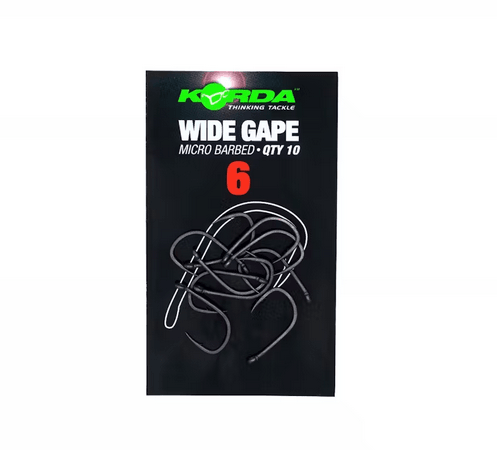
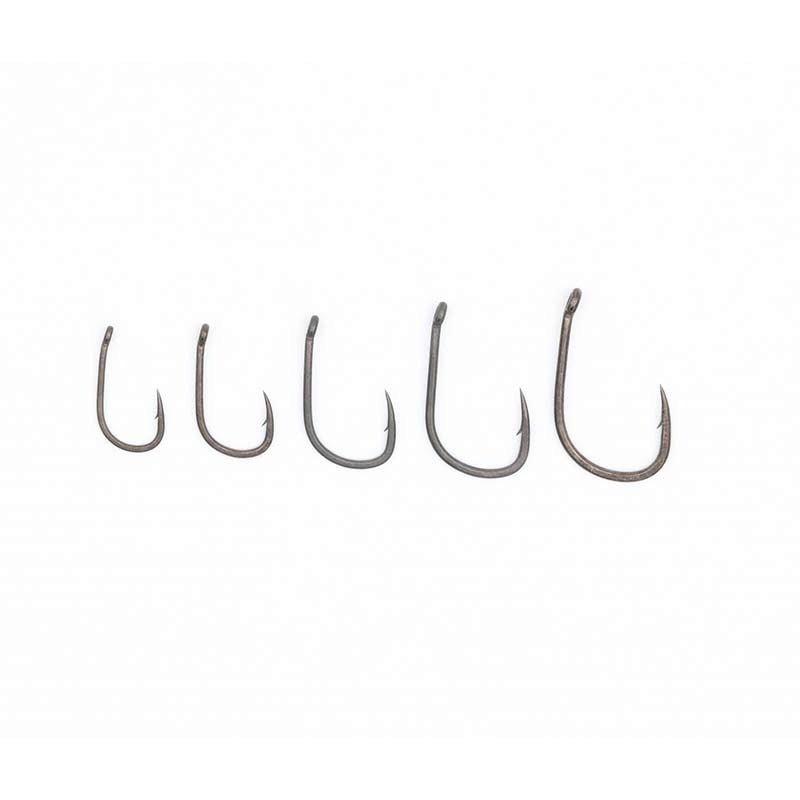
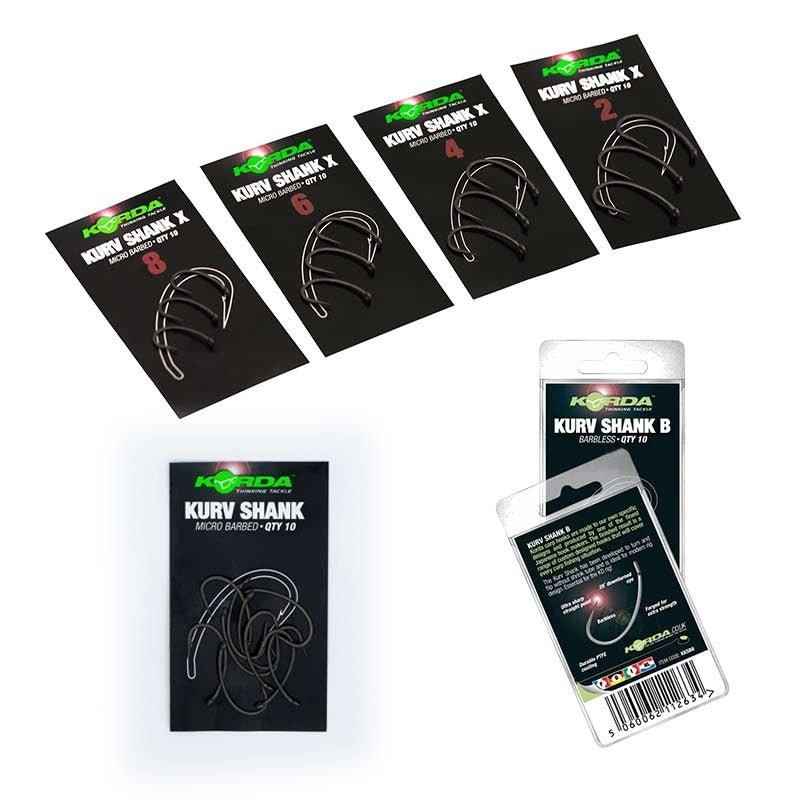
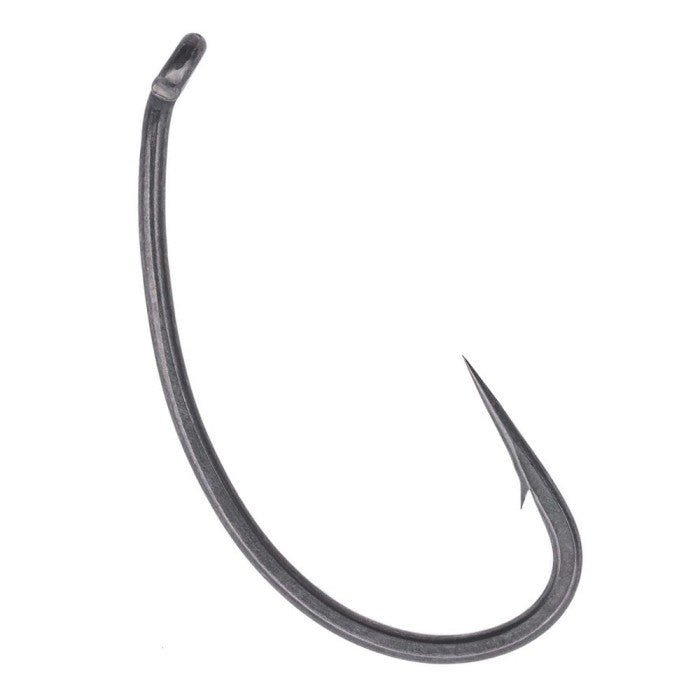
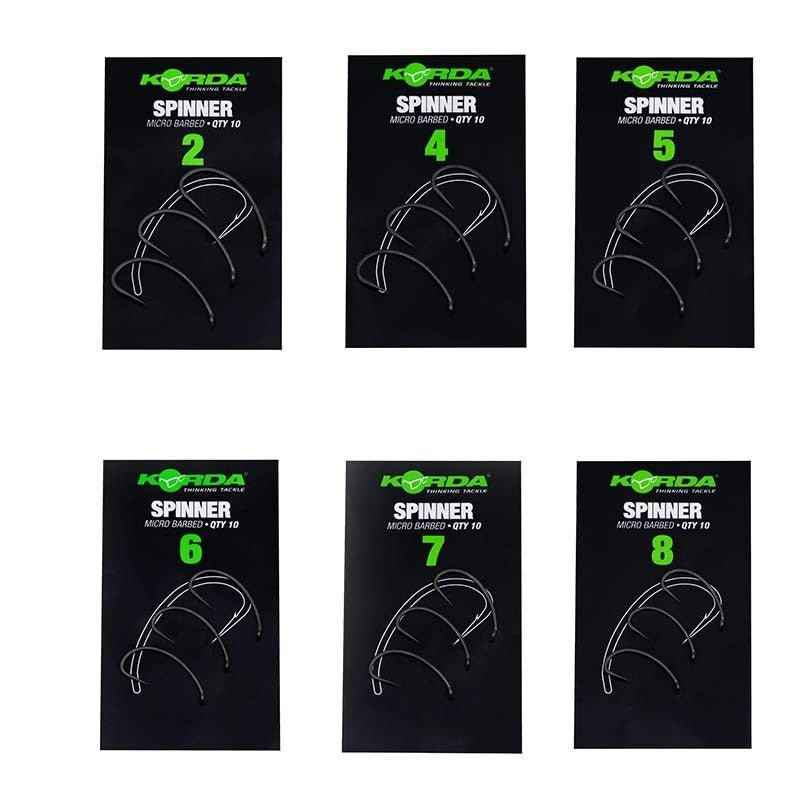
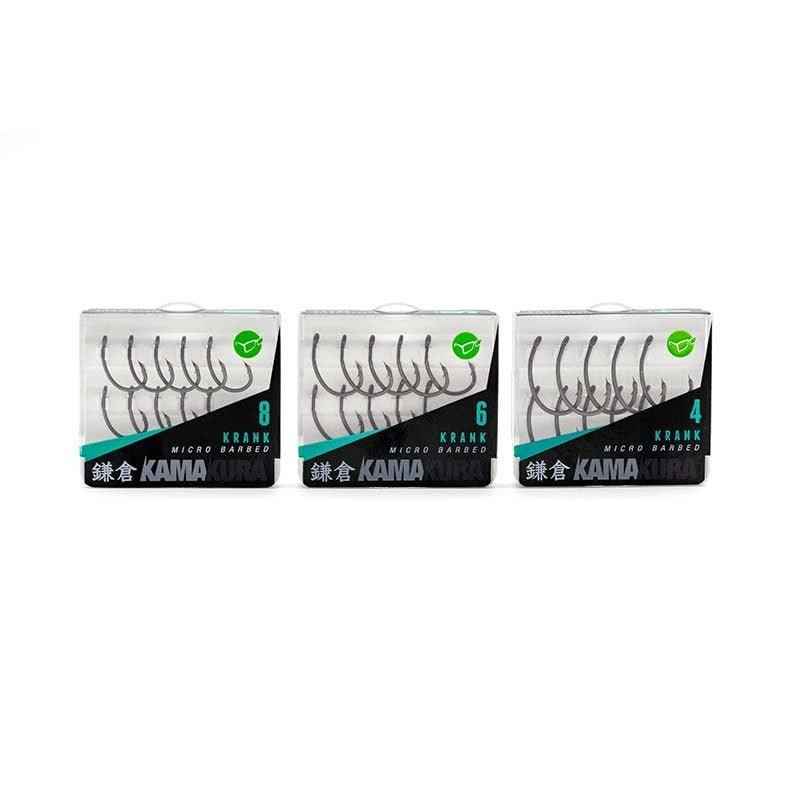
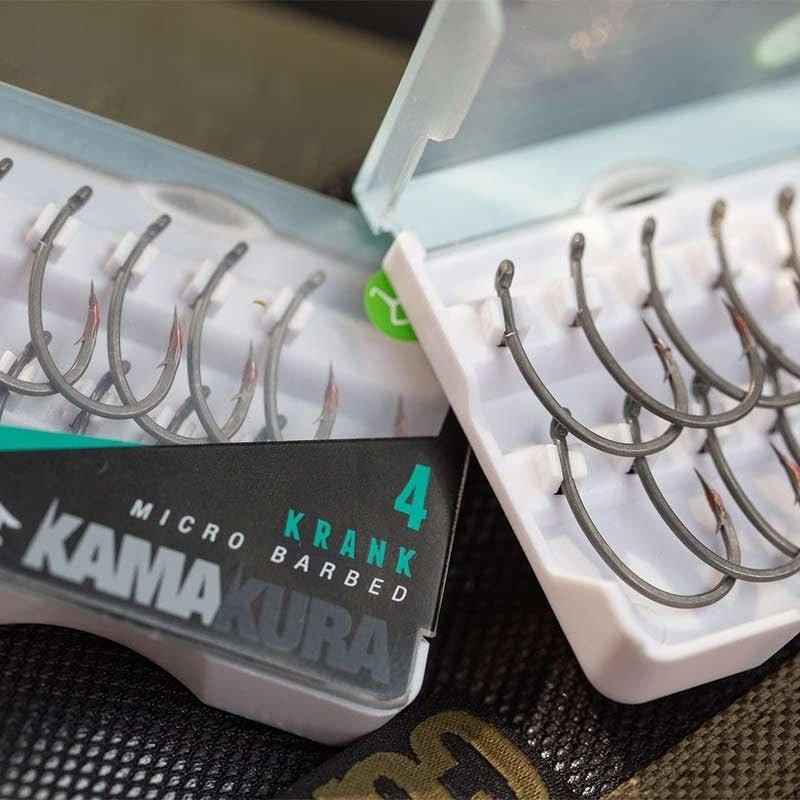
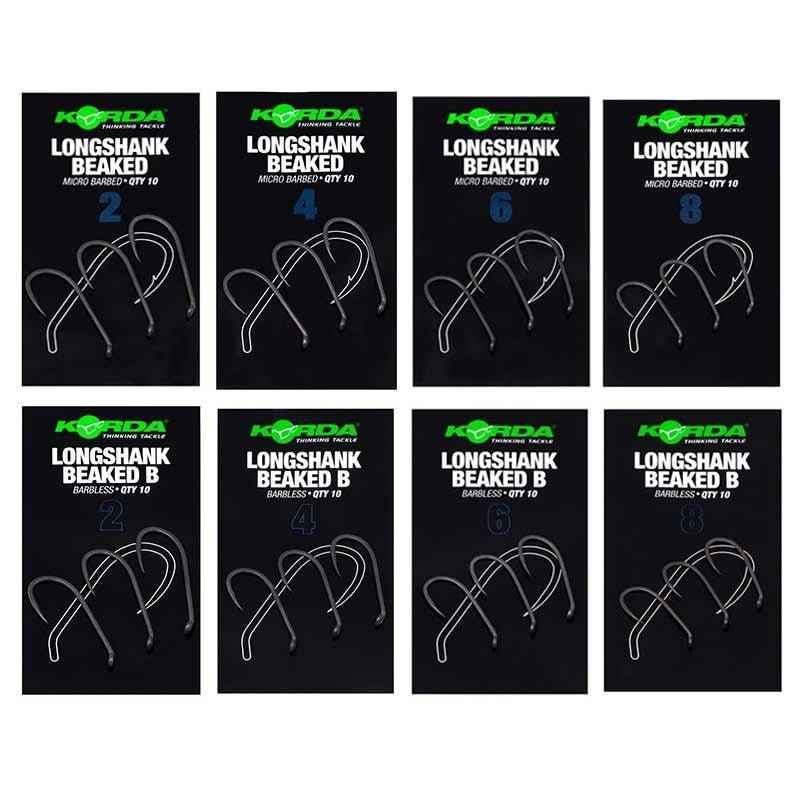
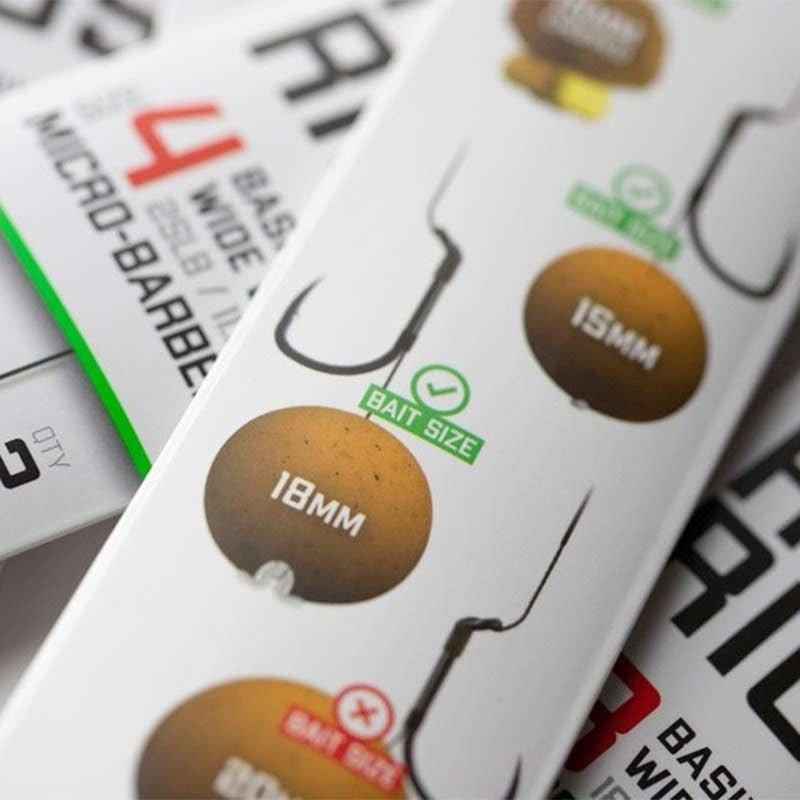
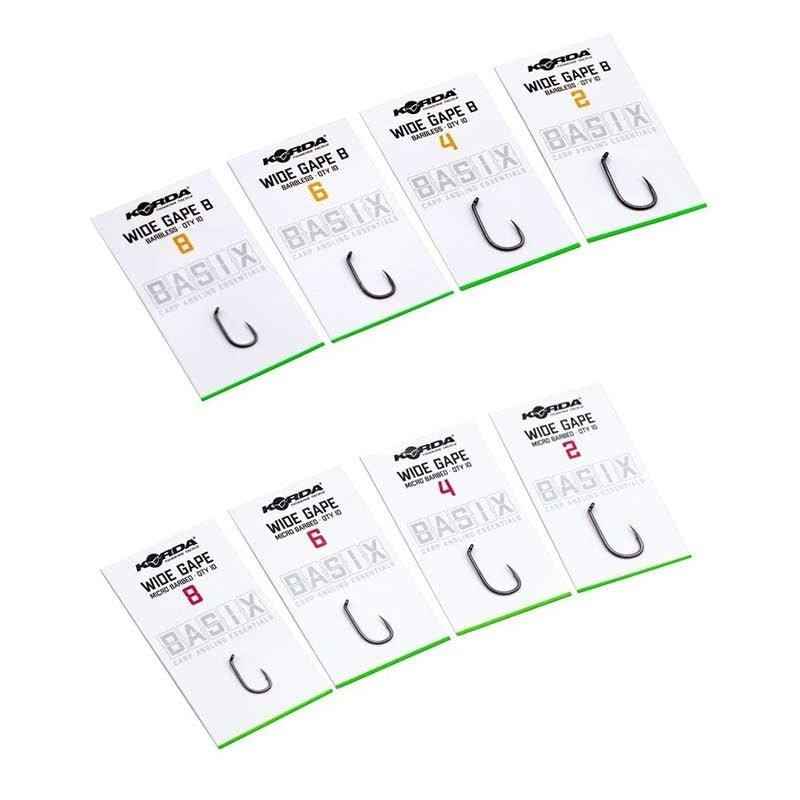
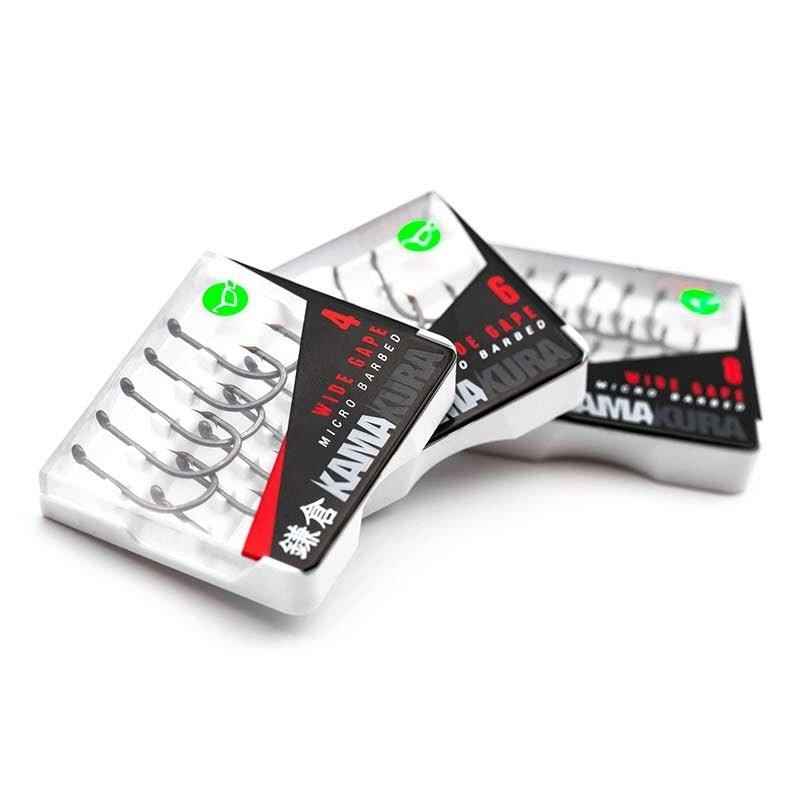
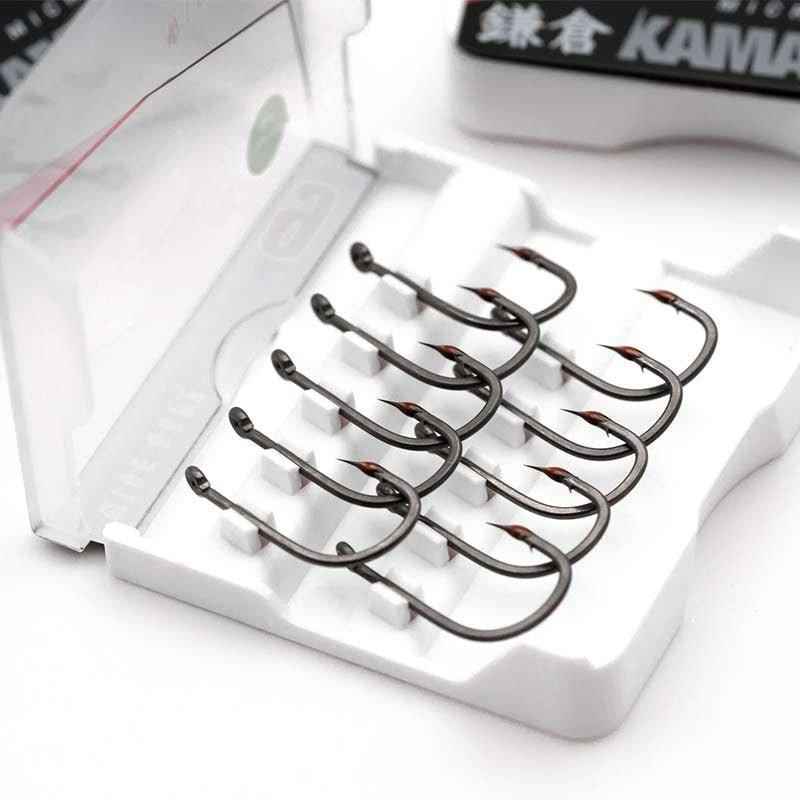
When I started using Korda Kamakura Wide Gape . It may seem like the usual sponsor thing, but it's not. I've always been a hook point fanatic: I spend time testing it on the skin of my hand, covered in tiny punctures at the end of a session.
At Burghfield, I lost several fish in a row using hooks I thought were good. Same rig , same presentation, same location… and yet the carp released themselves before I took off. That's when I realized the problem wasn't the rig itself, but the quality of the tip .
I'd had a little white Kamakura test box in my tackle box for months. I kept putting off trusting them, until, after yet another successful hook, I almost forced myself to try them. I remade the exact same rig I was using, without changing anything about the setup except the hook: Kamakura on all three leaders. The next 24 hours were pure controlled chaos: repeated starts, fights near snags, big fish on the rod... and this time, I didn't lose a single one.
At that moment I looked inside myself and said: “But why didn’t I put them together before?”.
From there, the decision was automatic: I called Korda and asked for a large supply. There was no point in going back. The wide-gape shape, which I've always loved for how it works in the carp's mouth, combined with a monstrously sharp point, has changed the way I trust the rig when I put the lead on the bottom.

Valentino:
If you were to talk to a novice carp angler, what are the two things that should never be missing in his tackle box?
Simon Scott:
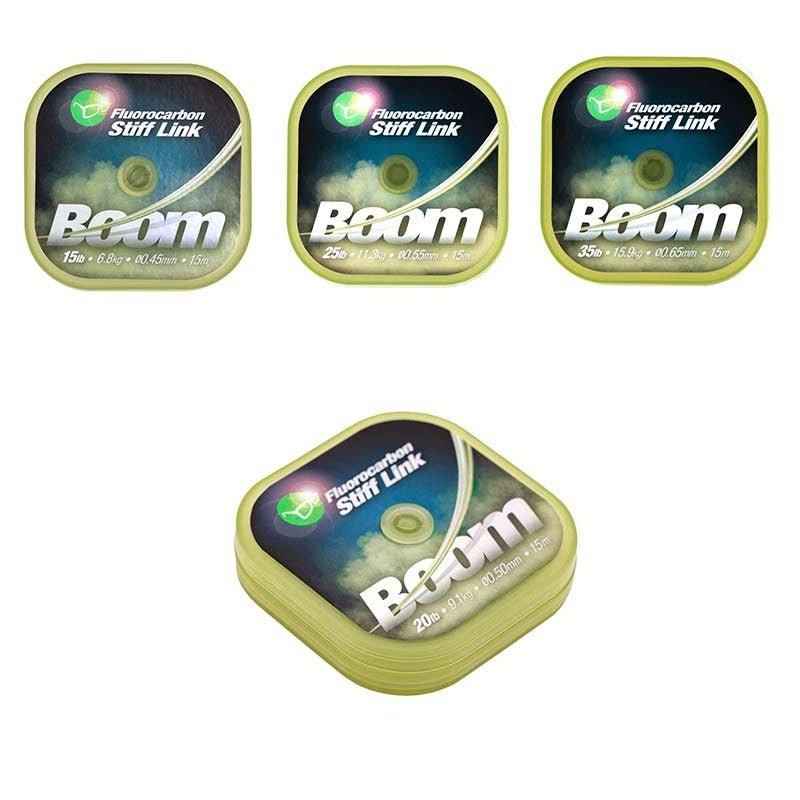
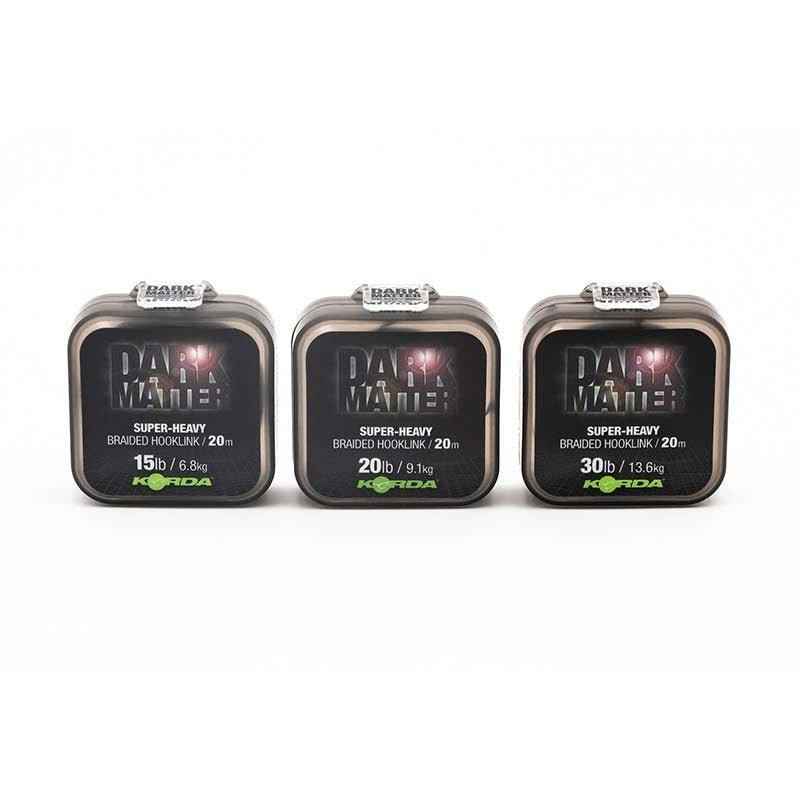
For me, the priorities, even today, are always the same: first of all, a frighteningly sharp hook , one of those that almost scare you when you run it over the skin of your hand; immediately after, a strong and reliable hooklink , whether nylon or braided, the important thing is that it is "serious", that it won't betray you at the crucial moment.
If the hook point fits where it's supposed to, and your line doesn't sag, you can even reel in a 20kg carp practically by hand, if you really have to. All your fishing, regardless of trends, hinges on those few centimeters of leader between you and the carp. The rest (bite indicators, pods, and other gadgets) comes later, just as a side dish. If you get the hook and leader wrong, you can have the most spectacular setup on the lake, but when the moment of truth comes, you're screwed.

Valentino:
Tell me in detail about the rig you use most often today.
Simon Scott:
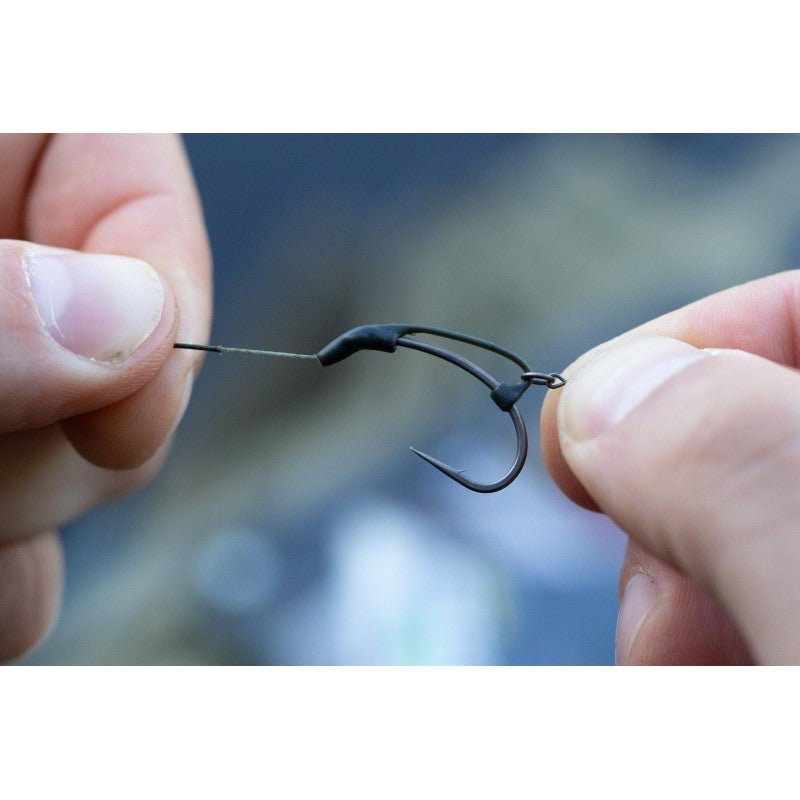
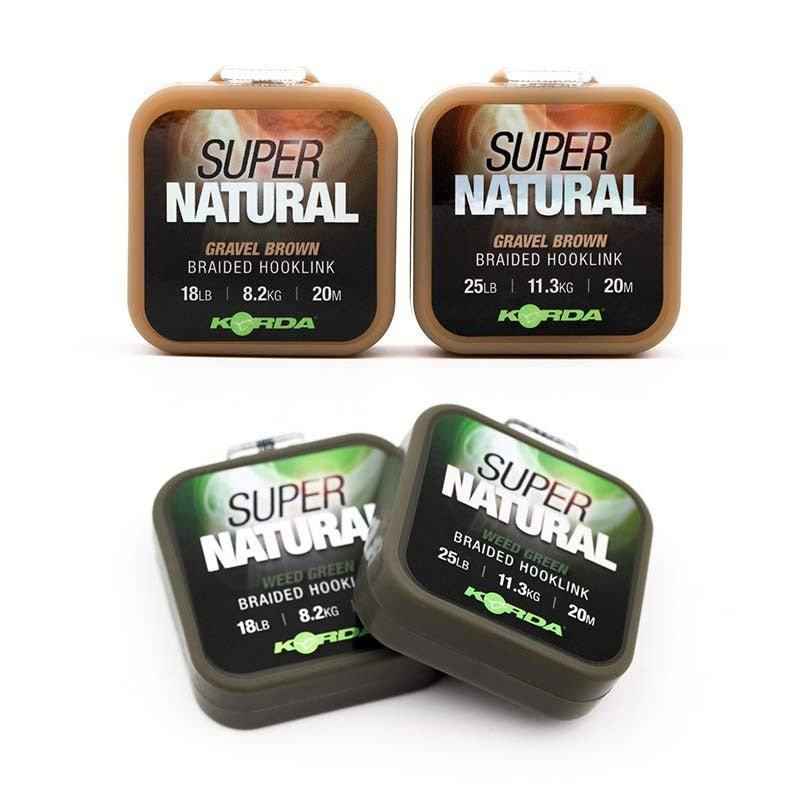
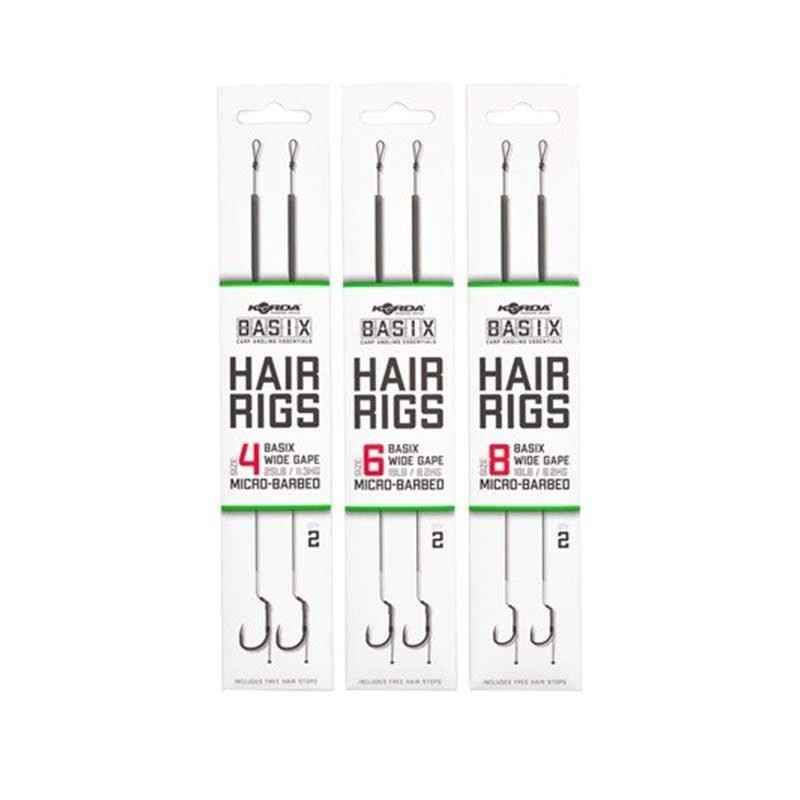
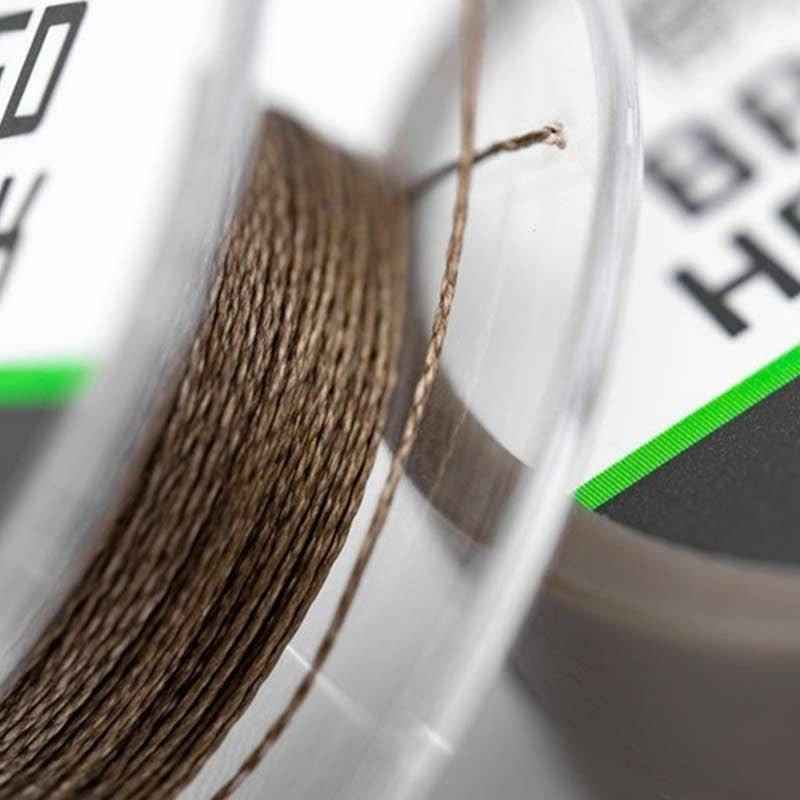
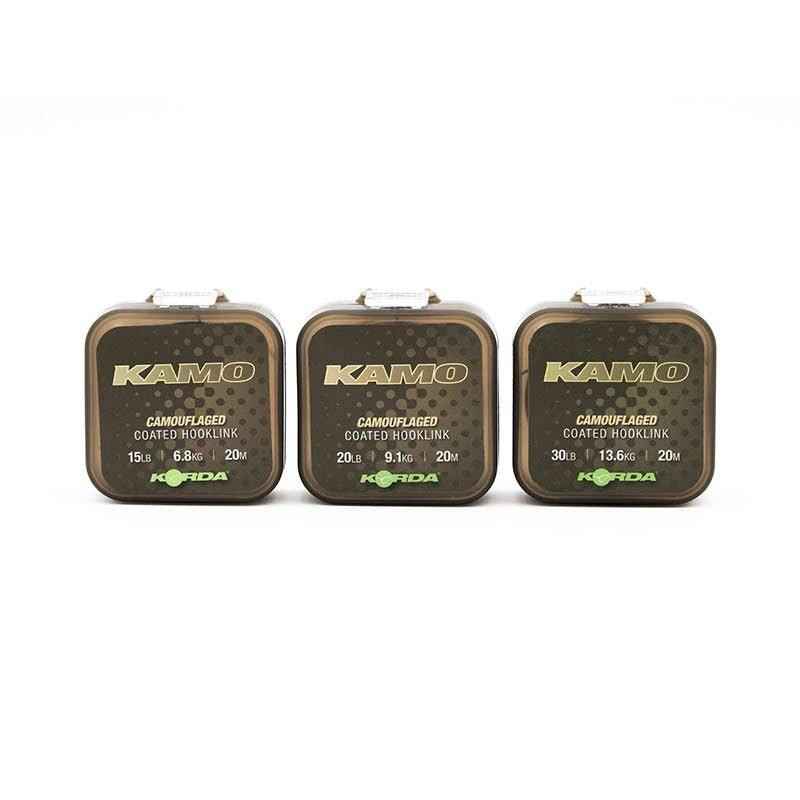
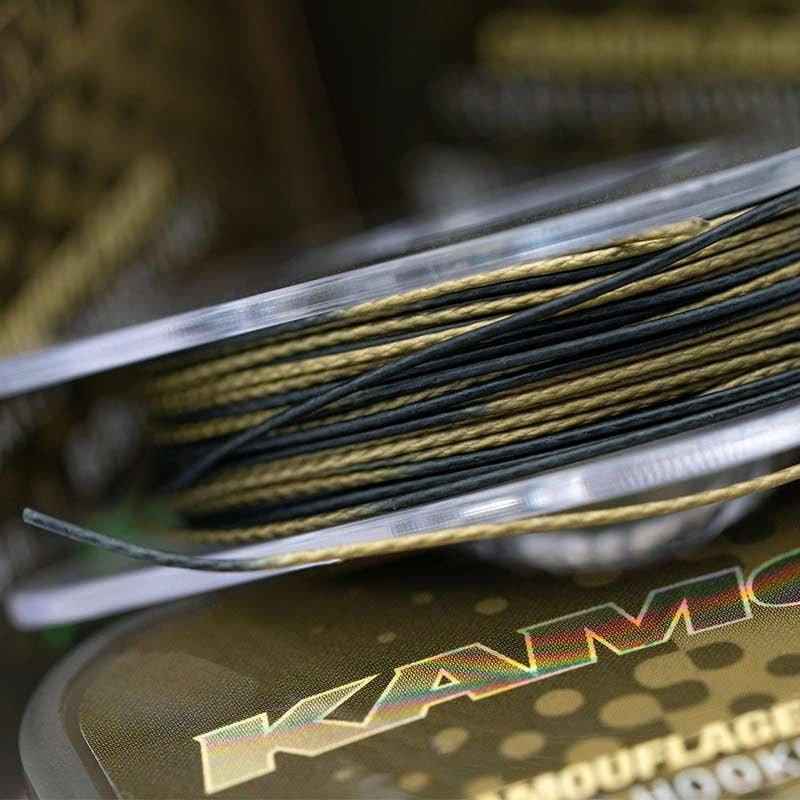
My rigs have changed a lot over the years. I've tried a bit of everything, but today the base of my rig is pretty well defined. I use a semi-stiff coated braid : I strip it only the last few centimeters, near the hook, so that I have a stiff section that helps with presentation and a looser section near the carp's mouth, where it needs freedom of movement.
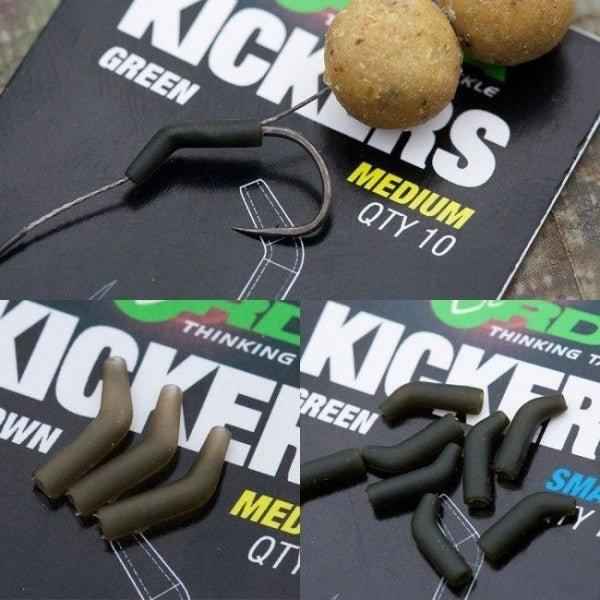
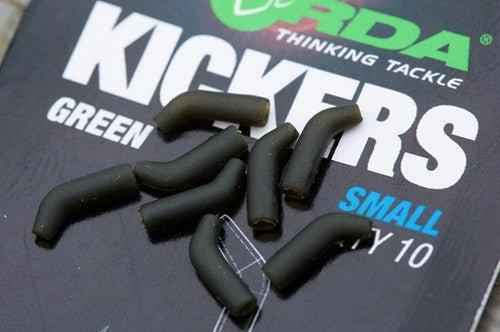
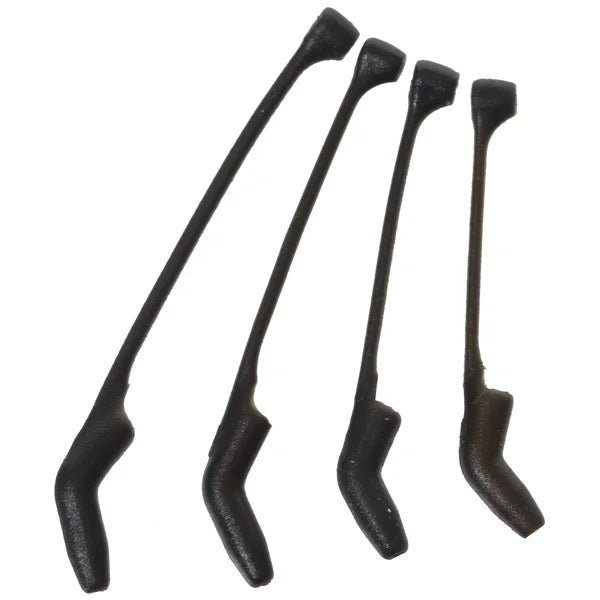
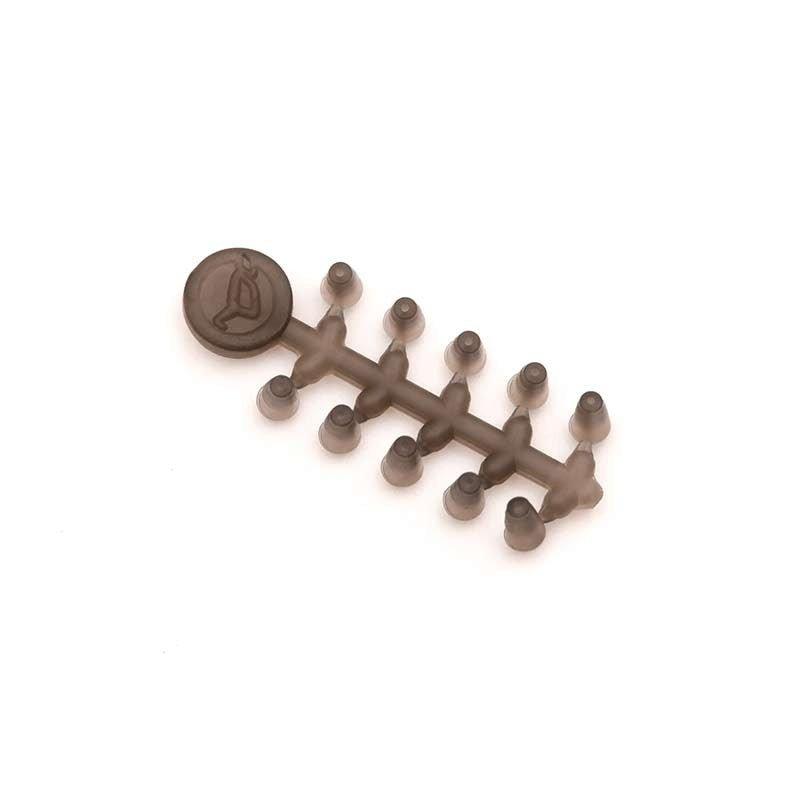
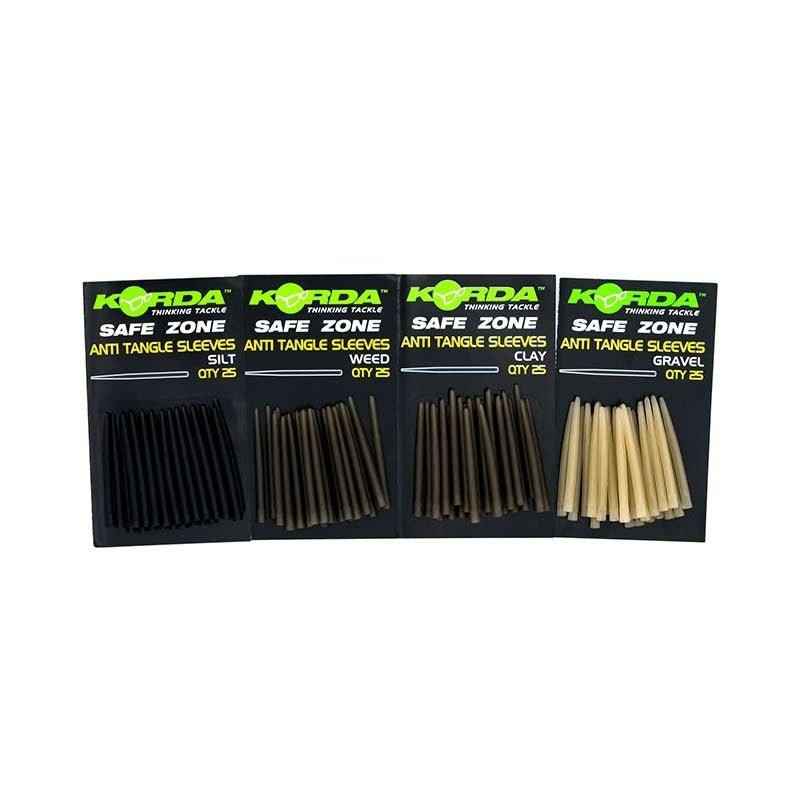
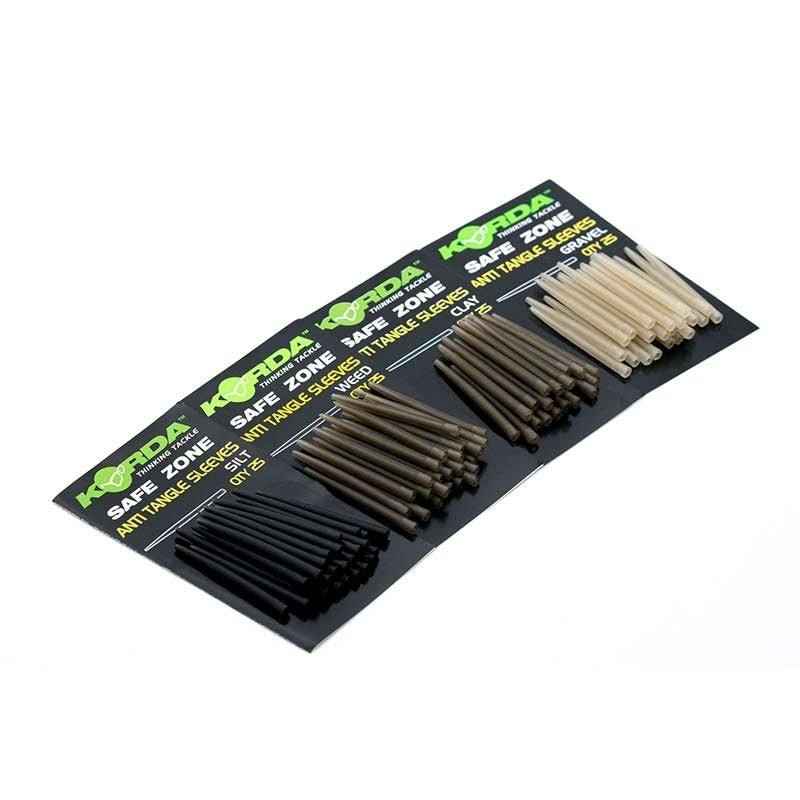
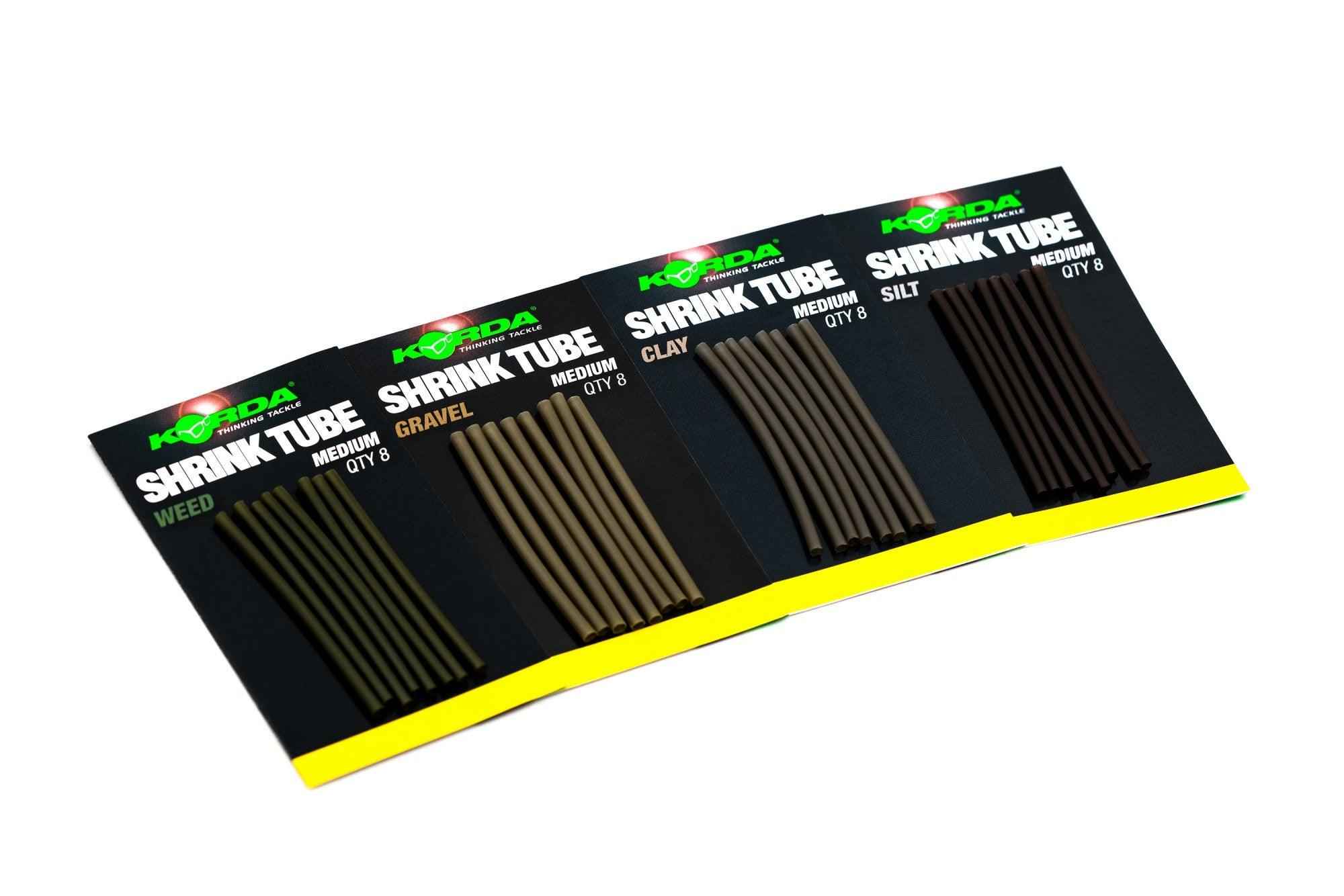
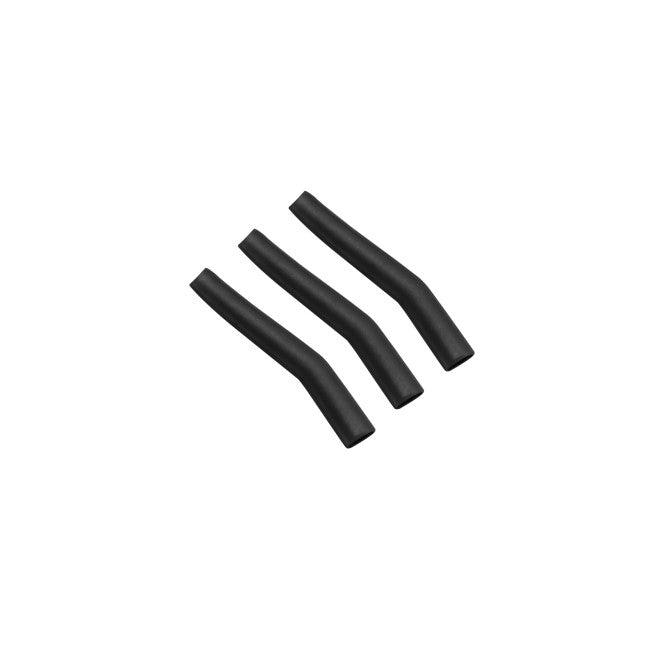
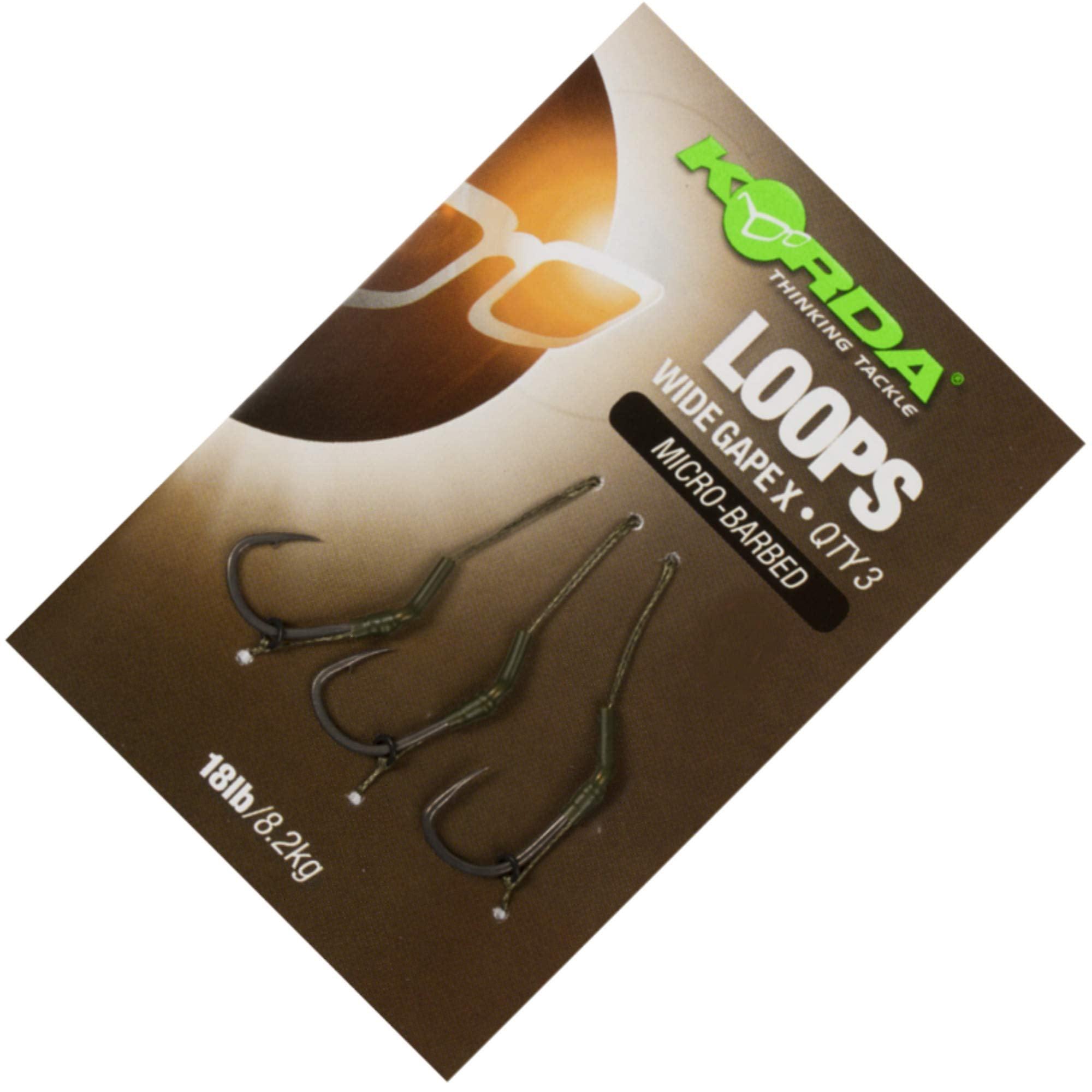
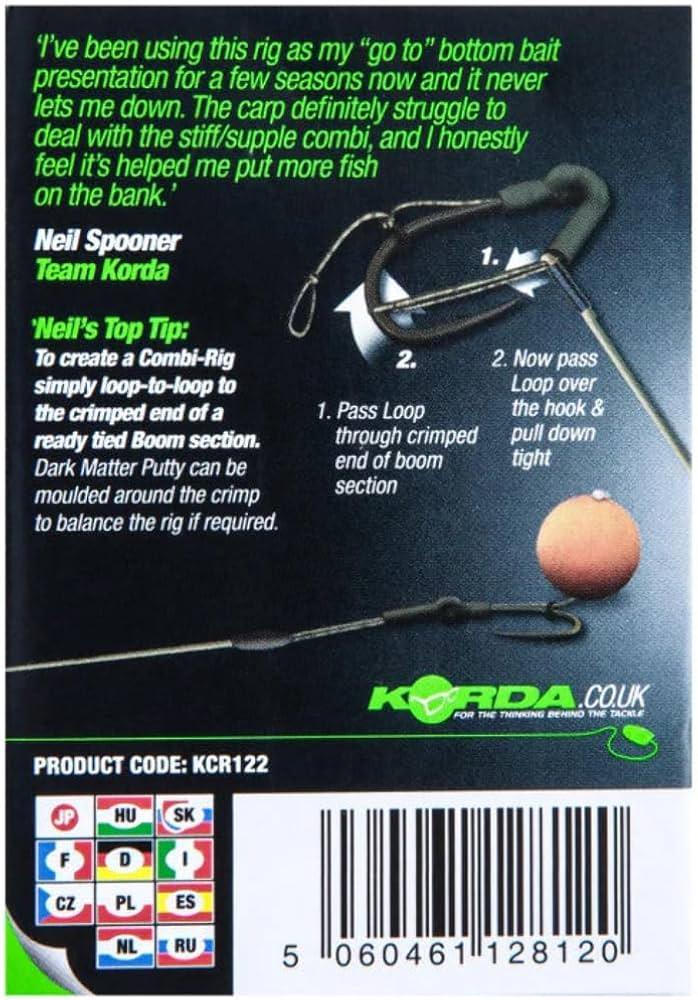
I create a long line-aligner-style extension on the hook shank using heat-shrink tubing. I don't overdo it; often half a tube is enough, just enough to create that gentle yet aggressive curve that makes the rig "twist" in the fish's mouth. I position the hair so that the hookbait is about 5–10 millimeters from the shank, a distance that, based on what I've seen in the water, allows the carp to naturally inhale the bait but also speeds up the moment the hook begins to work.
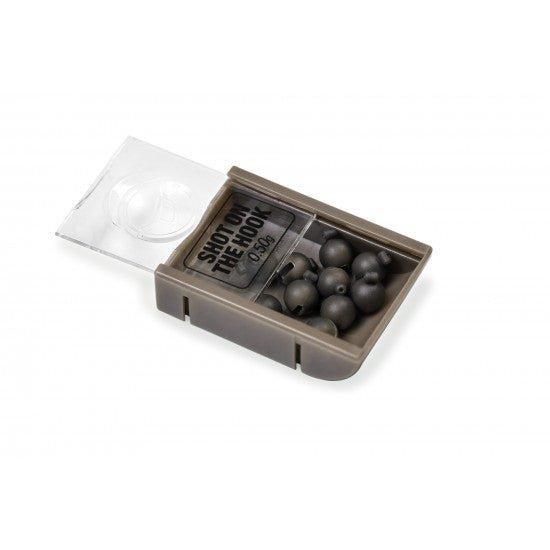
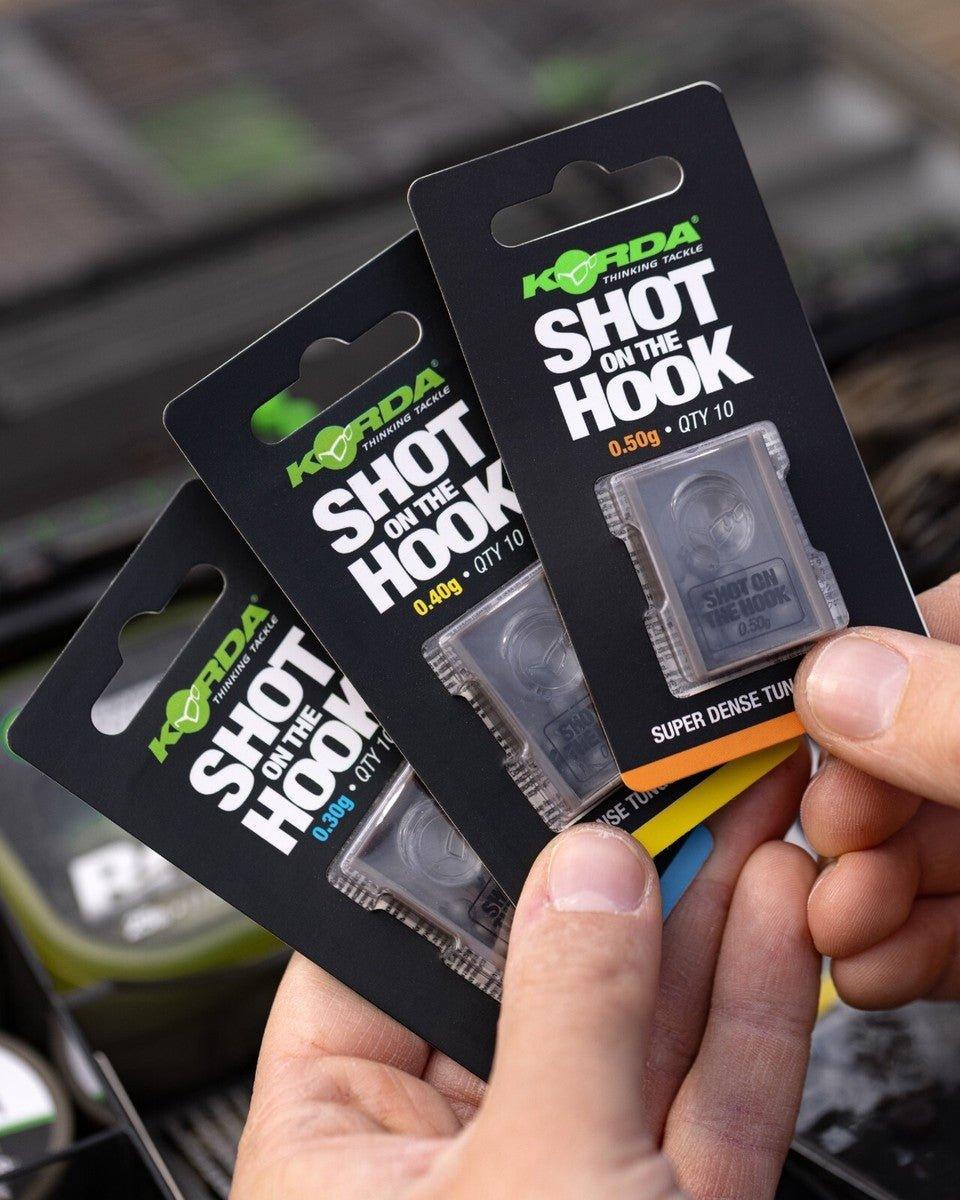
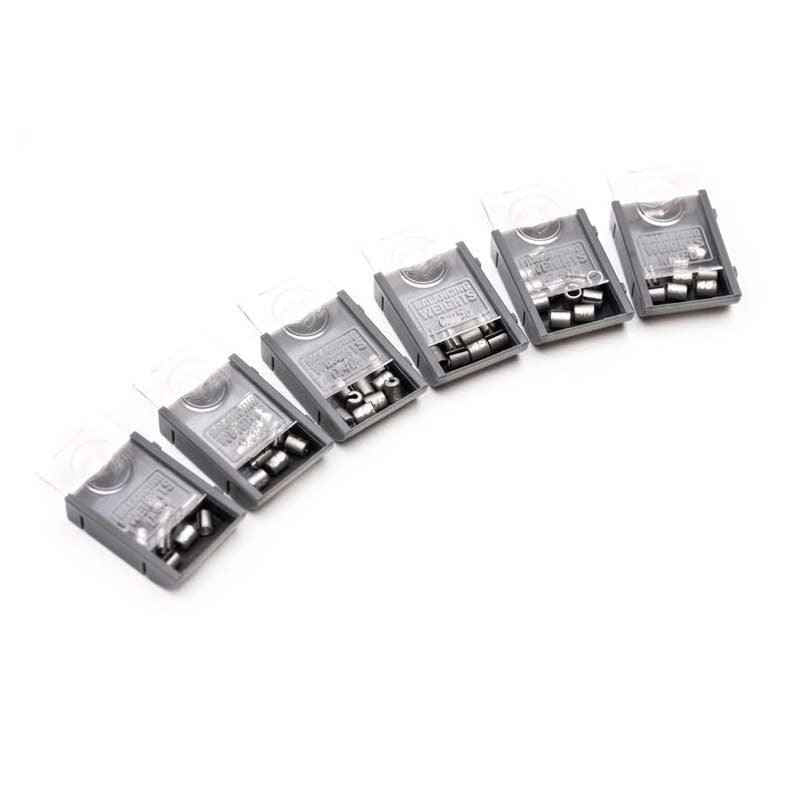
Just beyond the end of the tube, I place a nice ball of tungsten putty , 5–10mm deep, to add weight in the right place and ensure that the rig immediately turns in the carp’s mouth when it tries to spit.
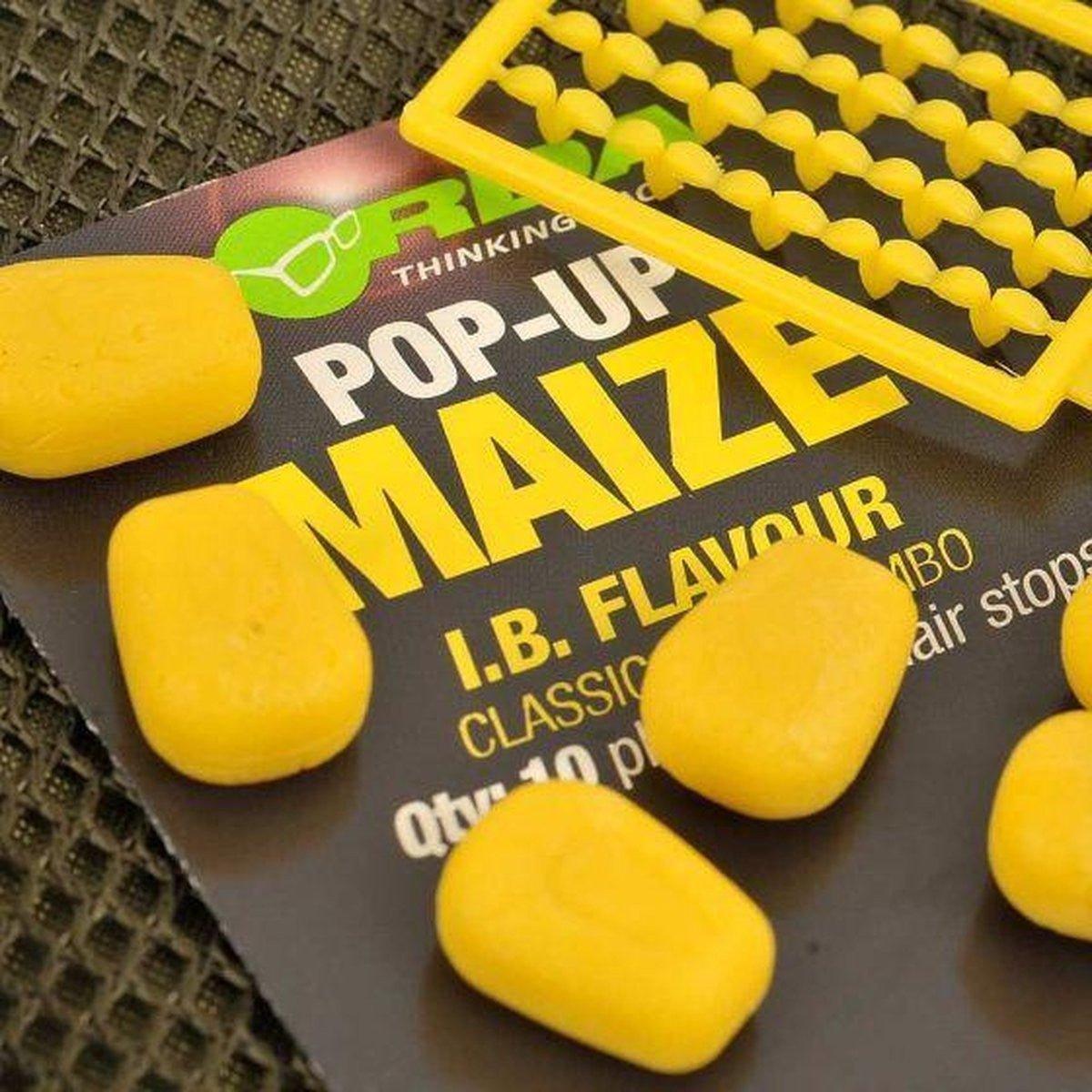
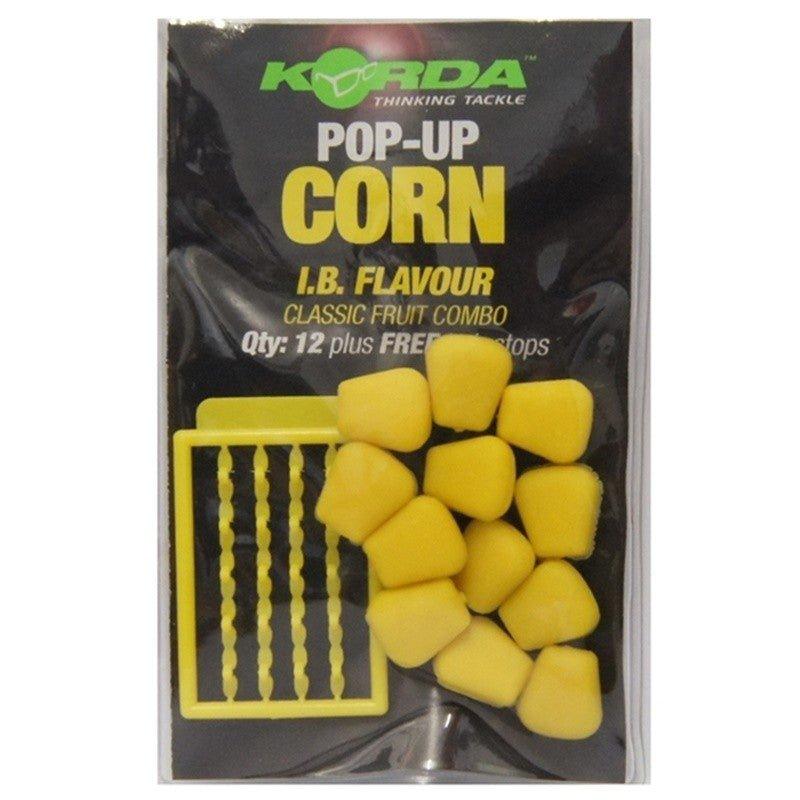
I use this setup with both bottom baits and pop-ups , changing only a few details like the length of the hair, the point where the line exits relative to the hook's bend, and small adjustments to the weight. However, the basic concept remains the same: it's an "old school" setup in terms of philosophy, but extremely clean and with a rotation mechanism that, in my opinion, is truly vicious when it comes into play in the carp's mouth.

Valentino:
Now I want to ask the €1,000,000 question. In the carp fishing world, everyone is looking for the "magic rig." Does it really exist?
Simon Scott:
No, there's no such thing as a wonder rig . Over the years I've seen carp suck in a bait, clearly sting themselves, shake their heads, and expel the whole thing, and they've done it with Chods , Ronnies , Hinged Stiffs , and whatever rigs were in fashion at the time.
The truth is, it's not the name of the rig that makes the difference. What matters is having a mechanically sound carp fishing rig, designed to flip and work well in the carp's mouth. What matters is pairing it with really sharp hooks , without compromise. And, above all, it's important to place this rig where the fish are actually feeding , not just where we think it's "cool" to drop the lead.
When you manage to create a competitive feeding situation, with multiple fish entering the same spot at once, it becomes much more difficult for them to calmly analyze, inhale, spit, and try again. But in crowded lakes, with a few big fish feeding slowly and carefully, they have all the time in the world to "read" your rig, realize something isn't right... and walk away as if nothing happened.

Valentino:
Do you feel like giving your readers some practical advice that will help them get the most out of their rigs and hardware, more in terms of strategy than technique?
Simon Scott:
Over the years I've spent watching carp in ponds and clear water, I've noticed one thing that keeps repeating itself: an incredible amount of feed comes before the fish even gets onto the full groundbait.
For this reason, I often like to fish with a single bait slightly off the baited spot , along the line from which I know (or deduce) the fish are coming. The more "inexperienced" carp enter the boilie mat with the idea of "filling up" as quickly as possible, but the big, clever fish often fool themselves with the single bait they encounter first along the way.
It's an approach that requires observation: you have to read the wakes, the bubbles, the surface movements, understand the direction of entry into the zone. But it is, in my opinion, one of the most intelligent uses you can make of your rigs and all the small parts available in carp fishing . It's not just a matter of having a rig that looks "nice" when you look at it in the palm of your hand: it's using that combination of details tactically, in the right spot on the lake, at the right time.

Valentino:
Simon, thank you so much for sharing this whole experience. These are the details that make all the difference, especially for those looking to upgrade their rigs and hardware.
Simon Scott:
Nice to meet you. If what I've learned over years of fishing can save someone a few unhooks and make them trust their hooks and rigs a little more, then it's worth it. Ultimately, we're all in the same boat: we just want to better understand how carp think... and catch a few more.
Want to test out Simon's favorite rig at your spot? Here's the hardware list that will help you build it:
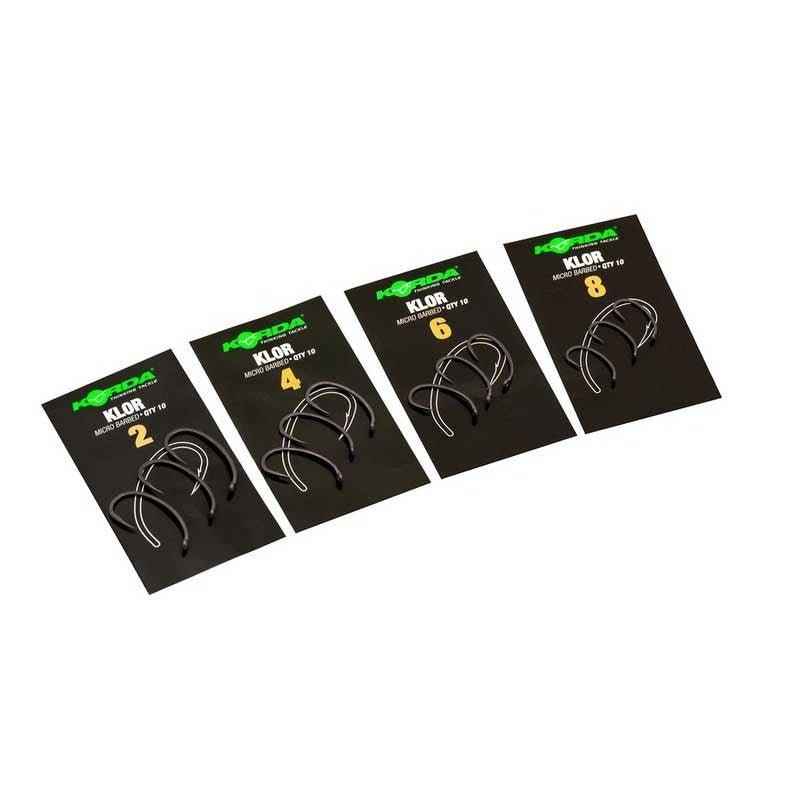
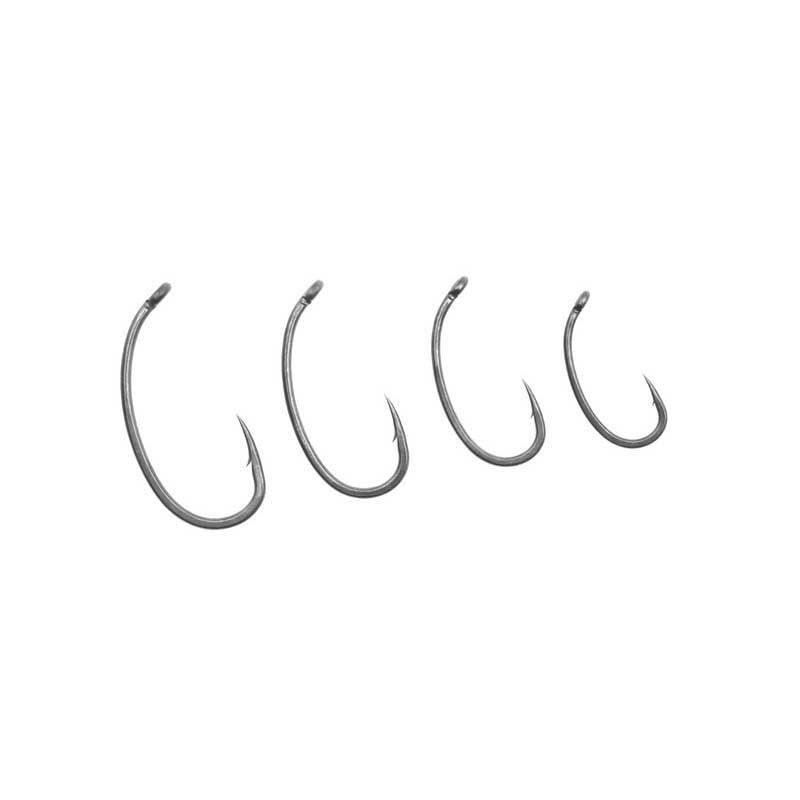
- I love Kamakura Wide Gape [CLICK HERE]
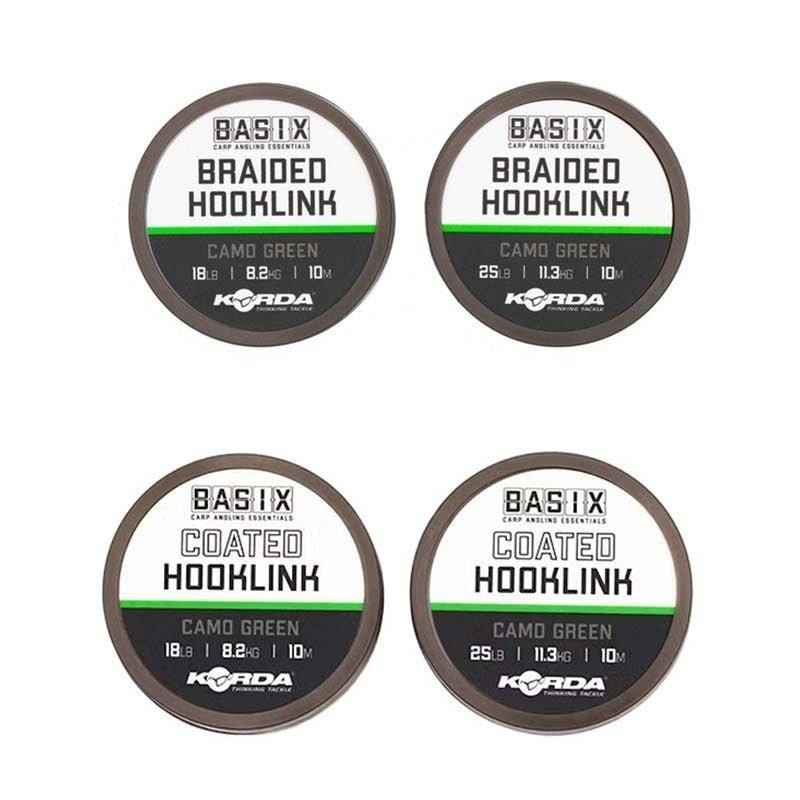
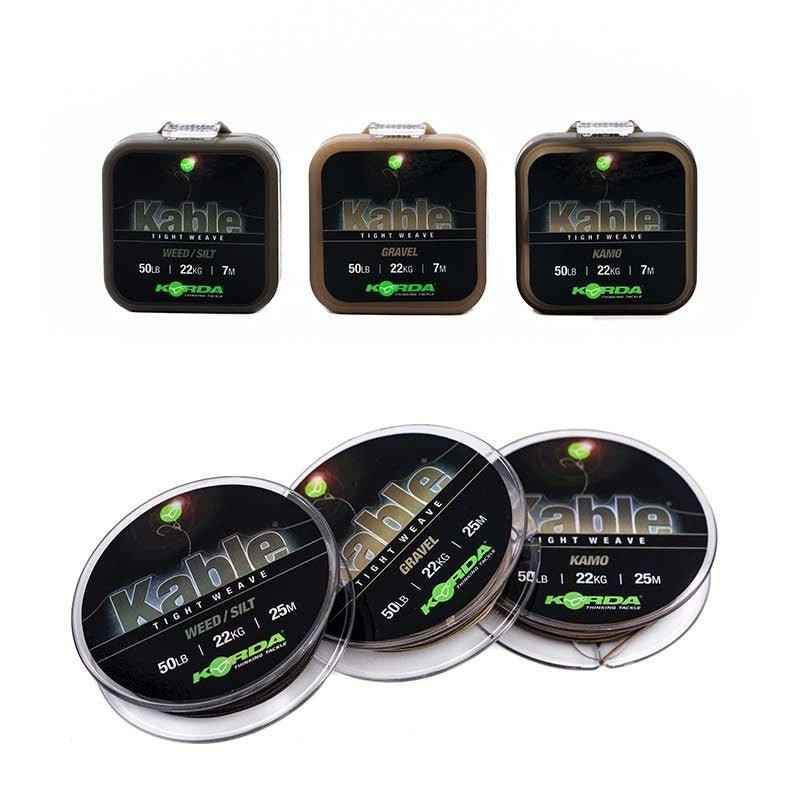
- Semi-rigid coated braid [CLICK HERE]
- Long tube already folded [CLICK HERE]
For any questions about building the terminal, please email me at hello@carpela.it
Until next time,
Valentino (super sharp) by Carpela