
Let's be clear: the carp doesn't "win" because it's an evil genius. It wins because you, without realizing it, leave a door open for it. And that door almost always has a simple name: leverage.
Yes, carp angler, the problem of whether something goes well or badly, whether a carp enters the landing net or is unhooked 10 cm before it enters, is always yours. If you don't accept that bad luck doesn't exist, only obsessive attention to detail and a lot of practice, you'd better stop reading this article. You'd just break out in hives.
Let's get back to the problem, imagining a scene you know very well: a lightning-fast start, the reel spinning wildly, a solid strike... then two headbutts, the line losing tension, and suddenly, nothing. Again, it's not bad luck: it's physics. The fish has found a point to apply pressure on and has used the lead as an ally to free itself from the hook.
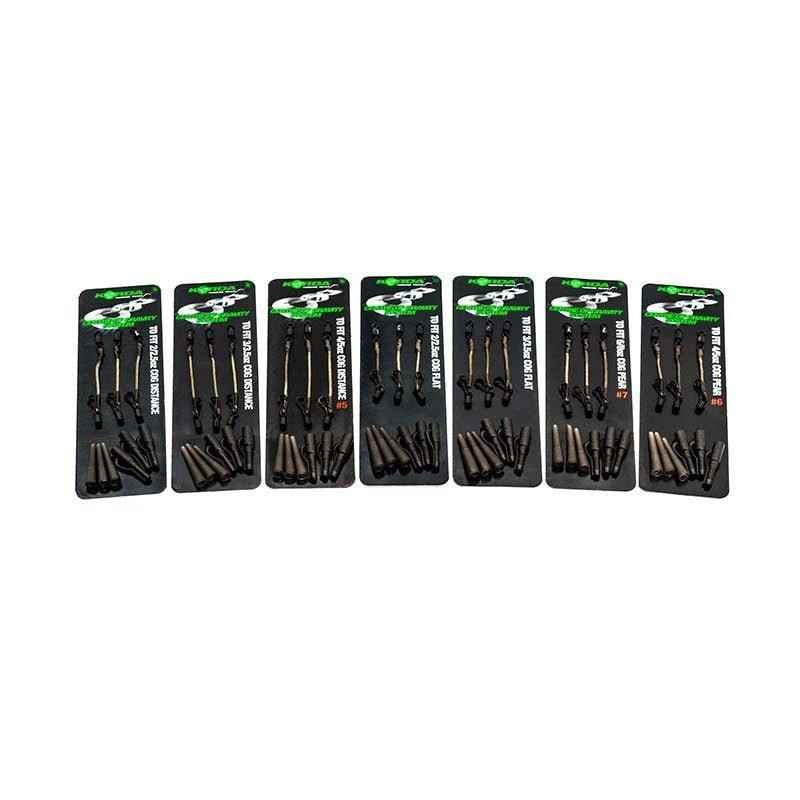
The Central Shocker Grippa System was created to reduce this possibility: first it gives you a very “clear” automatic strike, then it removes the leverage point that often causes everything to fall apart.

Let's take a closer look, with all the calm of a Tibetan monk, without the performance anxiety you experience on the lake. The concept, in two words: constant weight and zero leverage.
This system plays on two ideas:
- Weight always “centered”: the fish, from whichever side it takes the bait, receives the maximum resistance of the lead.
- After the strike, the lead ceases to be a handle: once the fish is hooked, the lead can slide and no longer offers that fixed point that helps the hook to be unhooked.
If you already fish with semi-fixed systems (well set up), you immediately understand where this is going: same philosophy, but with even “cleaner” mechanics.
1) What's in the pack (and why it's made with the head)
The first thing you appreciate about this product is its practicality.
Because the truth is, we carp anglers are romantics… until our hands are frozen in November and we have to redo a rig with the wind in our faces.
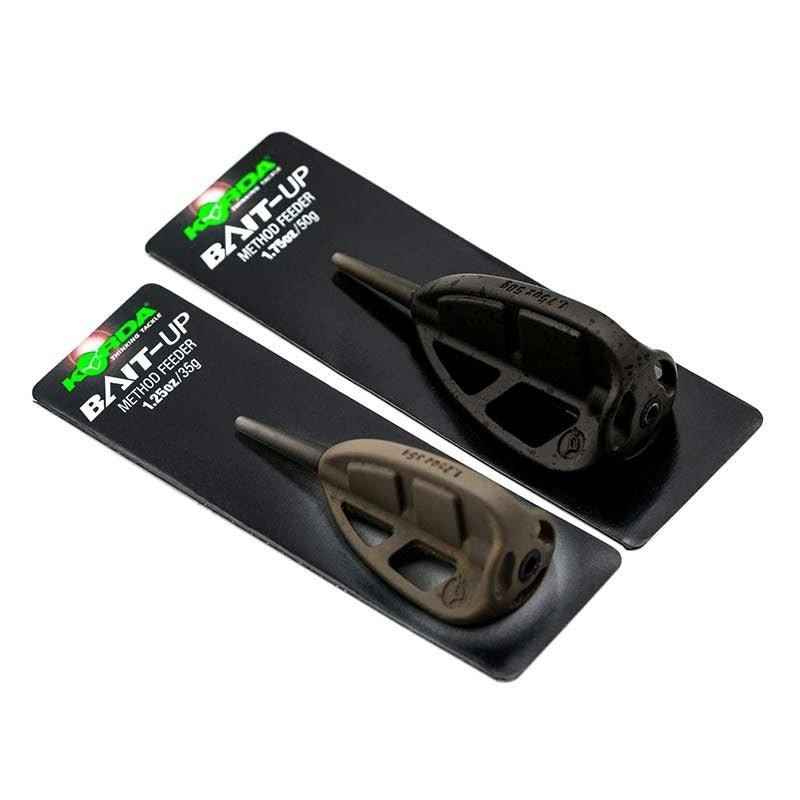
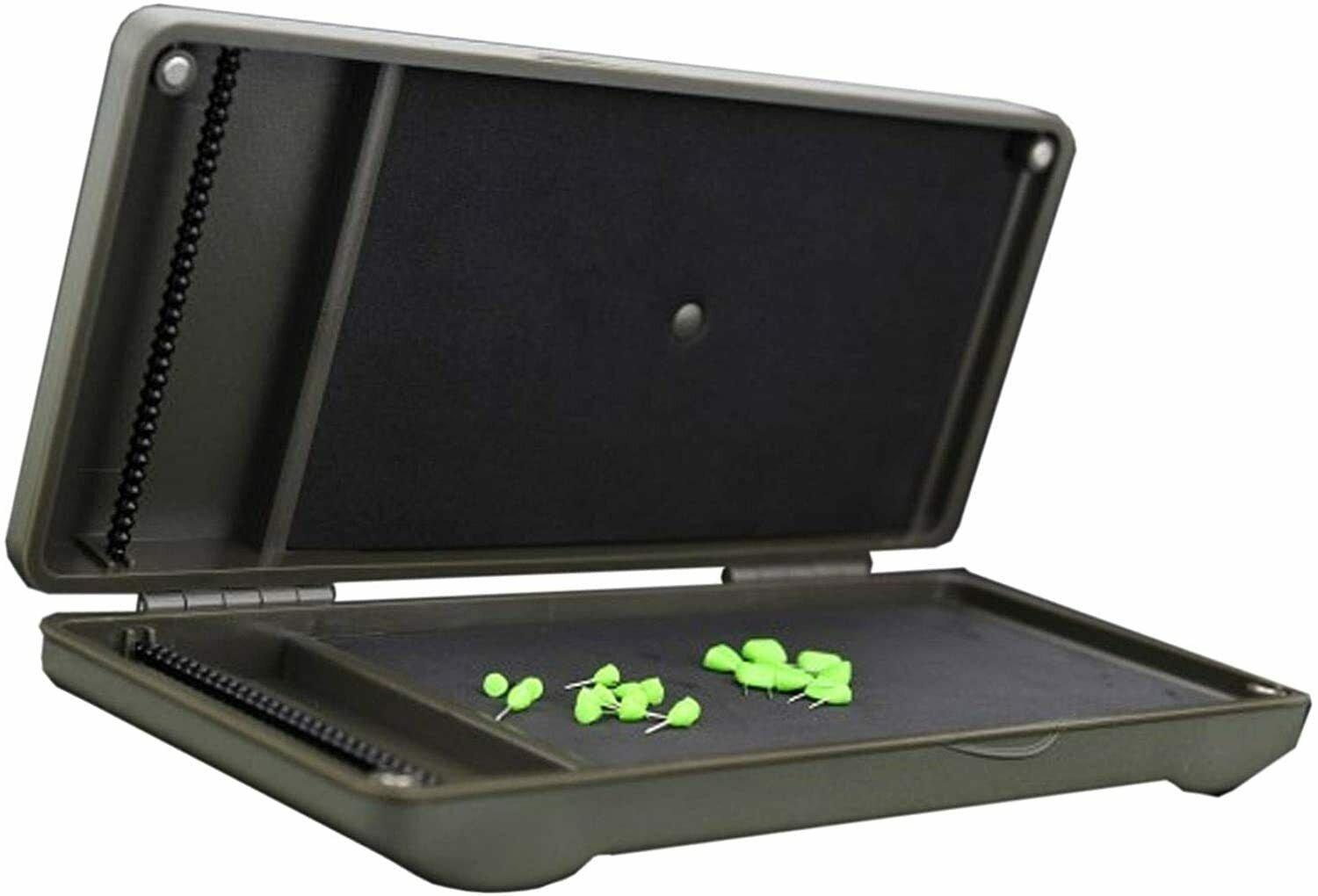
The pack is designed to be ready to use, really. It comes in a kind of rigid, compact holder that you can keep in your tackle box as if it were a "case," not just a package.
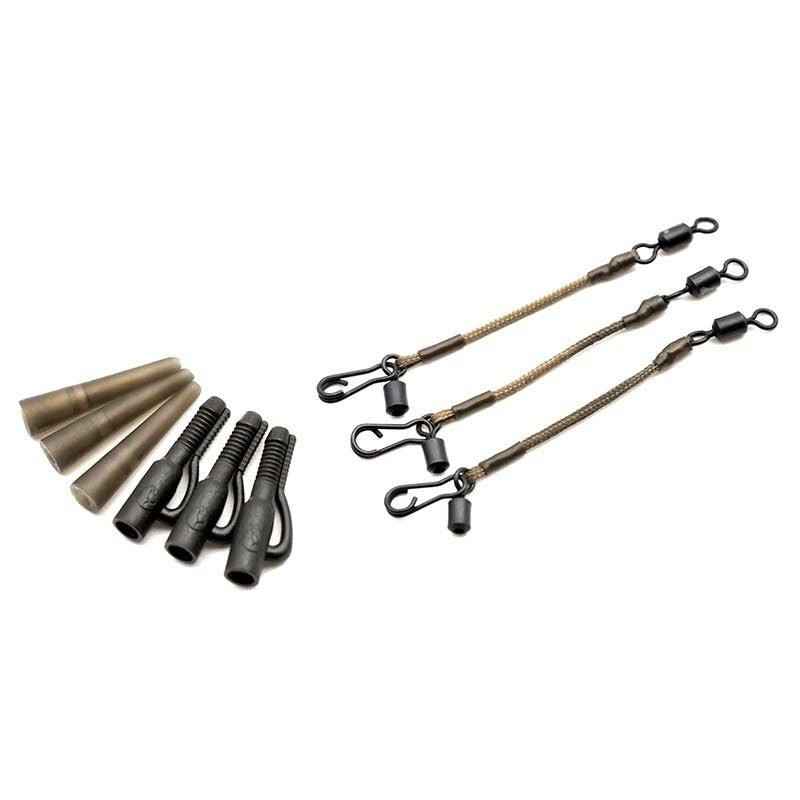
Inside you have:
- the leader already prepared (about one meter);
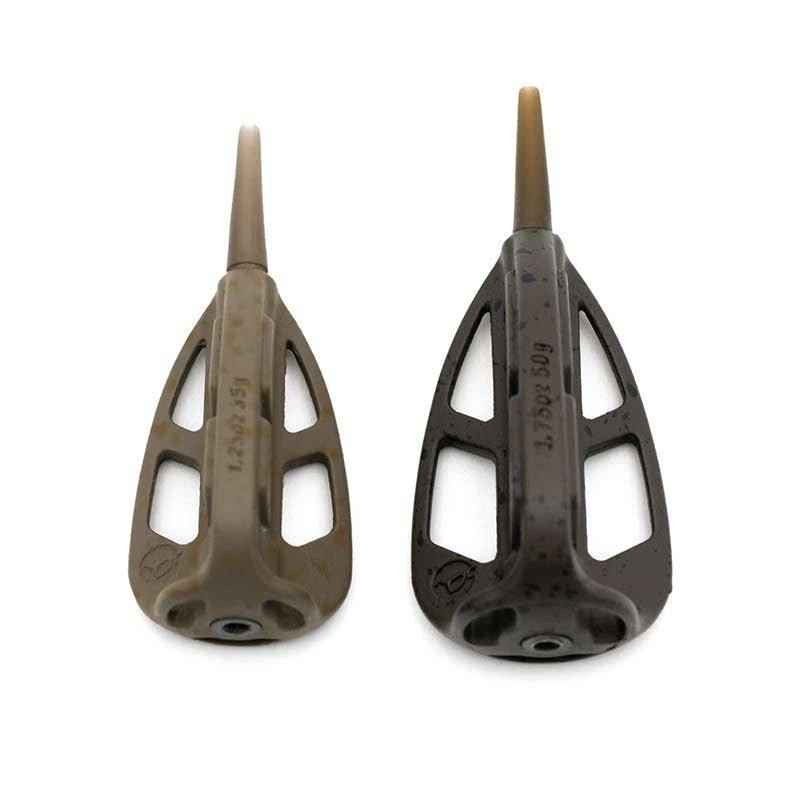
- the lead in the chosen weight;
- the system already “in order”, blocked by a small pin.

The beauty is what happens at the end of the session: if you want, you can put it back exactly as it was, rewind the leader, reinsert the pin, and put it away. Next time you don't have to "rebuild," you just have to fish.
And in a world where time is often wasted on a thousand useless details, this is a smart choice: it helps you be consistent, and consistency catches more than many magic spells.
2) Why is it called “Central”: the weight always works, not “halfway”
When a system is "centralized," it means the weight of the lead (the center of gravity) doesn't depend on how the carp takes the bait. Whether it takes it from the side, on the tip, or turns, the weight it experiences is always just right.

This, in practice, reduces that classic "soft catch" effect where the fish barely feels the bite and leaves you with only a light bite or a limp start. The idea here is: if it starts, it starts for real. And if it starts for real, an automatic strike becomes more likely.
It's not a magic wand: if you fish with dull hooks or a poorly designed rig, you can even have a spaceship and it won't change anything. However, it's a system that, if everything else is consistent, increases the percentage of clean hooks.
3) The “Shocker” part: first self-ferrata, then free sliding
Here we come to the heart of the system.
Initially, the system offers controlled resistance: when the carp moves the bait and takes off, it immediately encounters the weight of the lead. This is often the moment where everything is decided: either the hook penetrates well, or you're entering that gray zone where it "looks" hooked but isn't.
Then the second important thing happens: with the headbutts and movements, the lead can break free and start flowing along the leader (and, if necessary, even beyond).

Why is this so interesting?
Because when the lead is fixed, it becomes a point on which the fish can apply pressure. It's like a handle: it shakes, it acts as leverage, and if the hook isn't set perfectly or if the lip is hard, sooner or later something gives way.
When the lead can slide, however, that fixed point disappears. And without a fixed point, the fish has less "mechanism" to free itself.
Simply put: first the lead helps you set the hook, then it stops helping the carp spit it out.
4) More obvious bite indication: when you "see better" what happens
Another "positive" side effect is the reading of touch and movement.
I won't go into a physics lesson, but the gist of it is this: with the line positioned in a certain way in the system, some of the carp's movements can be more evident on the rod and the indicator.
And here's a practical advantage that we often underestimate: when you understand what the fish is doing first (true start, slow movement, return), you move better.
You don't do via ferratas in advance, you don't create unnecessary tension, you don't rush.
It may seem like a small thing, but how many hooks are lost because, instead of reeling in the reel, we strike when the carp is coming back towards us?

5) Fish safety: the serious matter, not the footnote
Safety isn't a paragraph "to be added because you have to." It's a selection criterion.
In the event of a breakage (which can happen to anyone, even those who "never break" memes), the idea is that the fish doesn't have the lead hanging from its lip, like a magician trying to hypnotize you. The lead needs to be able to slide, allowing the carp to free itself.
But I want to make it clear here: the security of the system also depends on how you combine it.
If you add a huge knot or a fixed bead, you're sabotaging everything. The system must remain fluid. And if it doesn't, it's no longer as "secure" as it should be.
When I would use it (and when I wouldn't)
I would use it when:
- I'm fishing in waters where the fish are stressed and suspicious, and I need a more "decisive" strike;
- I've noticed that the snatches often come in the early stages of the bite (classic: it turns, leverages, and waves goodbye);
- I want a practical system that I can keep ready, without having to redo everything every time.
I would think twice when:
- you are someone who wants to lose the lead “by default” in many situations (here the concept is to keep it, not give it away to the lake);
- you fish in spots where you need ultra-specific setups and want to control every single detail in a maniacal way (it's not a flaw, it's just a different approach).

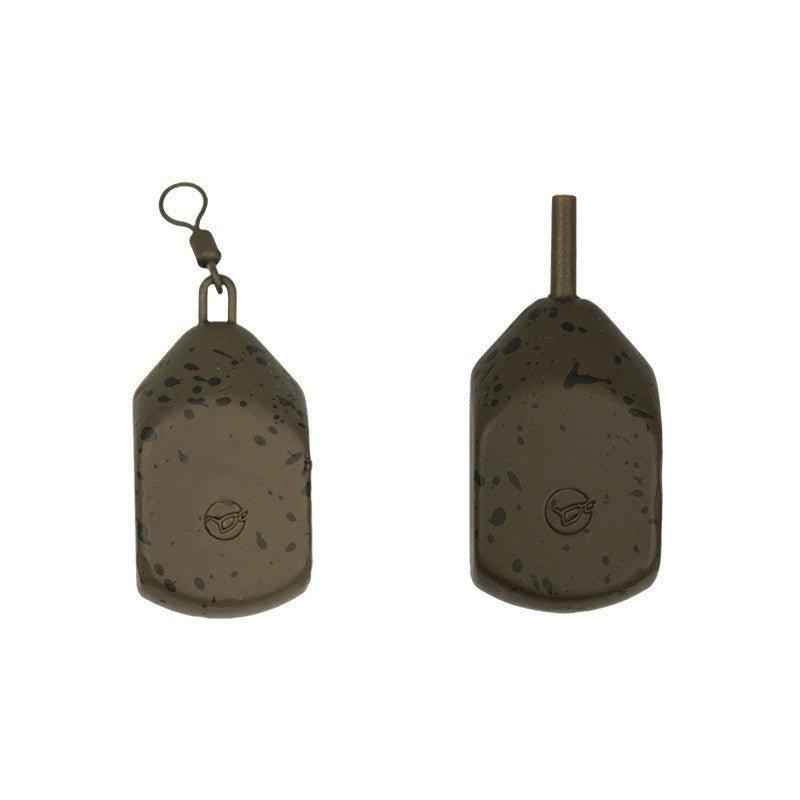
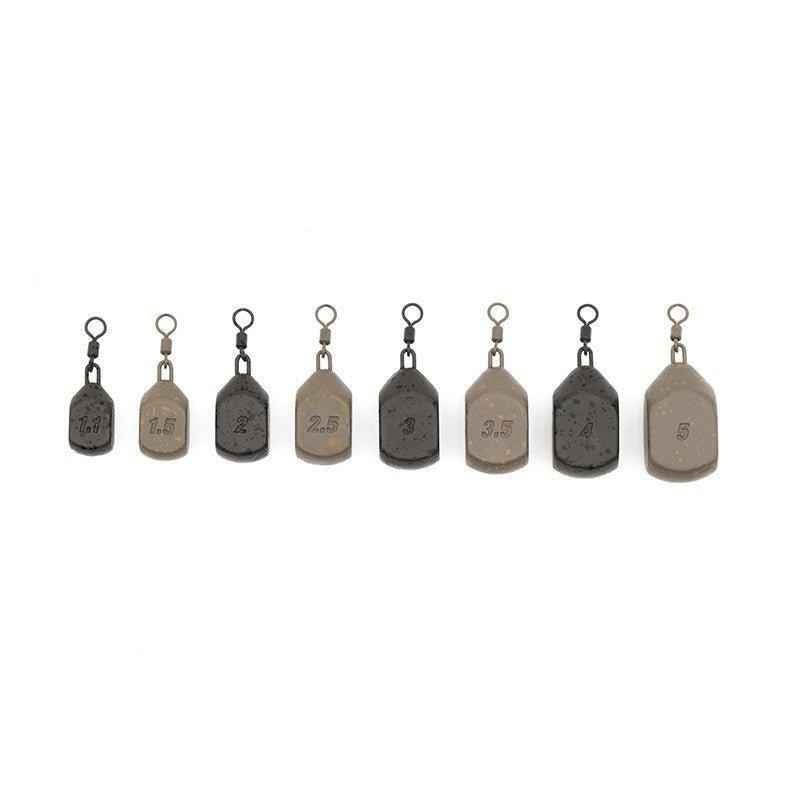
The Central Shocker Grippa System is available in different weights and in two colors:
Bottom line: Am I telling you that with the Central Shocker Grippa System you'll never unhook a carp again? No, it's not "the secret of champions." But it's more interesting than that: it's a system that applies logic and mechanics where we often put superstition.
If your problem is "too many via ferratas, but too many unhooks", here the promise is clear:
- clearer automatic ferrata at the beginning,
- less leverage during combat,
- sliding designed to reduce the risk in case of breakage.
And in carp fishing, taking away the lever from the carp is like taking away the sword from a samurai: suddenly, the game changes.
Valentino (permanent center of gravity) of Carpela