
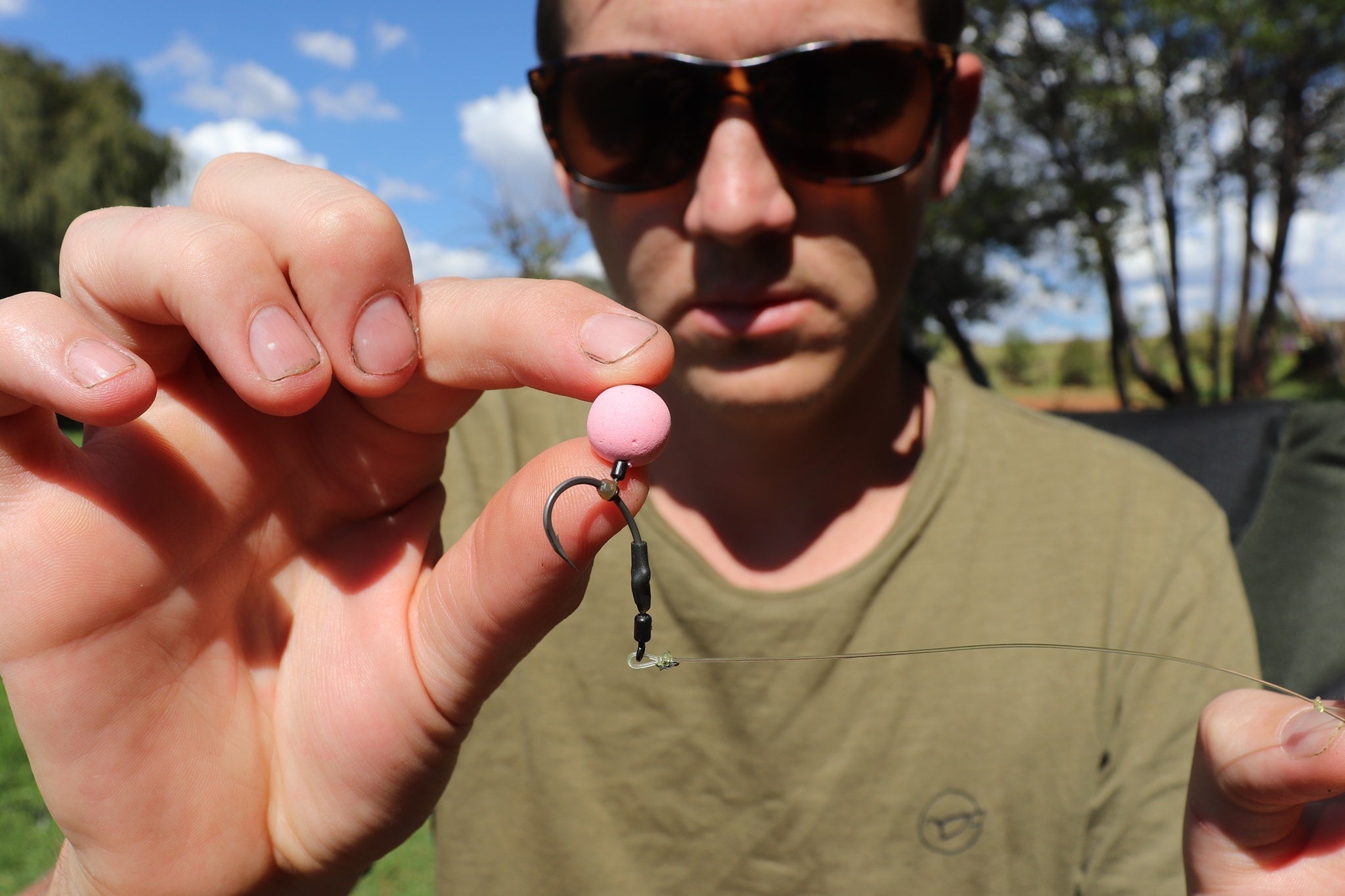
In modern carp fishing, there's a lot of talk about attractive boilies, tents that look like houses, kilometer-long casting distances, and Normandy-style landing dinghies. But the truth is that the game is played in those final centimeters. Right there, between the lead and the hook.
In carp fishing, leader length isn't a technical detail. It's a strategic lever that changes the way the carp perceives your bait. It can make the rig natural, fluid, and believable. Or it can make it stiff, suspicious, and artificial.
Carp don't attack like predators. They suck in. They assess. They spit. And they often do it in less than a second.
If the terminal isn't working properly at that moment, the launch doesn't happen. Or worse: it arrives, but then crashes.
Understanding how long a carp fishing rig should be means truly understanding the logic of modern carp fishing.

Why is terminal length so important?
Each length produces a different behavior of the rig.
A short leader transfers the tension of the lead more quickly. The auto-strike kicks in almost immediately. It's a more direct, more responsive, more "mechanical" system.
A long leader, on the other hand, gives the bait more freedom. The hookbait moves more naturally, the carp feels less stiff initially, and the suction is smoother.
It's a fine balance.
- If you shorten it too much, you risk making everything look artificial.
- If you stretch too much, you risk losing the effectiveness of the hook rotation.
The length of the terminal isn't a fixed number. It's a fine adjustment that adapts to the lake's conditions.

Short or long terminal in carp fishing?
Short terminals (10–20 cm)
Short leaders are ideal when the fish are active and the bottom is clear. In these conditions, the goal is to maximize the speed of the automatic hook.
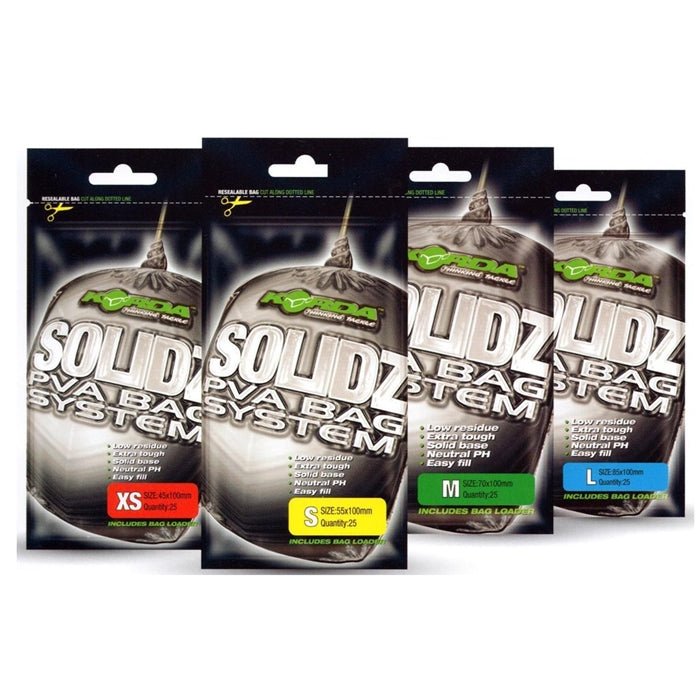
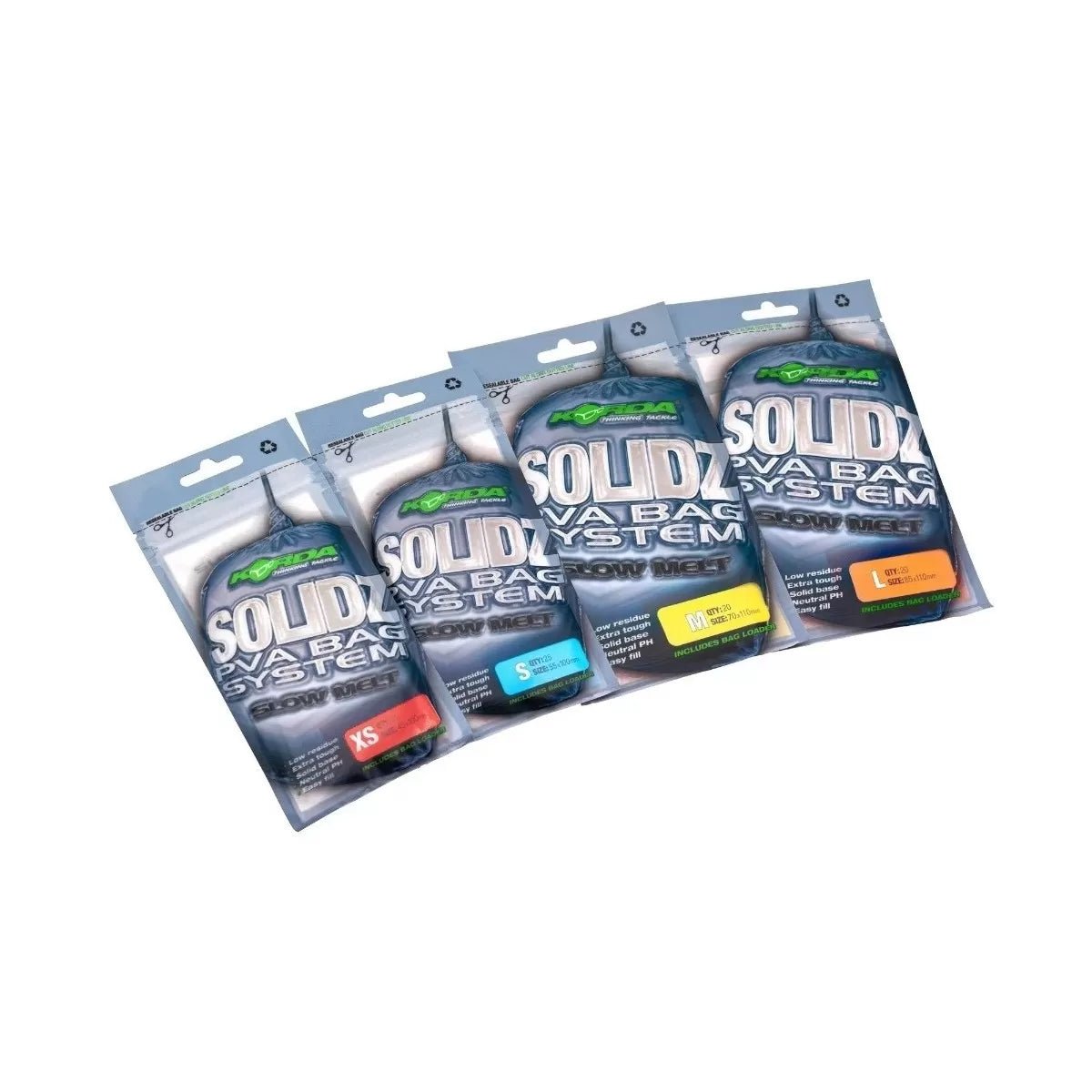
They're perfect for PVA bag fishing or in situations where carp are competing for food. Here, the lead starts to work almost immediately and the hook rotates decisively.
It's a technical and aggressive setup.
However, in very clear water and with suspicious carp, a too-short leader can feel unnatural. The carp immediately sense tension and may release the bait before the system works.

Medium terminals (20–30 cm)
This is the most versatile length in modern carp fishing, as well as the most used.
It offers a balance between naturalness and control. It's a size that works on most pressured lakes and with most baits, from bottom baits to snowmen.
If you don't have precise information on the fish's behavior, starting from an average length is a logical choice.
It's not a "random" solution. It's a solid technical foundation.

Long terminals (30–50 cm)
When carp become wary, a long leader can make all the difference.
In clear water, under heavy fishing pressure, or under high atmospheric pressure, fish tend to feed more cautiously. In these cases, a longer length allows the bait to move more naturally and reduces the immediate perception of lead tension.
It's a finer, more technical fishing.
Naturally, it requires attention when assembling to avoid tangles and loss of effectiveness when self-ferrata.

Terminal length and trigger type
The choice of length must always be in line with the trigger.
- Pop-up: often works best with a slightly shorter length, because it benefits less from the weight of the lead.
- Sinking boilie: can work perfectly with a shorter length, maintaining greater control in the suction phase.
- Snowman: It is placed in the middle and requires balance.
Each combination changes the rig's dynamics. Length isn't chosen in isolation.
Material influences behavior
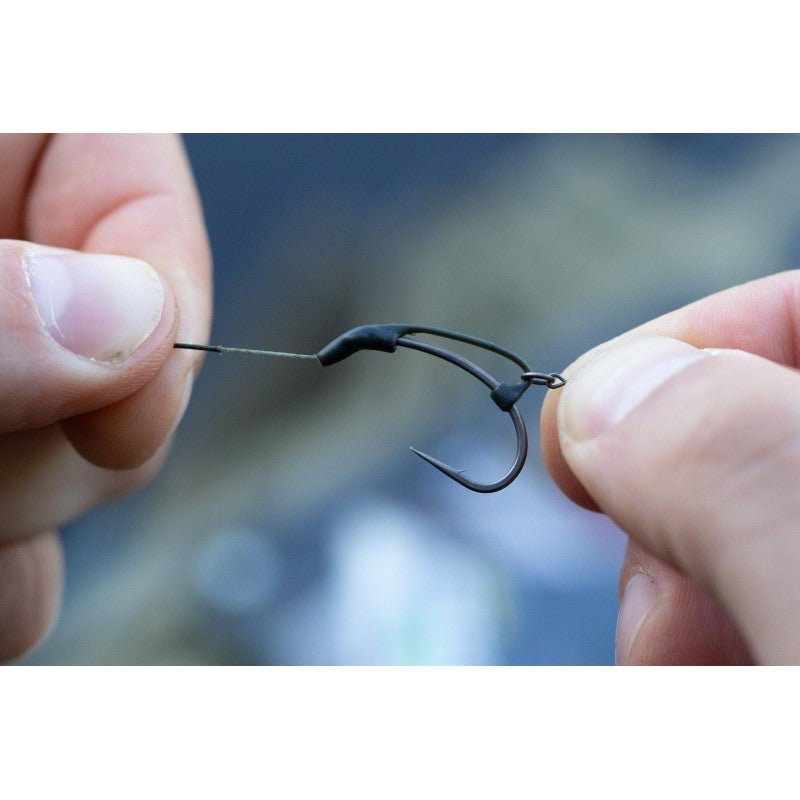
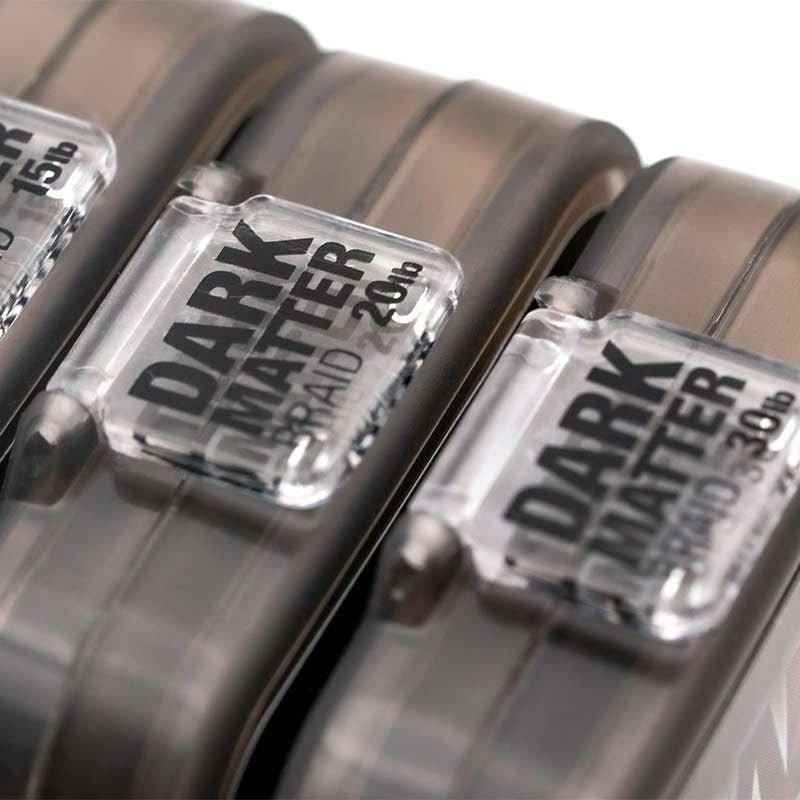
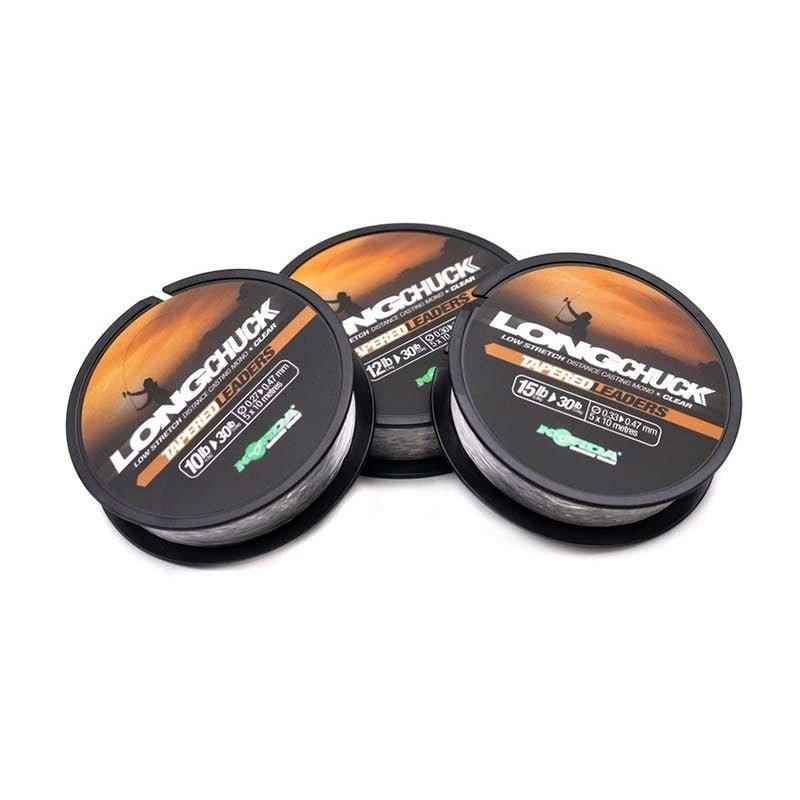
A long leader made of stiff fluorocarbon behaves differently than a long leader made of soft braided line.
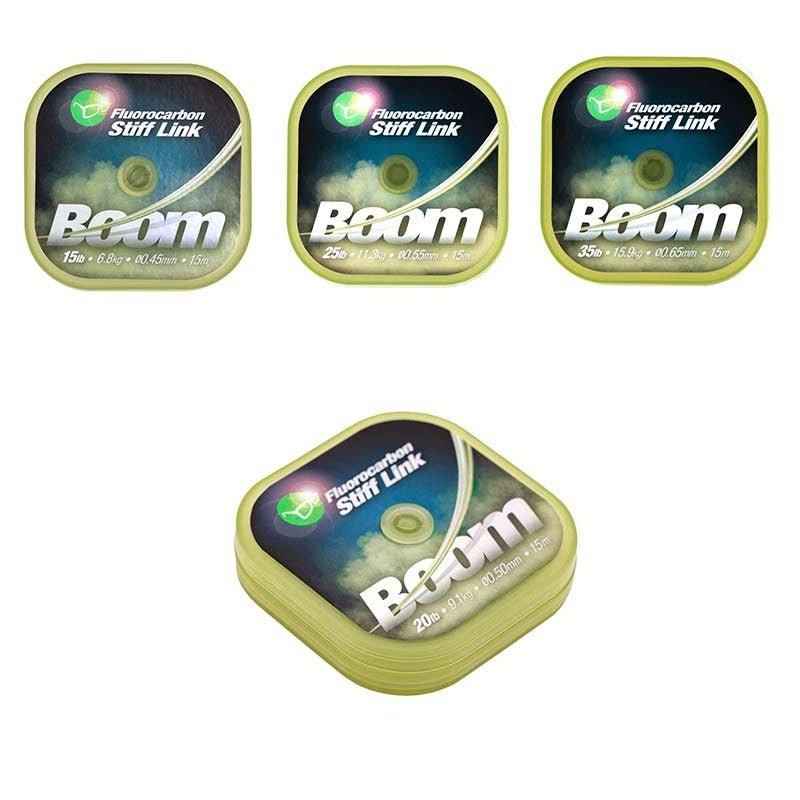
- Fluorocarbon: rigidity and invisibility. Ideal in clear water and for setups like stiff rigs or chods.
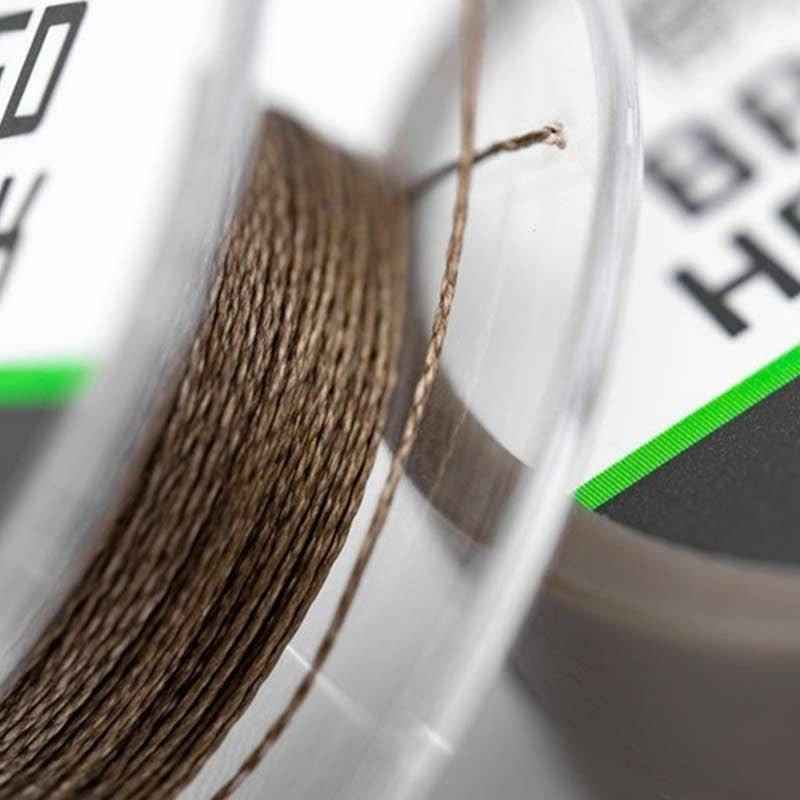
- Soft braid: maximum mobility, perfect on uneven seabeds.
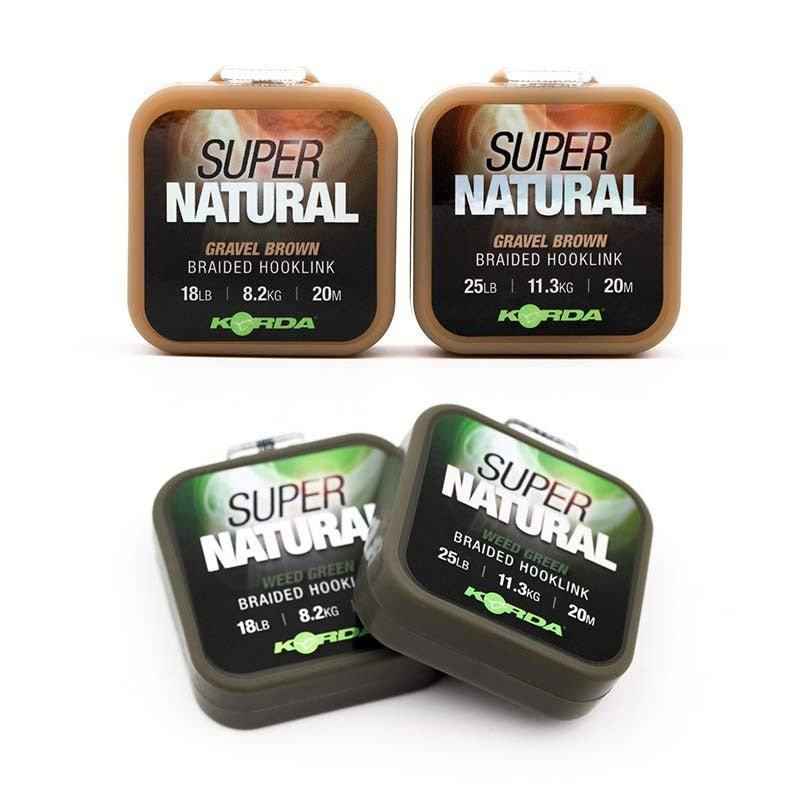
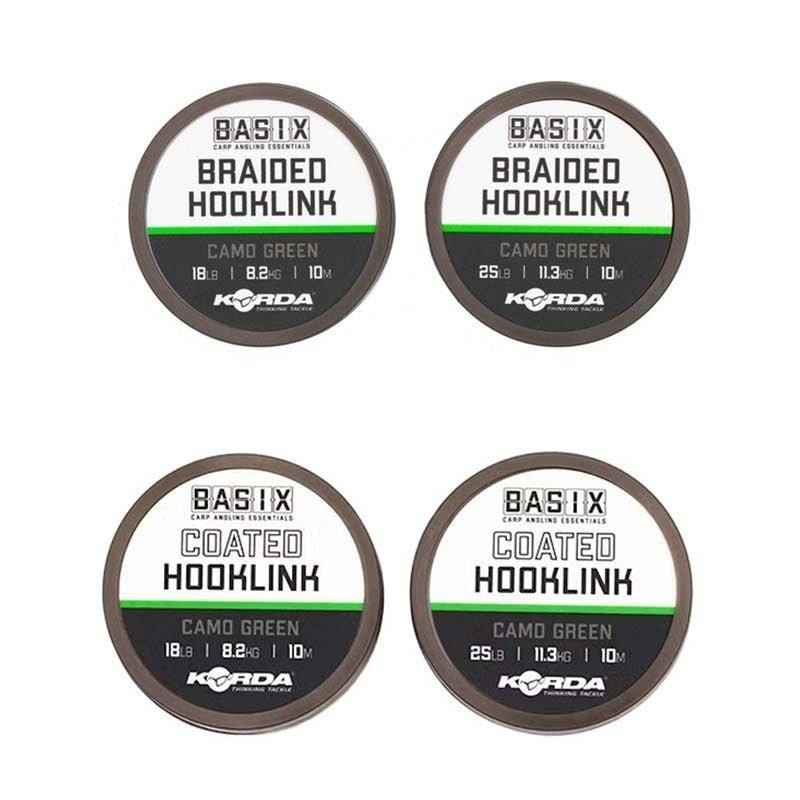
- Coated braid: a modern compromise between tangle-free and natural.
Length and material must work together. Separating them is a technical error.
The most common mistake in choosing the length
The biggest mistake isn't choosing 20 or 30 centimeters. It's never changing.
Many anglers rely on a method that “ has always worked .” But the lake changes, the pressure increases, and the carp learn.
- If you get timid touches, it can be helpful to stretch.
- If you have strong bites but unhooking, shortening can improve your self-hooking.
In carp fishing, adaptation is a skill. Not an option.

Ready-made terminals or custom construction?
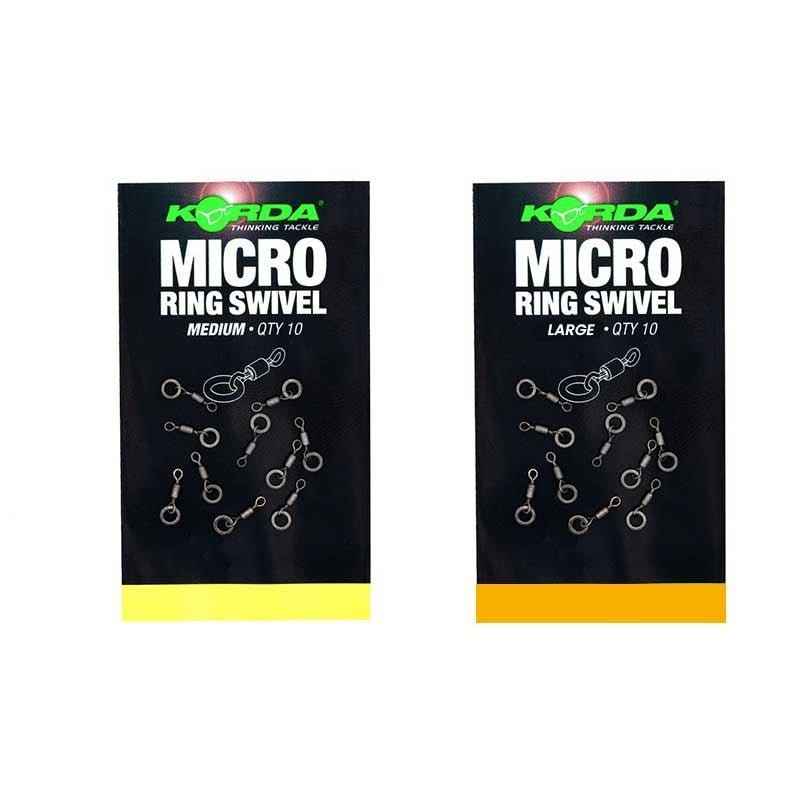
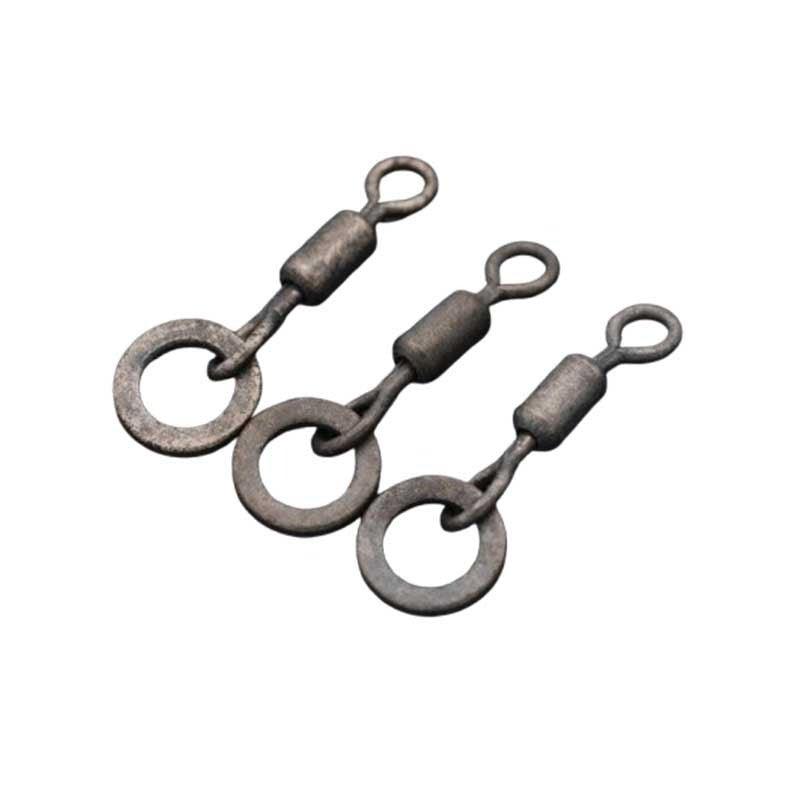
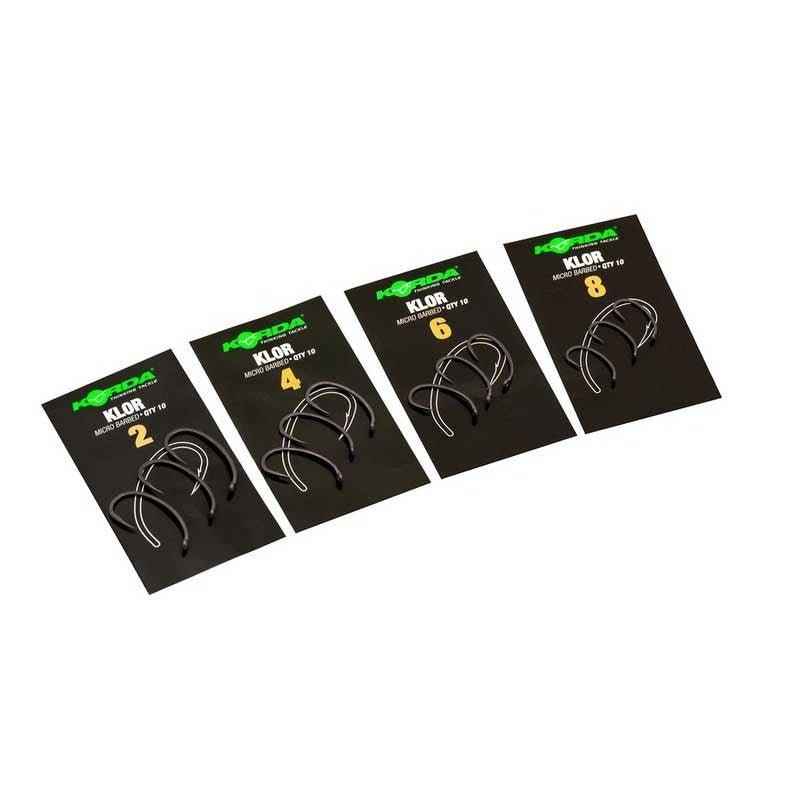
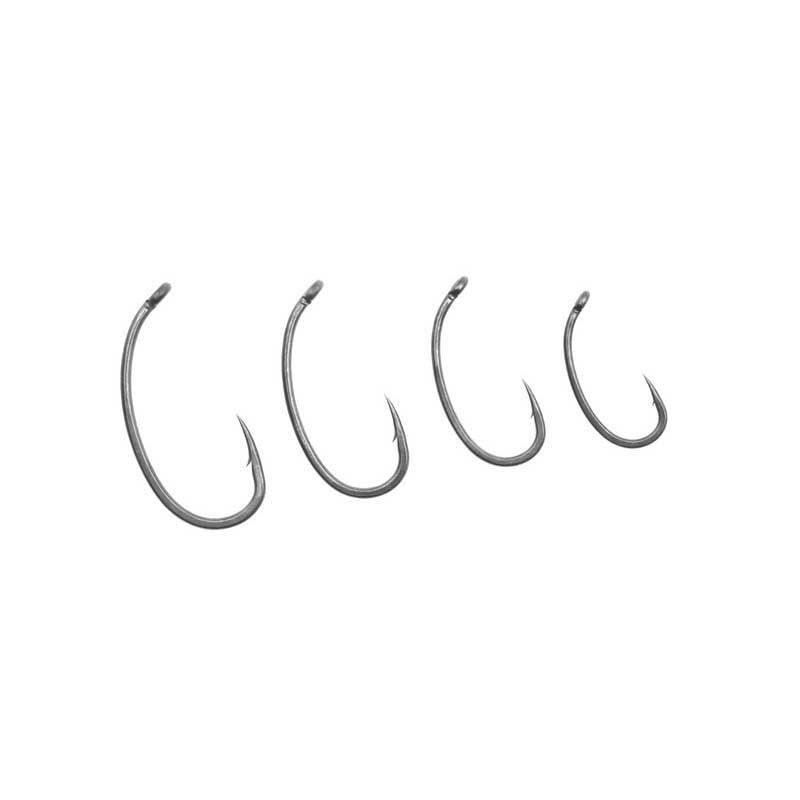
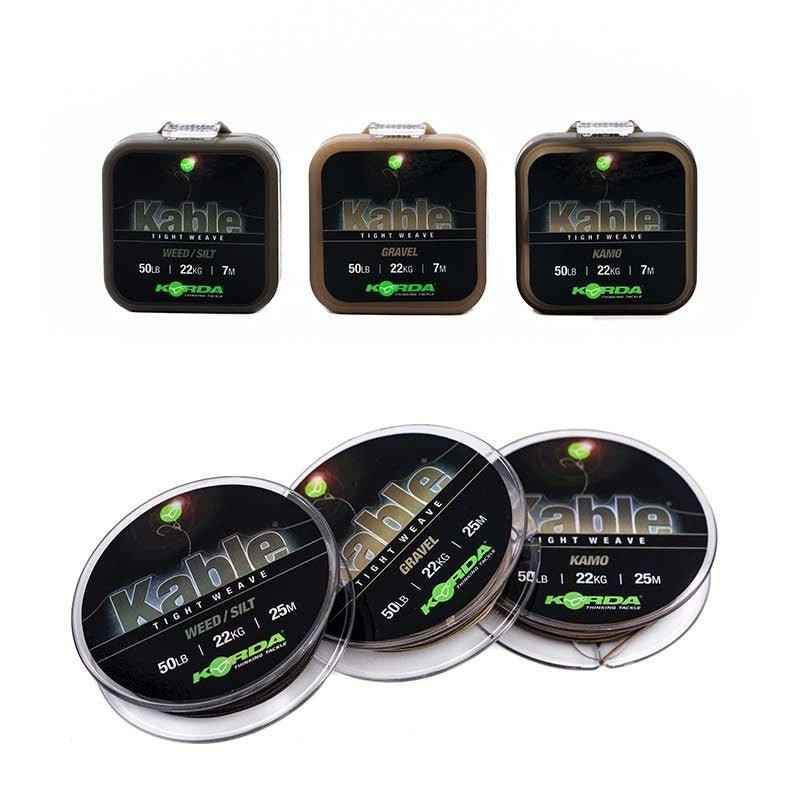
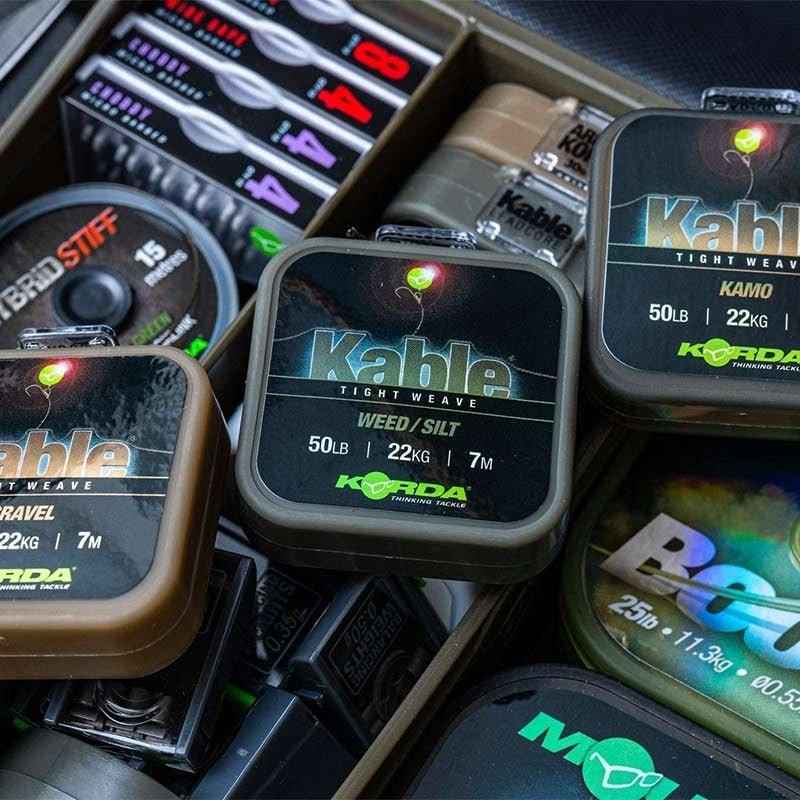
You can choose to build each rig custom, selecting the hook, braid, swivels, and length based on the situation. It's a technical, informed, and personalized choice.
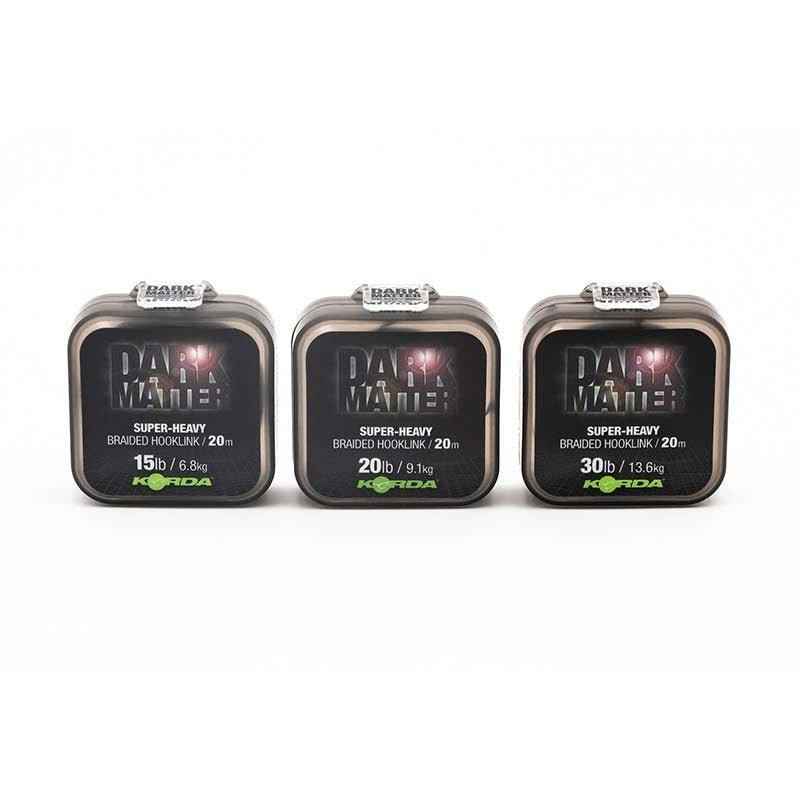
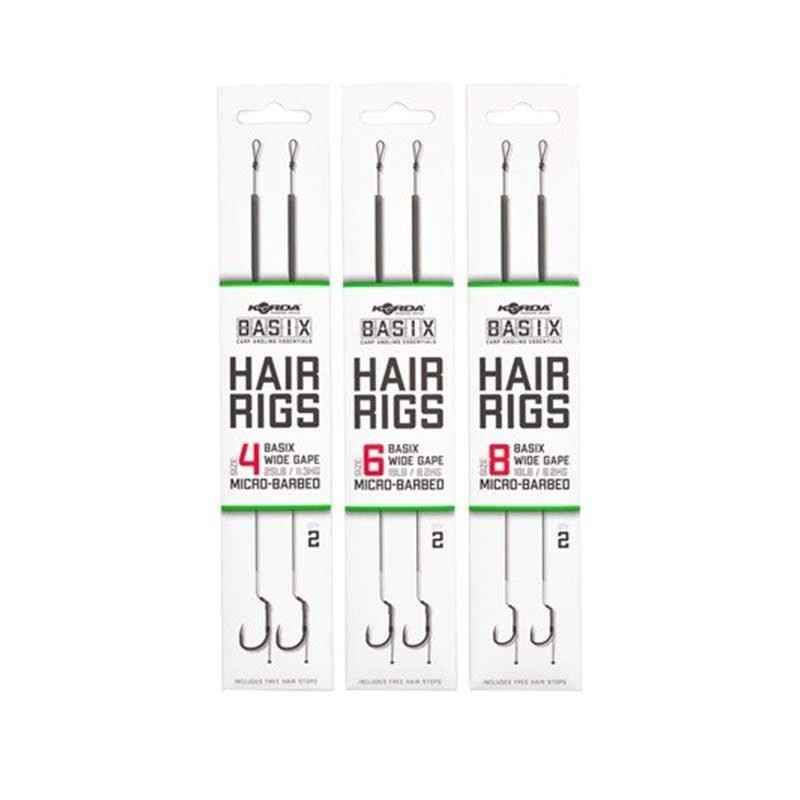
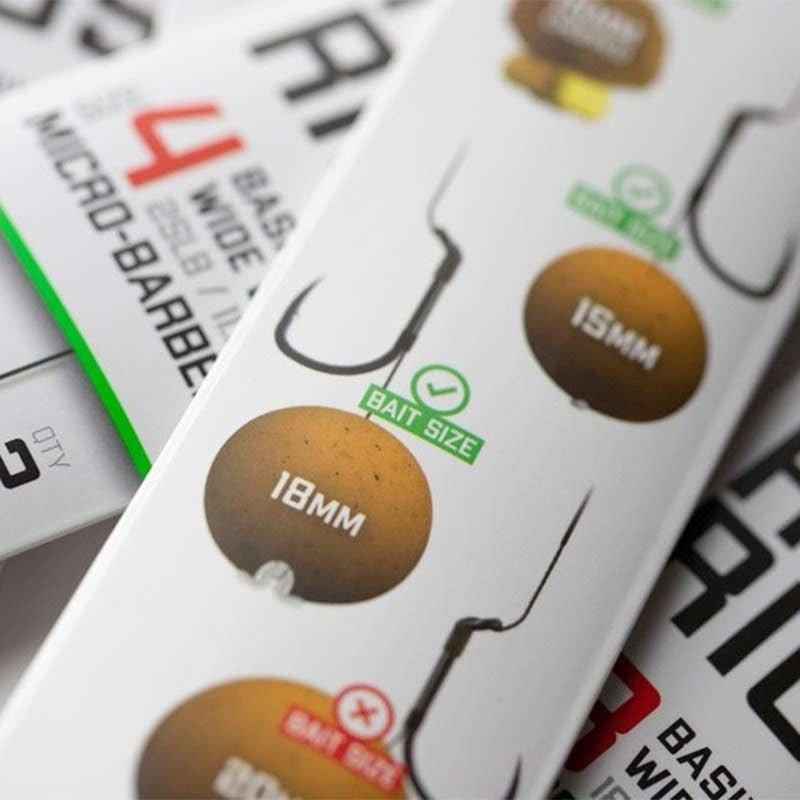
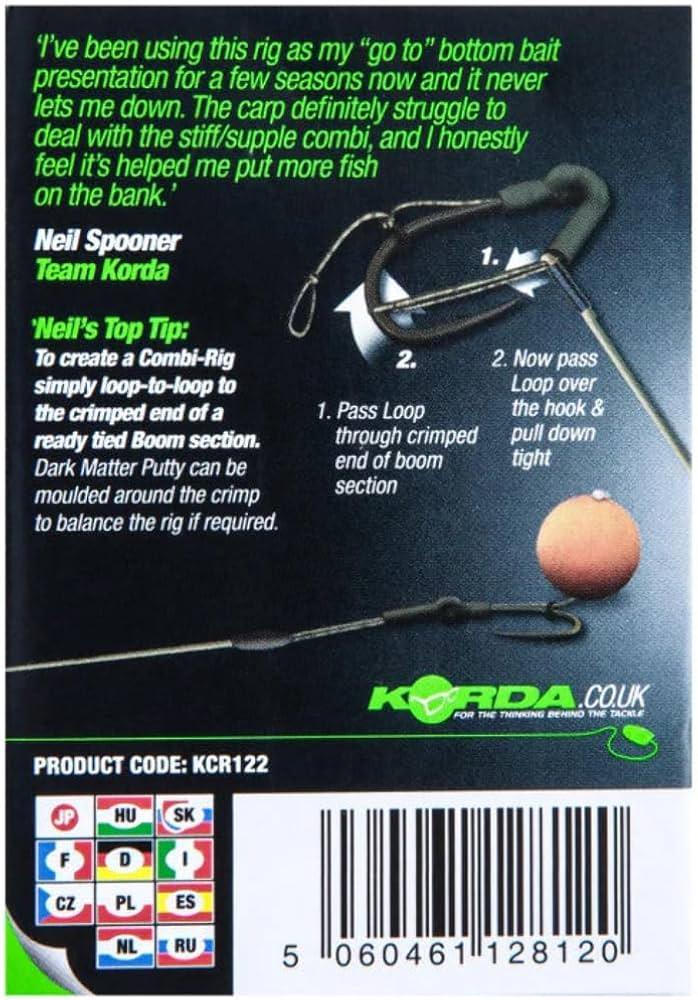
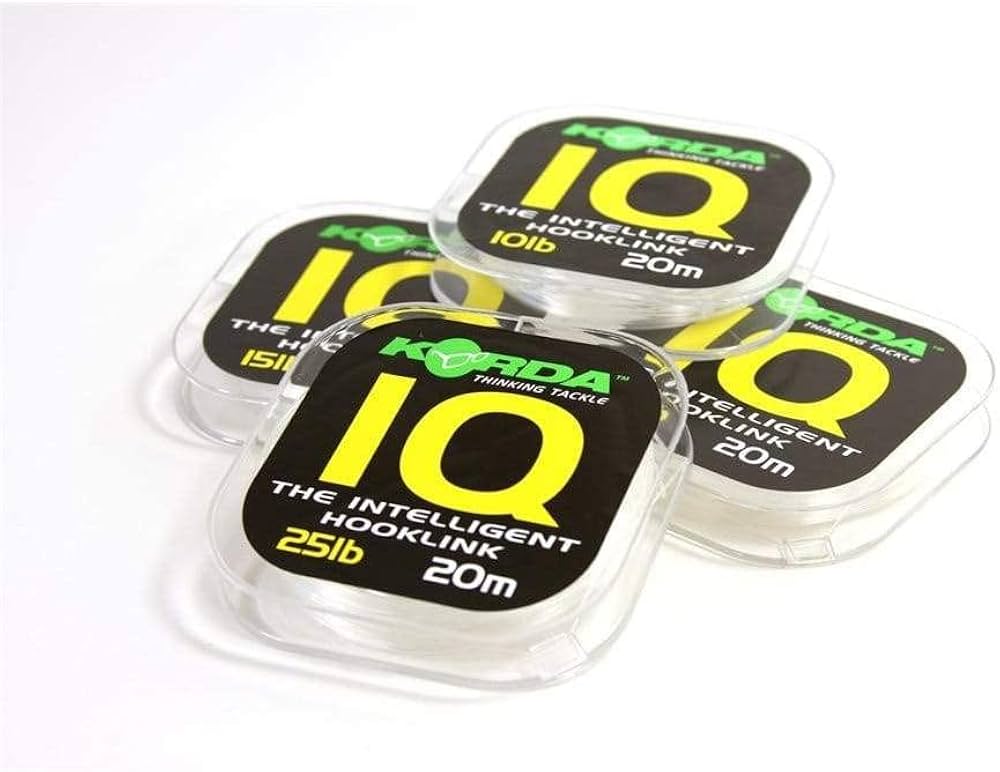
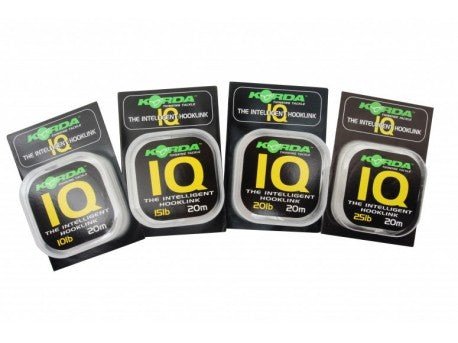
Or you can use ready-made terminals, already calibrated and tested in real fishing, saving time and reducing the margin of error.
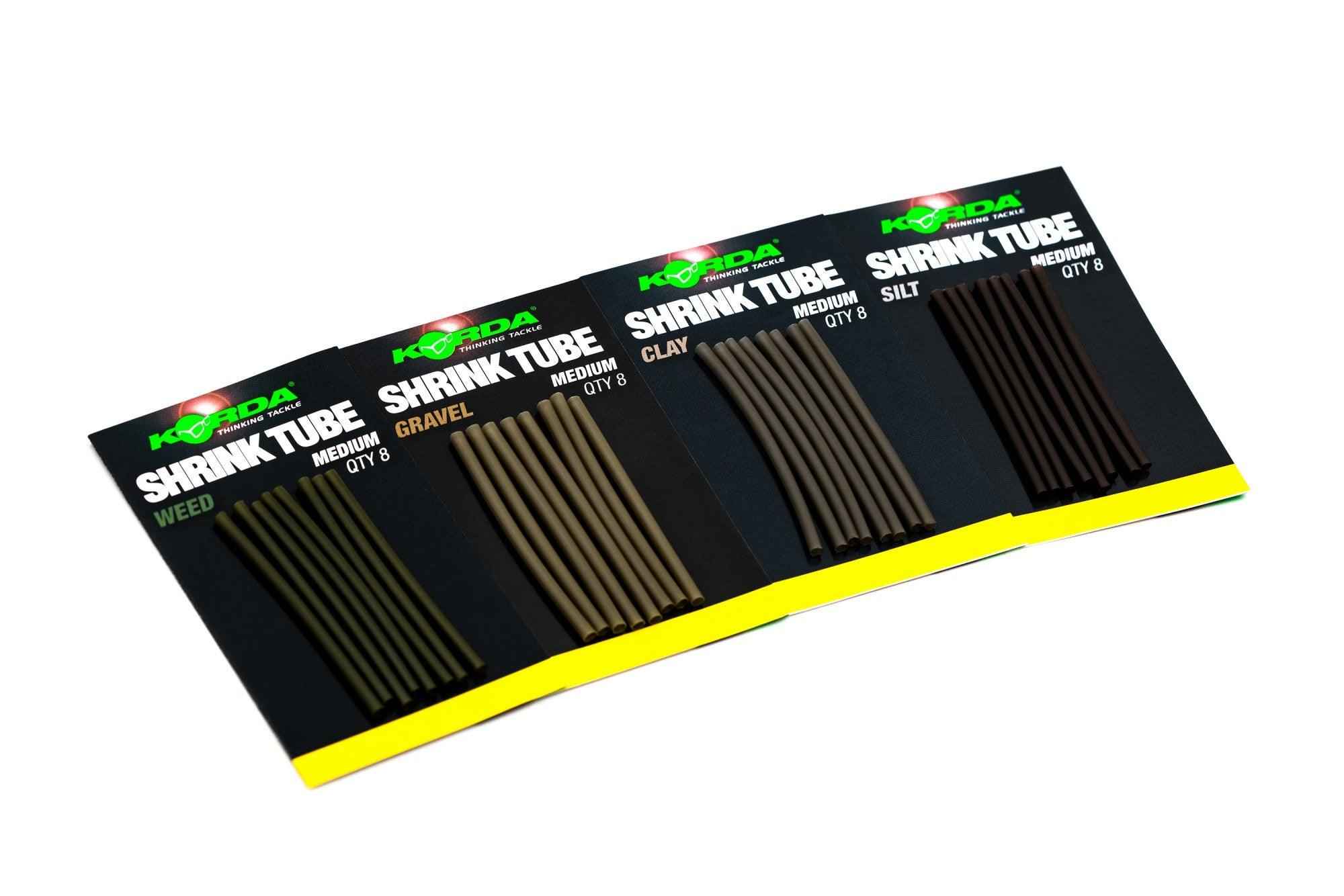
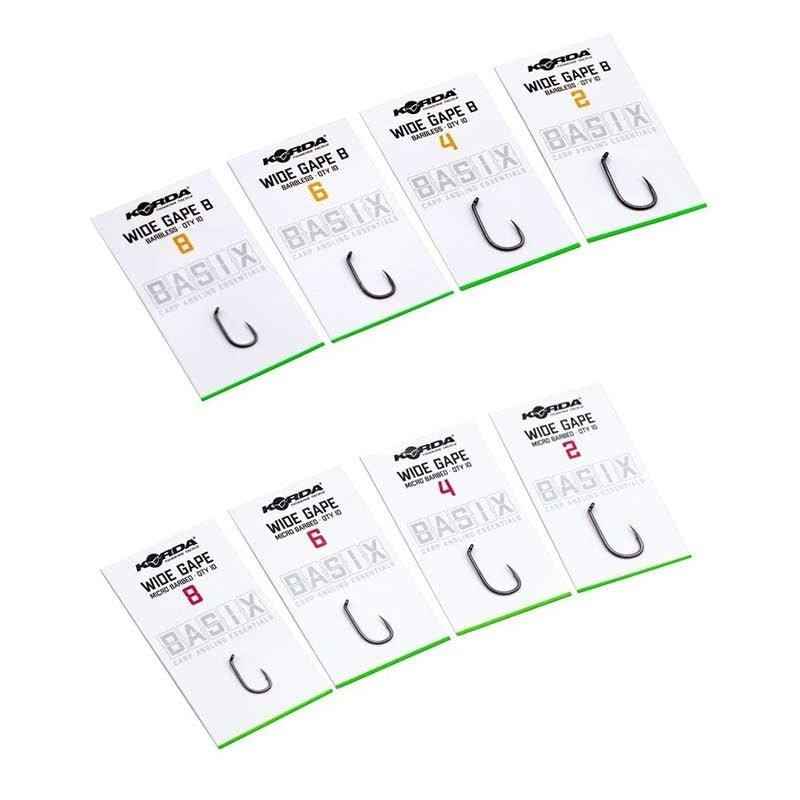
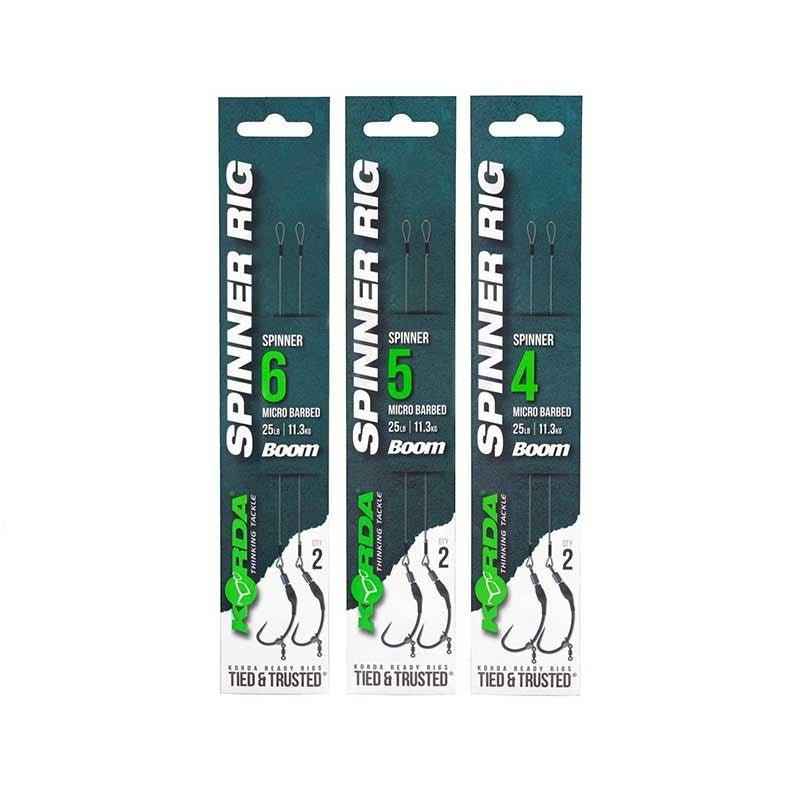
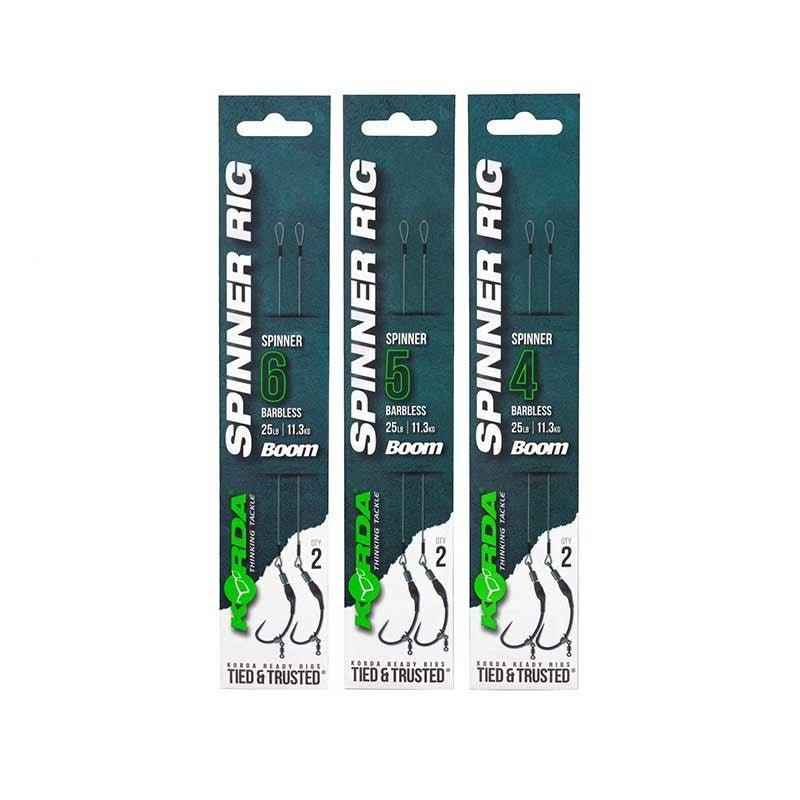
On Carpela you can find both solutions:
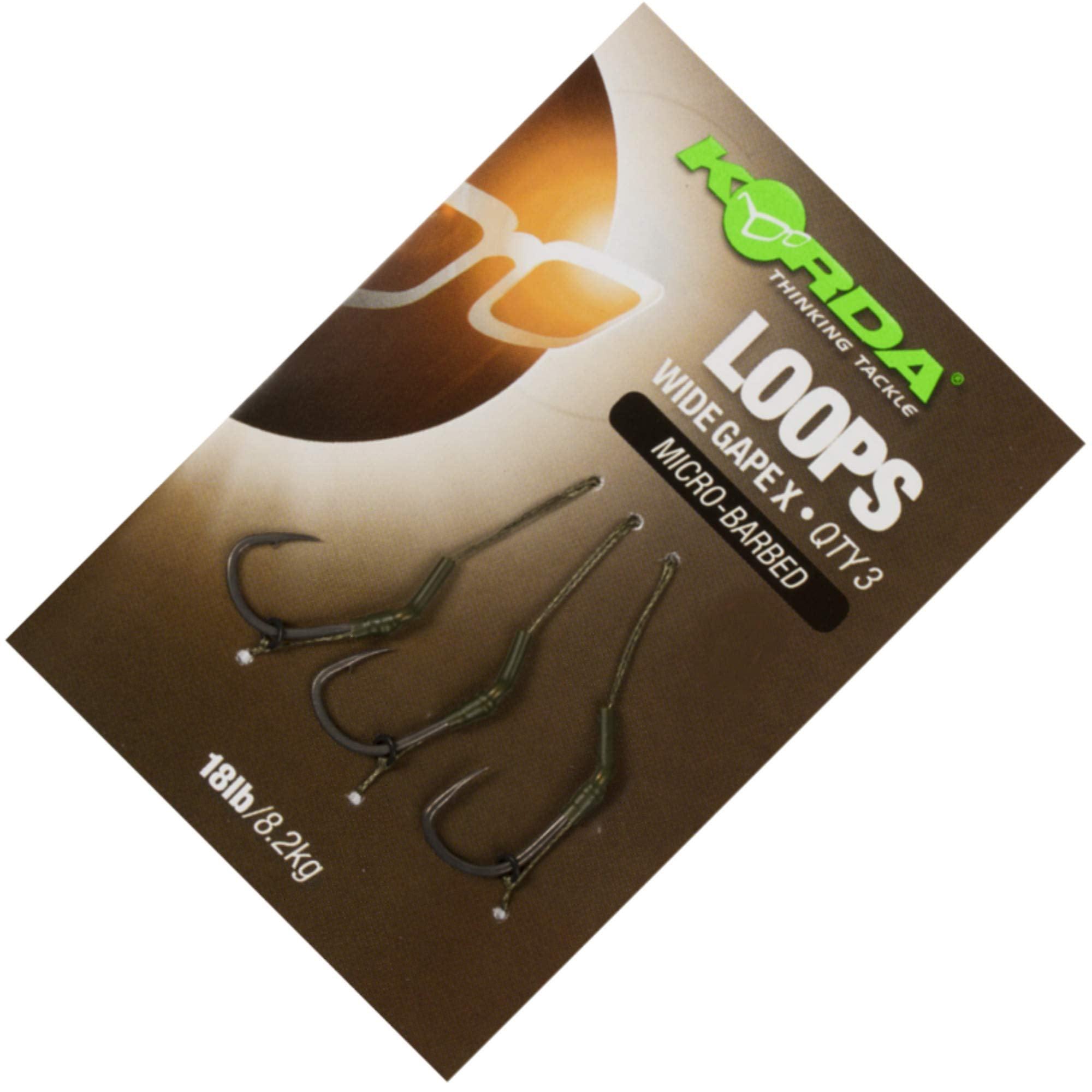
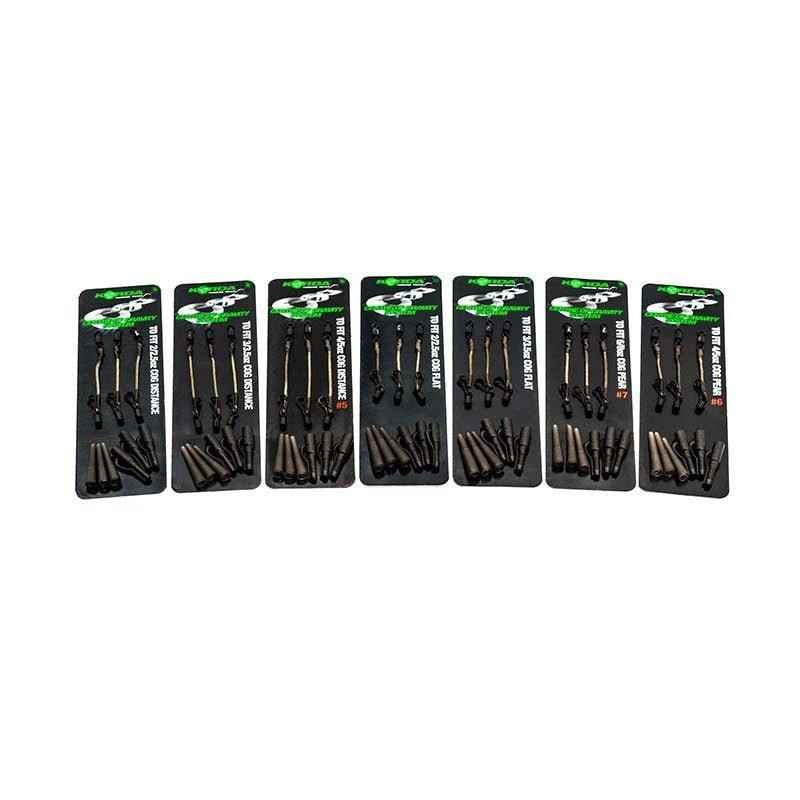
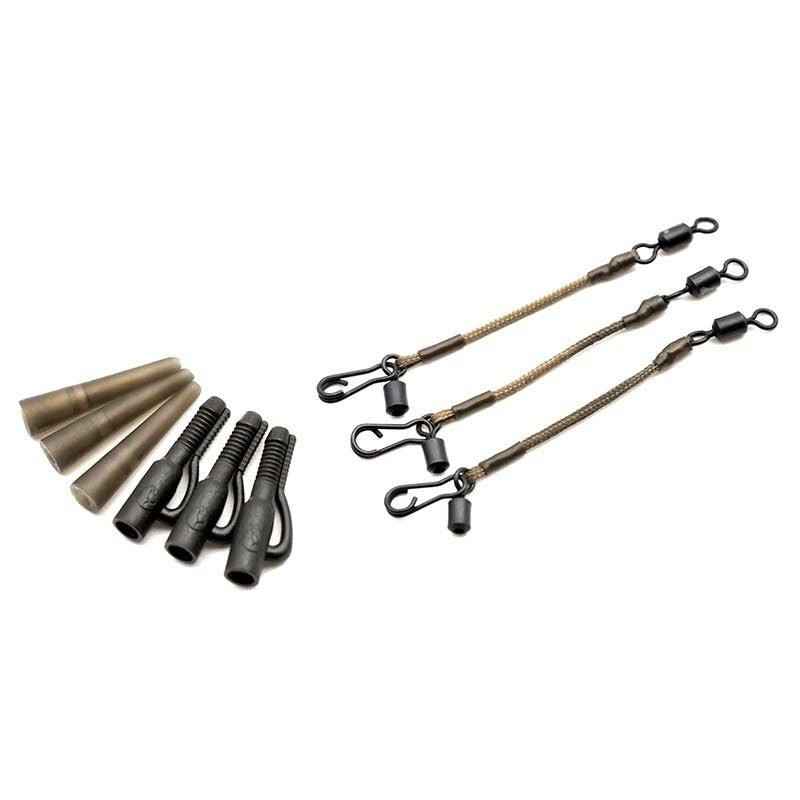
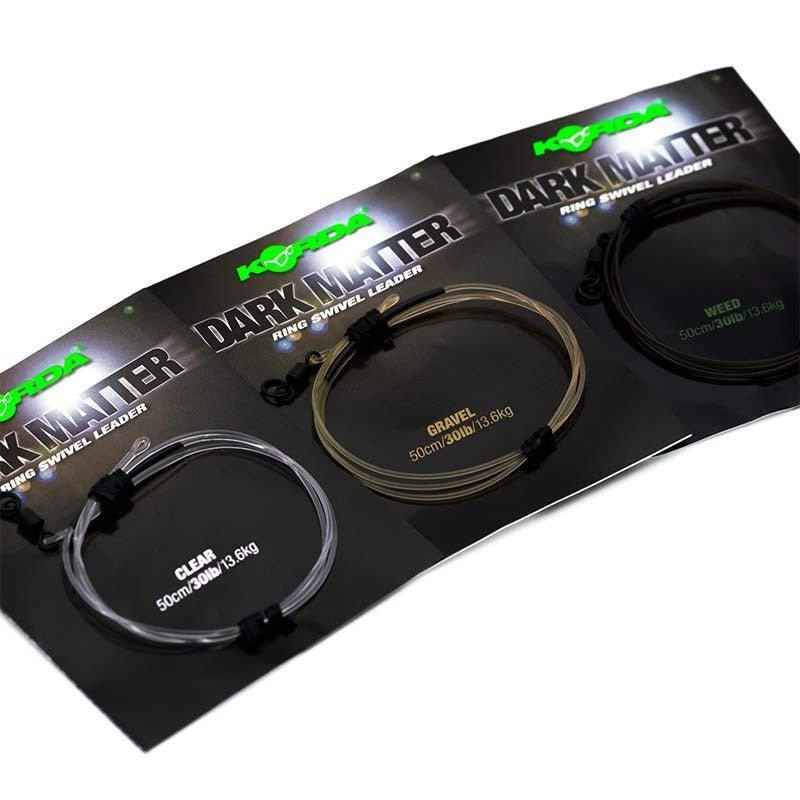
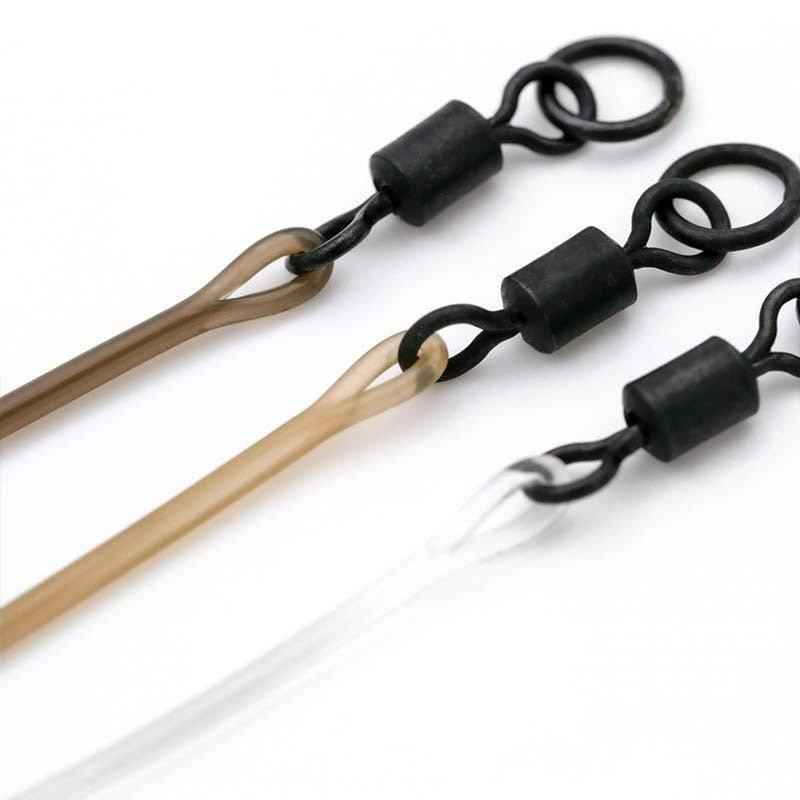
- Ready-made terminals with optimized lengths for different presentations
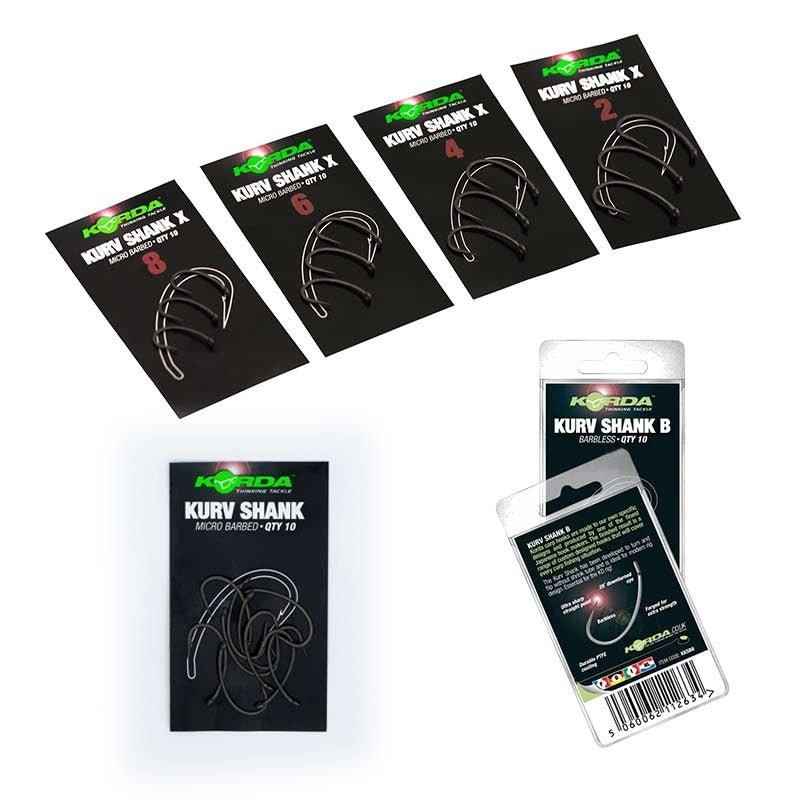
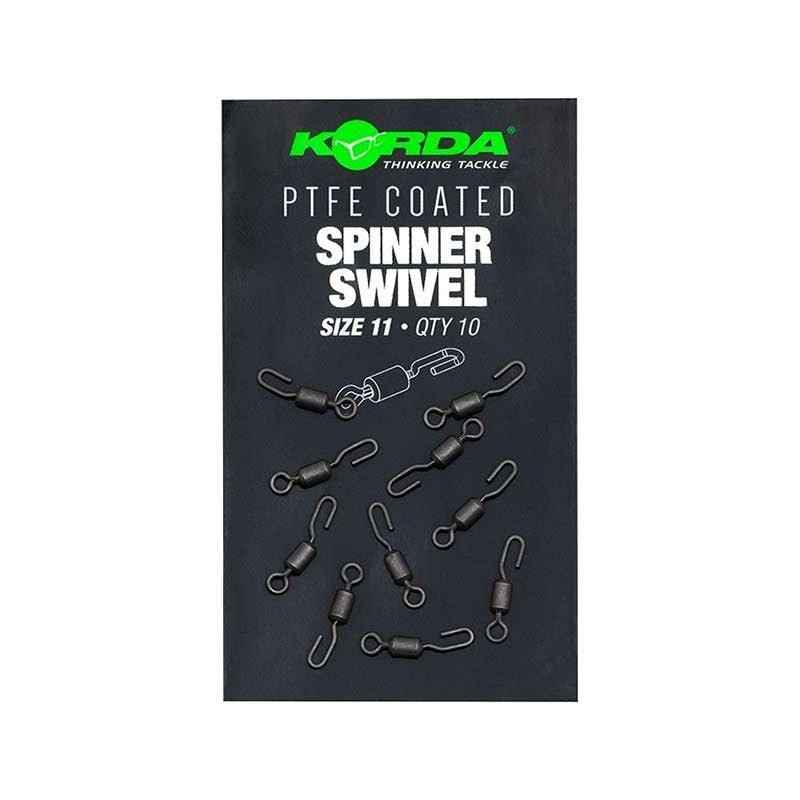
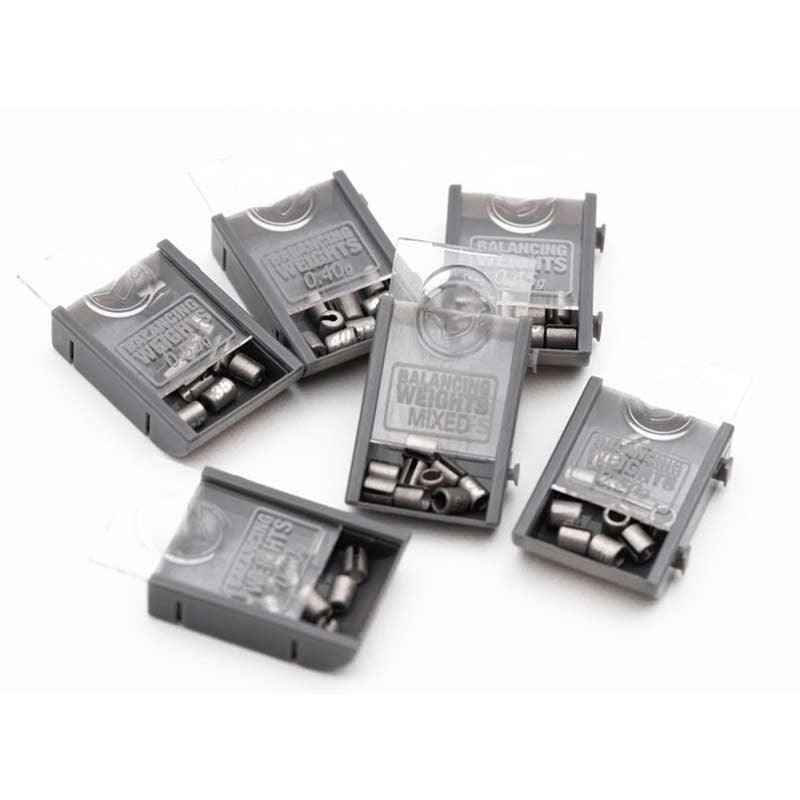
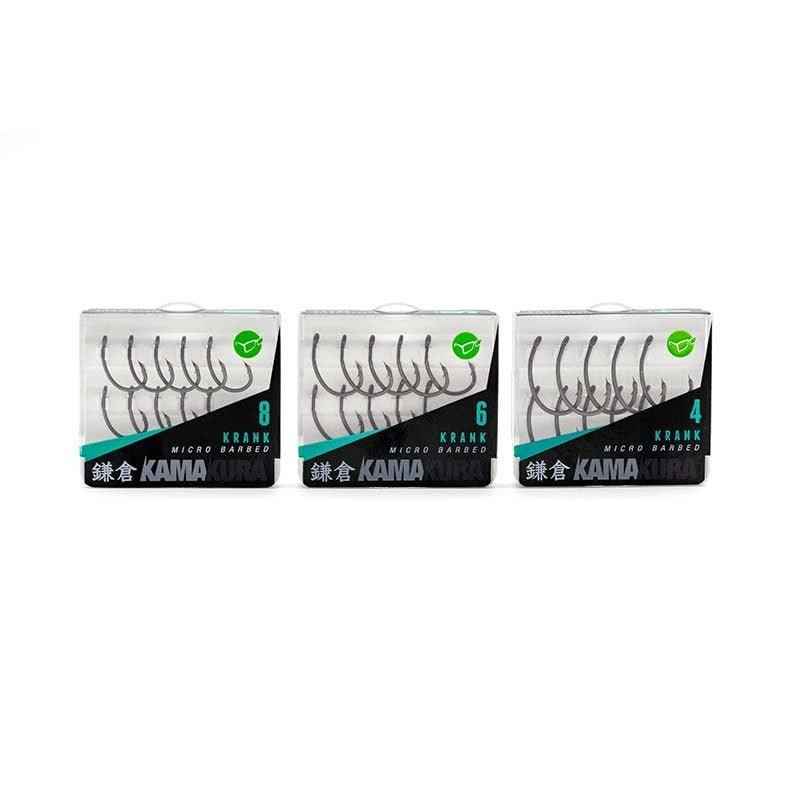
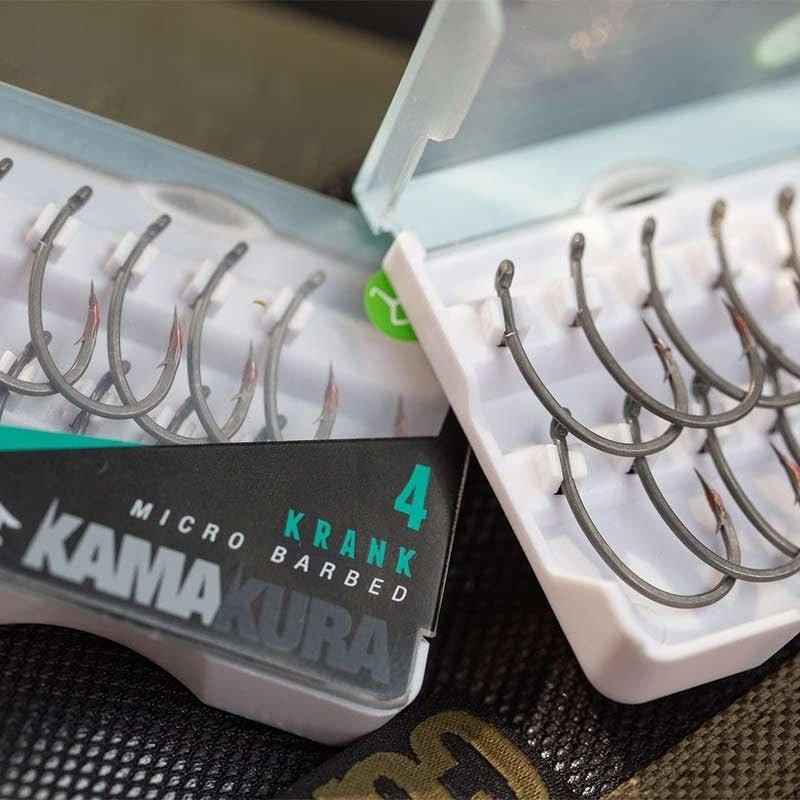
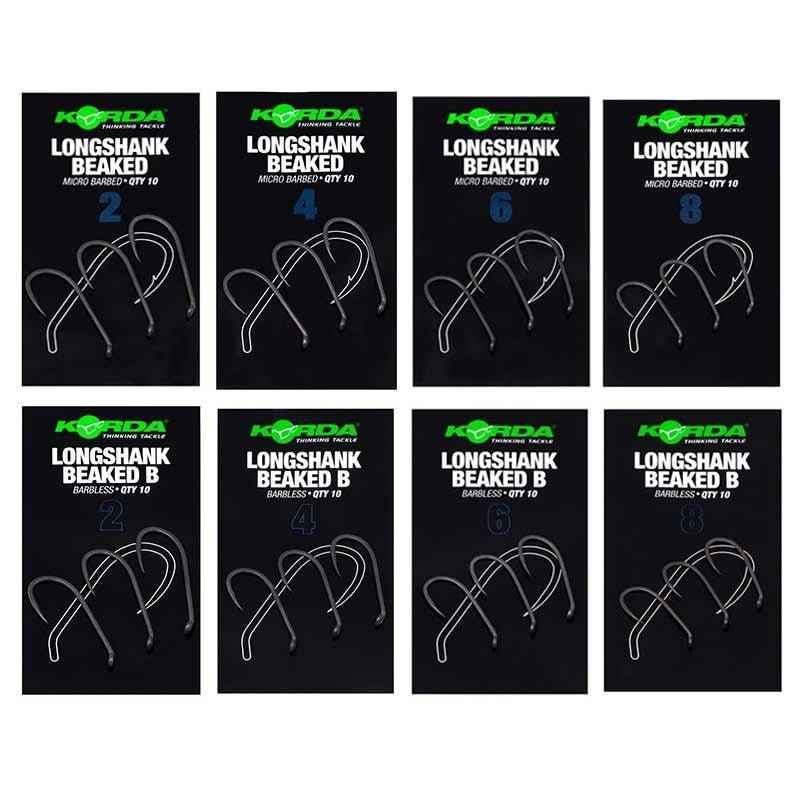
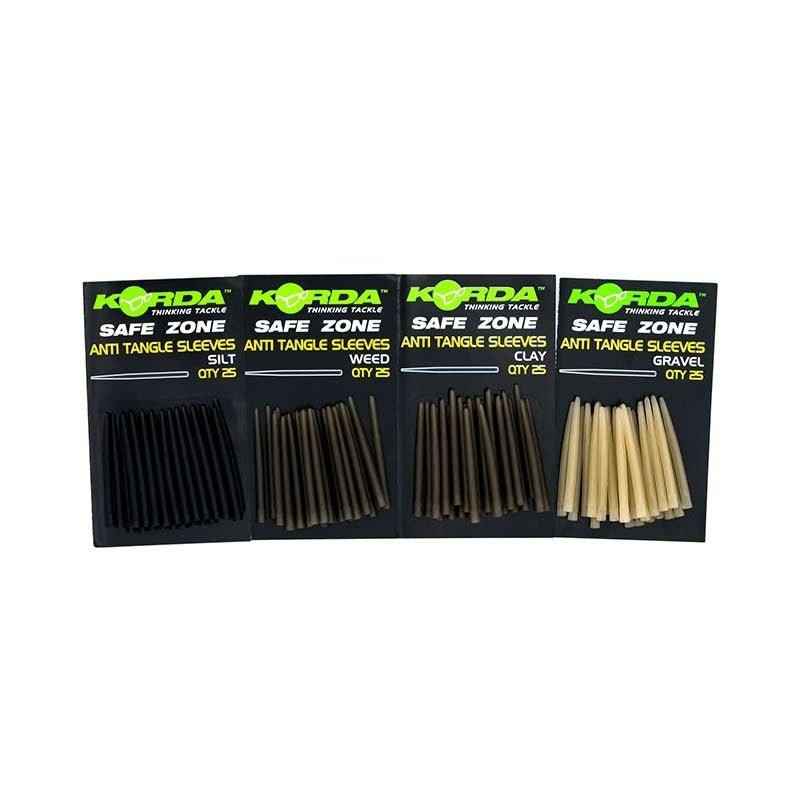
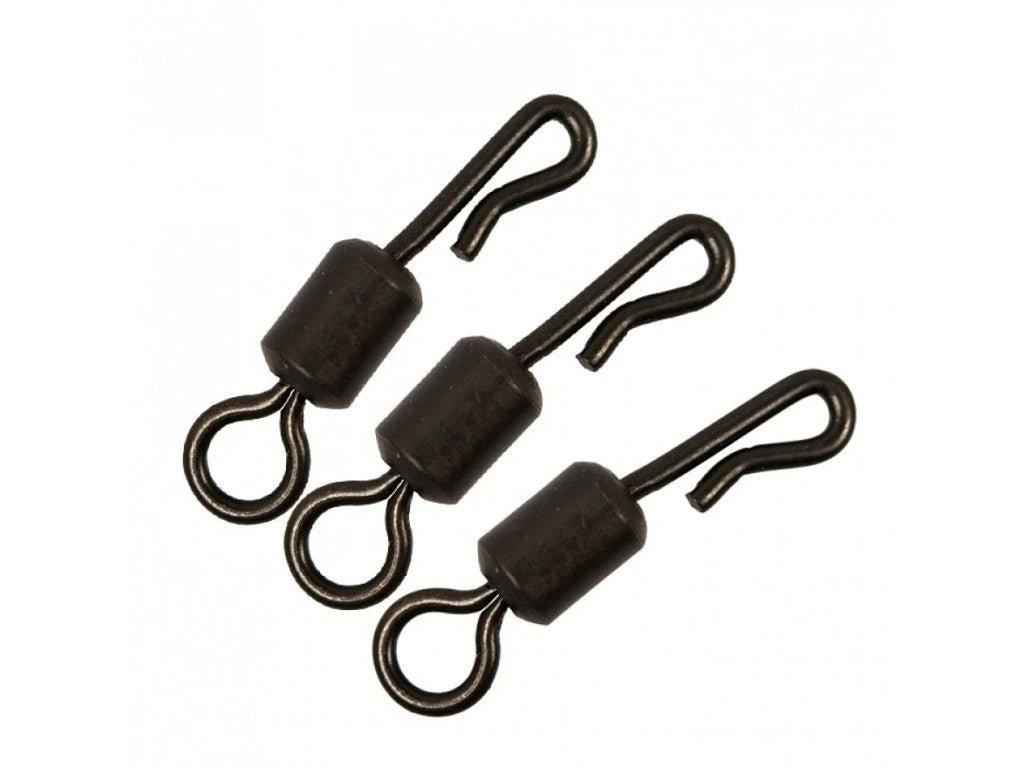
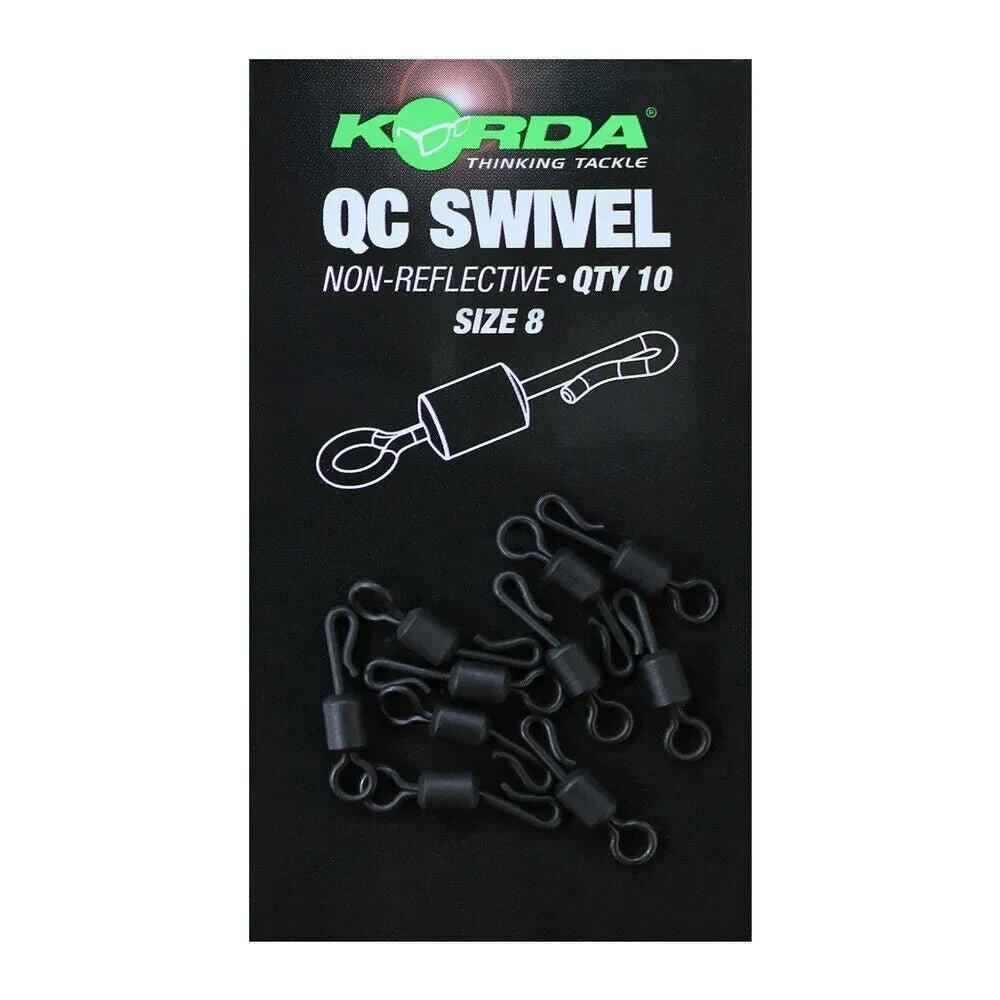
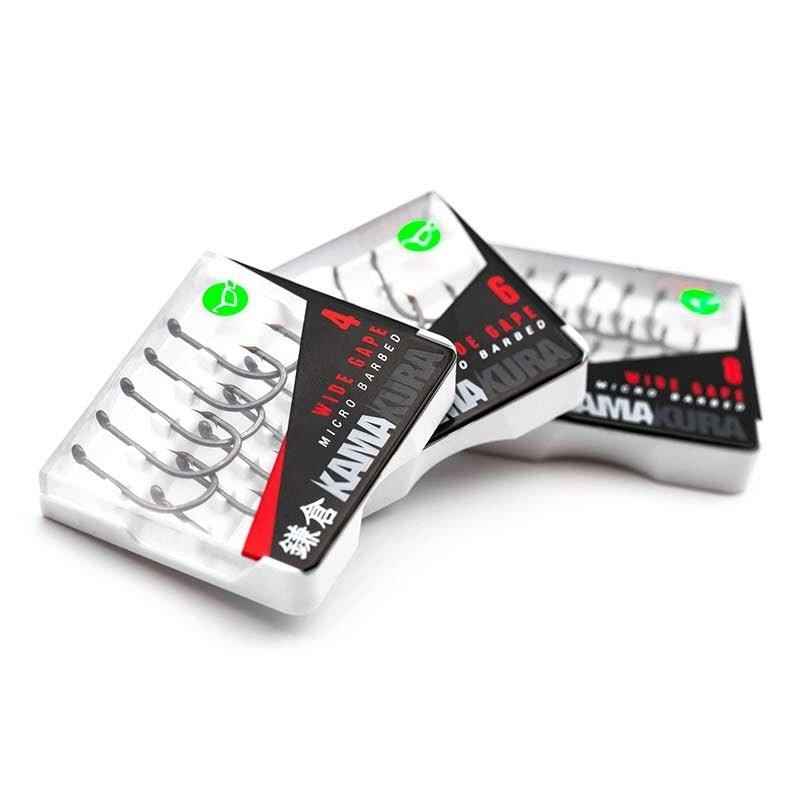
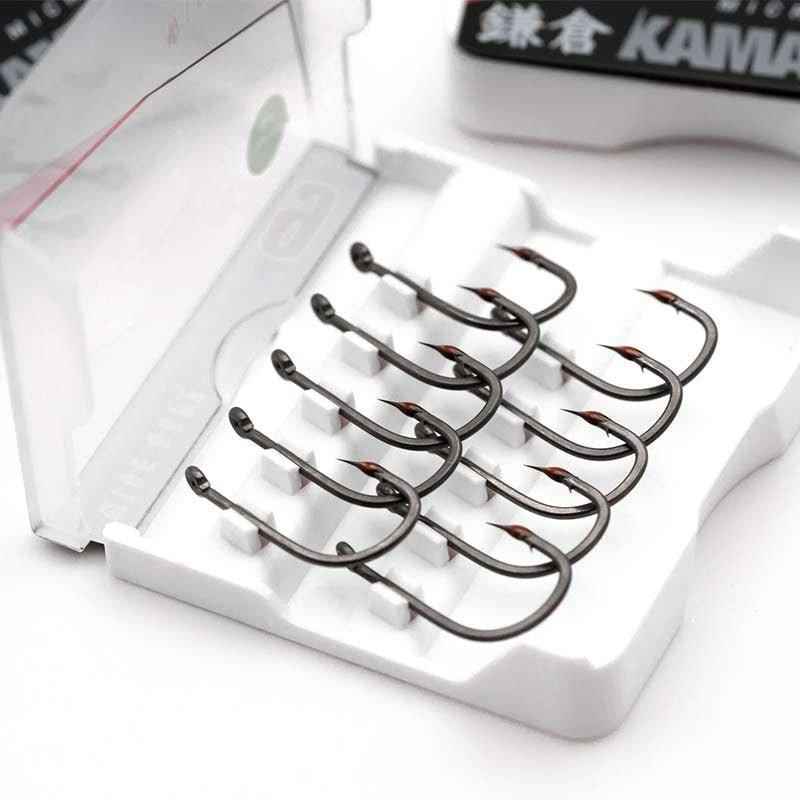
- Selected hardware to build consistent and reliable rigs
The difference isn't just in length. It's in the coherence of the entire system.
Recap: Which Length Should You Choose?
| Fishing situation | Recommended length | Technical reason |
|---|---|---|
| PVA Bag | 10–15 cm | Maximum speed of self-ferrata |
| Hard and compact bottom | 15–20 cm | Direct control and rapid rotation of the hook |
| Standard pressed lake | 20–25 cm | Balance between naturalness and reactivity |
| Suspicious carp in clear water | 30–40 cm | Reduced perception of tension |
| Pop-up on clean bottom | 5–15 cm | Less freedom of movement |
| Apathetic fish with high blood pressure | 30–45 cm | More natural and less invasive presentation |
This table isn't a universal law. It's a technical basis to start from.
Then the lake speaks.

Conclusion
The length of the leader in carp fishing is a fine adjustment that directly affects the presentation, the self-hooking and the carp's confidence in the hookbait.
This isn't a minor detail. It's a strategic variable.
Those who fish well observe, test, and modify.
He who does not change remains still.
And in modern carp fishing, standing still means leaving the carp to others.












2 comments
Massimo Fabris
Articolo molto interessante. In fiume avete qualche accorgimento in particolare per questi fattori: acqua sporca, molta corrente e carpe non particolarmente pressare.
Fabio
Grazie per i consigli che date