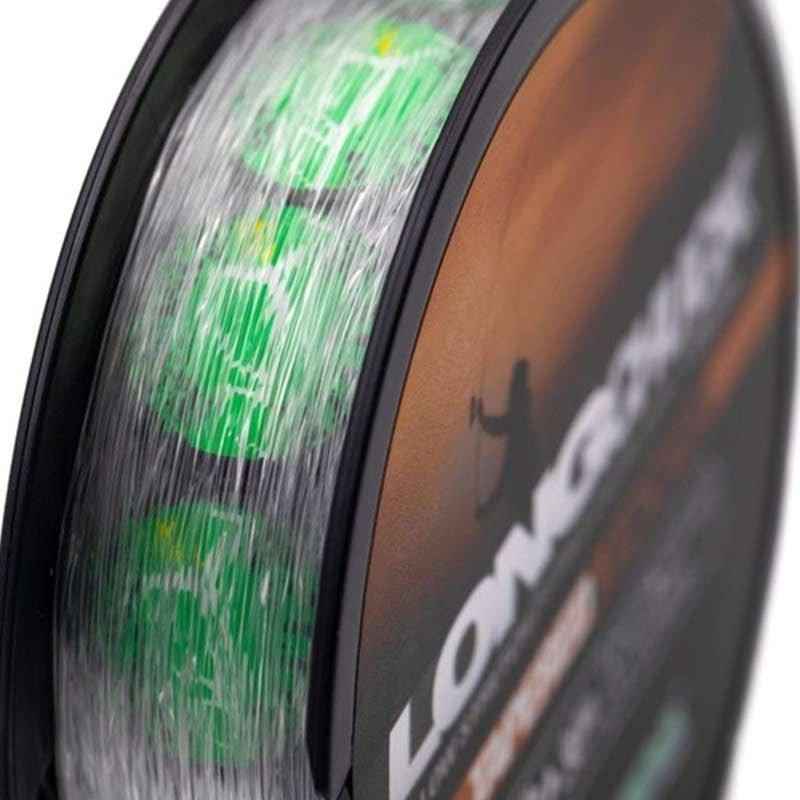
In modern carp fishing, the evolution of materials has allowed us to reach distances and sensitivity unthinkable just a few years ago. Braided line is undoubtedly one of the key players in this evolution. It was like replacing a Blackberry with an iPhone. However, switching from classic monofilament (nylon) to braided line is not a choice to be made lightly: it requires a technical understanding of its physical properties to avoid fishing errors and ensure the safety of the carp.
In this article, we'll analyze the technical characteristics of braided line, when it's actually beneficial to use it, and how to properly configure your "fishing machine" to take full advantage of its potential.

What is braided rope: Structure and Properties
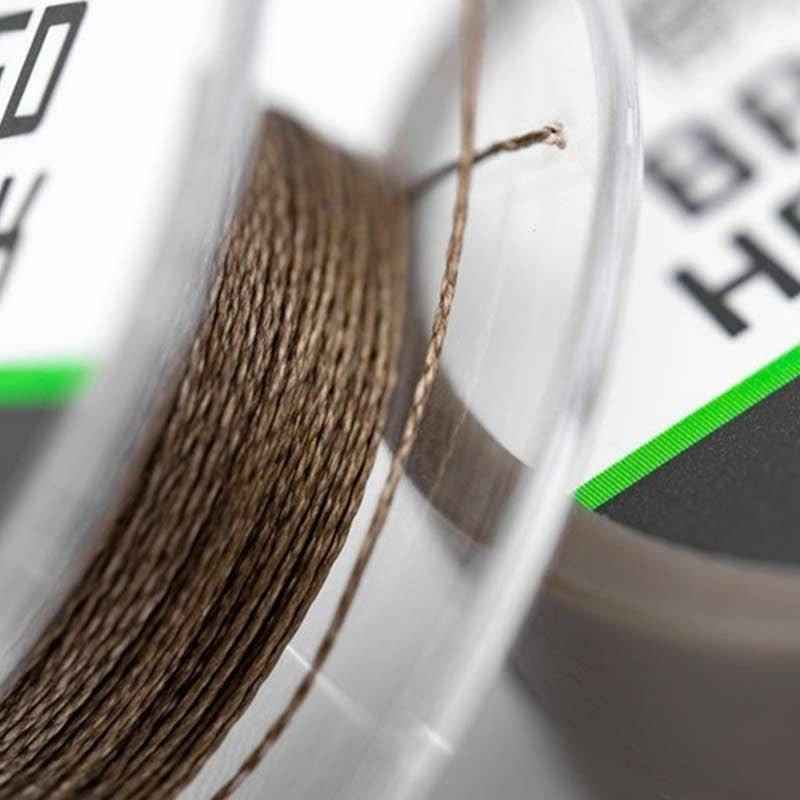
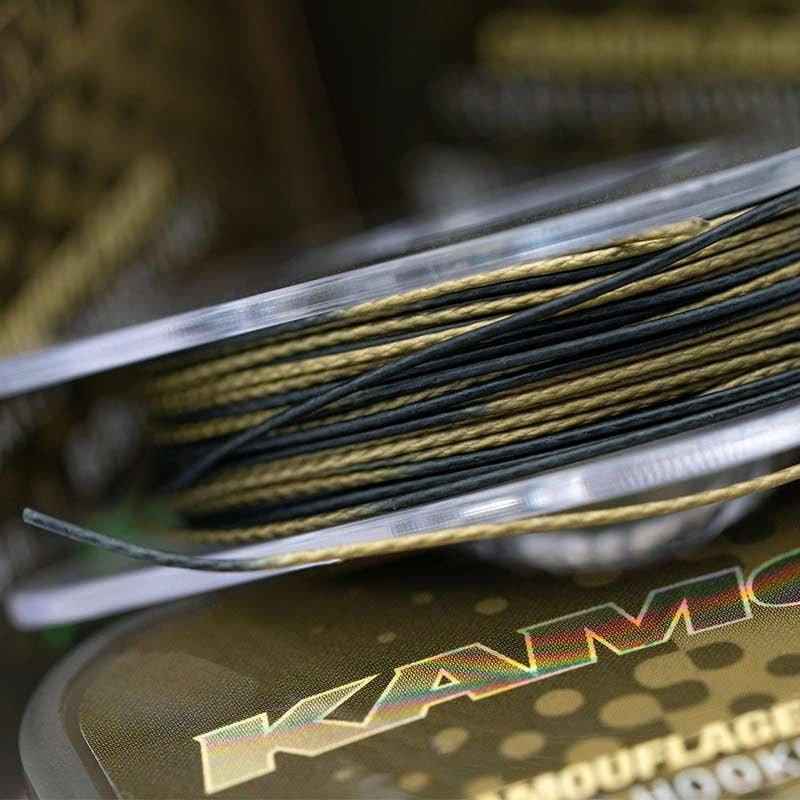
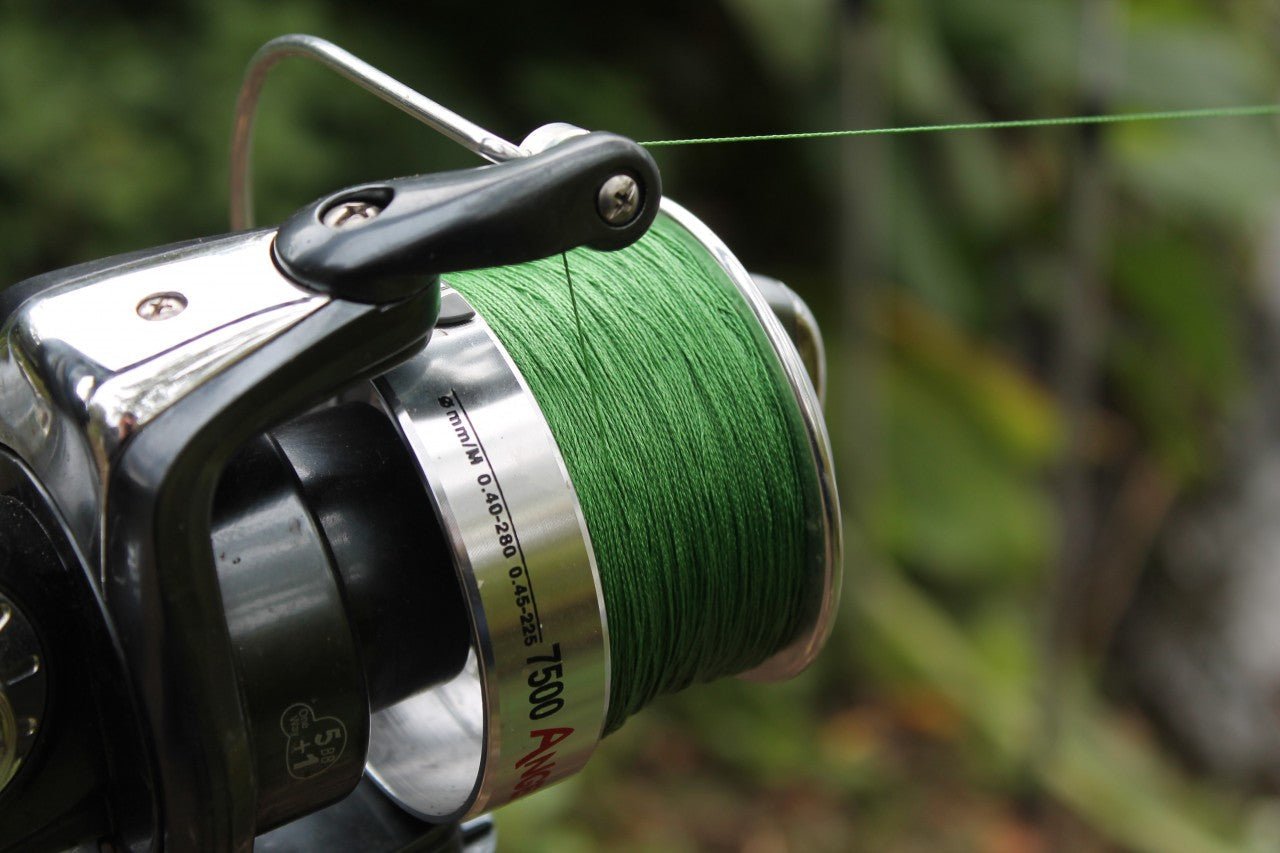
Unlike monofilament, braided line is made of multiple fibers (usually Dyneema or Spectra) woven together. This structure gives the line two fundamental characteristics:
-
Zero stretch: While nylon can stretch up to 20-30%, braided line doesn't stretch. This translates into immediate transmission of vibrations. Simply put: if the carp moves one meter, you'll feel exactly one meter of braid coming off the reel.
-
Diameter/Breaking Load Ratio: For the same strength, braided line has a significantly smaller diameter than nylon. This reduces friction with air and water. This feature is often overlooked by carp anglers, especially those fishing from a boat or small boat.
The Real Benefits of Fishing
Are you a novice carp angler? You visit the Carpela website and are confused: what should I load on my reel? The answer isn't always obvious, but this information could help you make the right decision. So, why choose braided line for your reels?
-
Casting distance (Long Range): Thanks to its reduced diameter, the braid is subject to less friction between the guides and in the air, allowing you to gain precious metres, essential when fishing at long distances or dropping lines from the boat beyond 150-200 metres.
-
Bite indication: The lack of stretch means that even the slightest movement of the lead is transmitted directly to the bite indicator, even from hundreds of meters away. A carp that moves the lead just a few centimeters will be detected immediately, something impossible with stretchy nylon over long distances.
-
Cutting through weeds: In weedy conditions, braided line acts like a blade, cutting through weeds during the retrieve and preventing the fish from getting stuck in weeds, a common problem with nylon, which tends to snag. However, in this case, we're talking about very thin braided lines.

But is braiding all roses and flowers? No, there are also some critical aspects you should be aware of.
The use of braided line requires rigorous technical precautions to avoid breakages and damage to the carp.
1. The Importance of the Shock Leader
Braided line has poor resistance to lateral abrasion under tension. In practice, if a taut braid touches a rock or mussel bed, it instantly severs. Furthermore, its thin diameter can injure the carp during the fight ( cheesewire effect ).
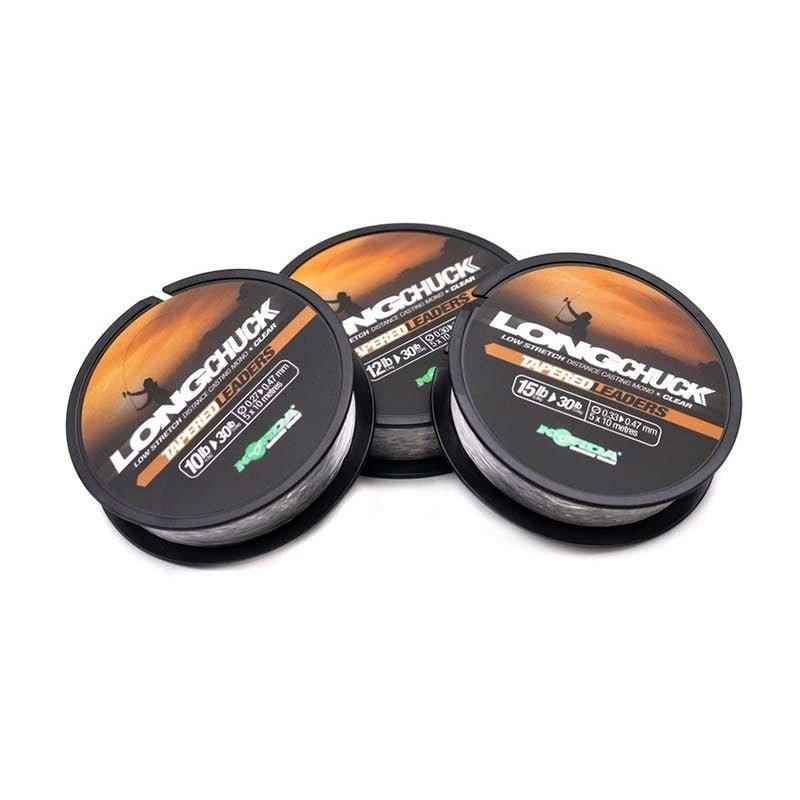
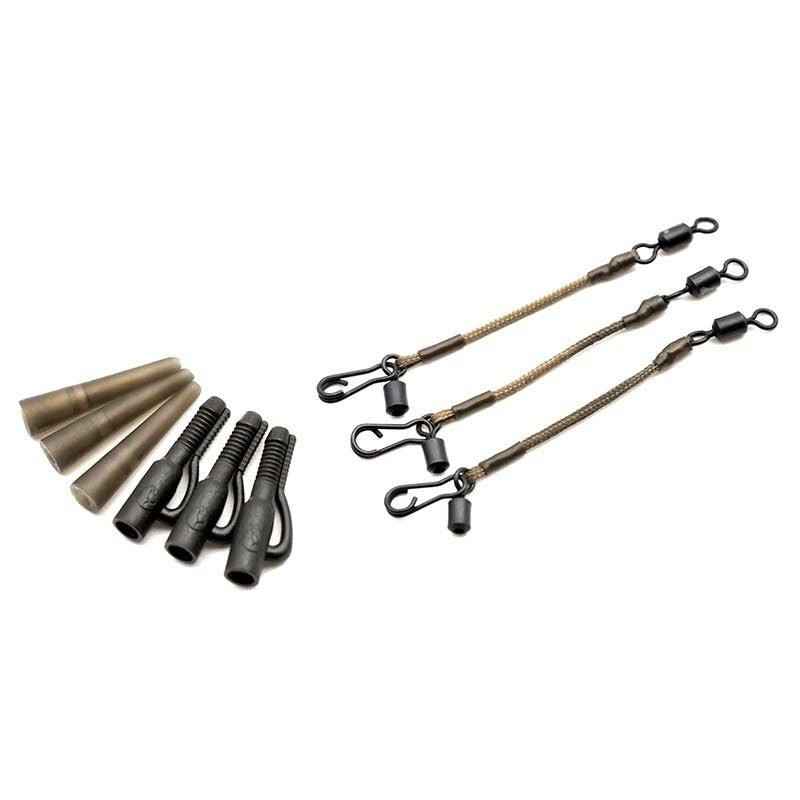
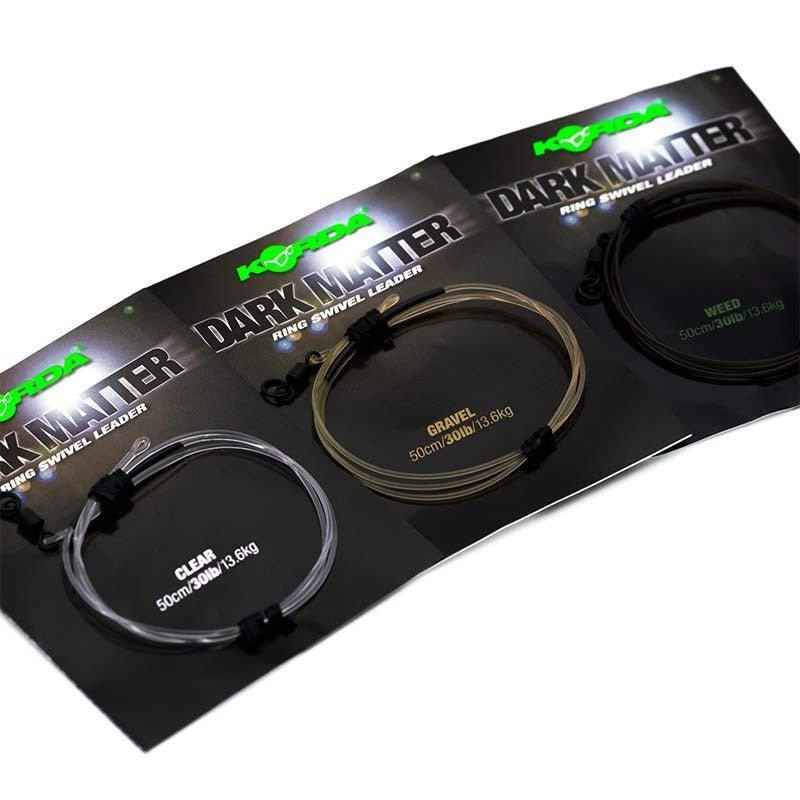
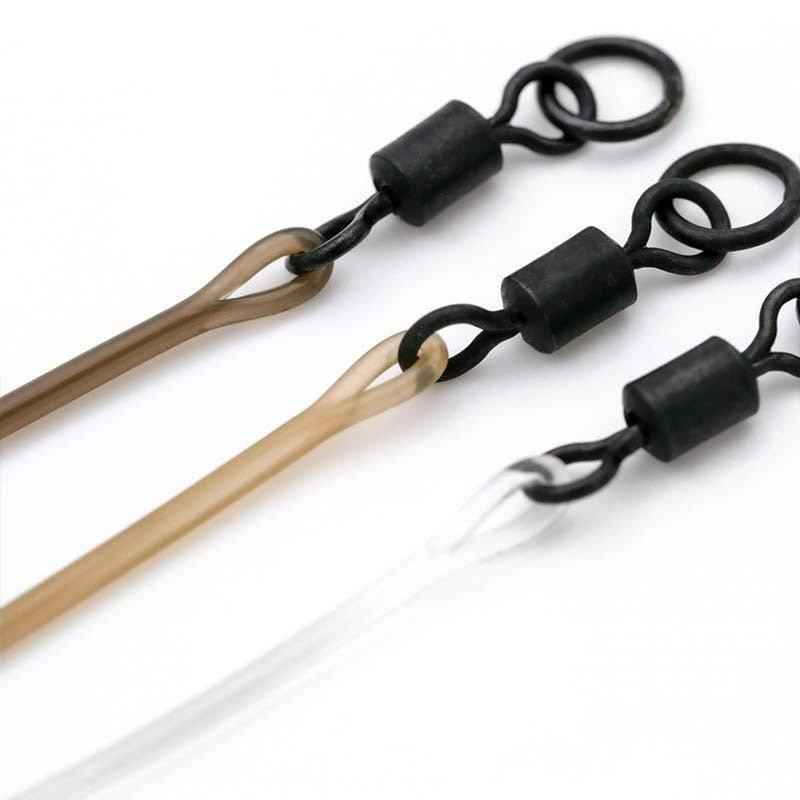
Golden rule: Never use braided line straight up to the swivel that attaches the leader. It's essential to always pair it with a shock leader (or snag leader ) made of monofilament or fluorocarbon with a generous diameter (0.50mm - 0.70mm) and at least 15-20 meters long (usually twice the length of the rod plus a couple of turns of the handle). This ensures abrasion resistance near the bottom and protection for the fish's flanks.

2. Management of the Via Ferrata and the Fight
Since braided line has no shock absorber, the energy of the strike is entirely discharged on the hook and the fish's mouth.
-
Strike: There's no need to forcefully strike. Simply lift the rod and tighten the line. A forceful strike could break the hook or snap the leader.
-
Equipment: It is recommended to combine the braided line with rods with a more parabolic action (soft, such as the 12' 3lb) and to calibrate the reel's drag with extreme precision, to compensate for the lack of elasticity of the line and avoid unhooking near the bank.
How to Choose the Right Braided Line
Not all braided lines are created equal. For carp fishing, you need to look for specific specifications:
-
Sinking: Many generic braided lines float. When carp fishing, it's essential to choose "sinking" or "fast sinking" models that lie perfectly on the bottom, following its contours. This will avoid arousing carp's suspicions and avoid false signals due to currents or debris.
-
Strand Count: Choose 8 -strand or higher braided lines. These offer a rounder cross-section, slide better through the guides, and absorb less water than 4-strand braids, which are flatter and noisier.
-
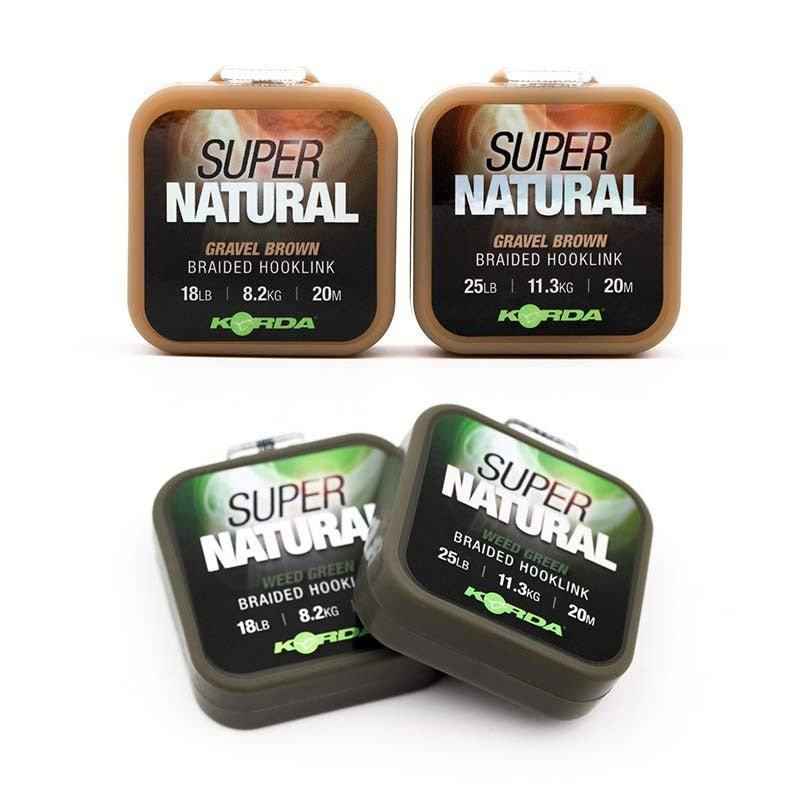
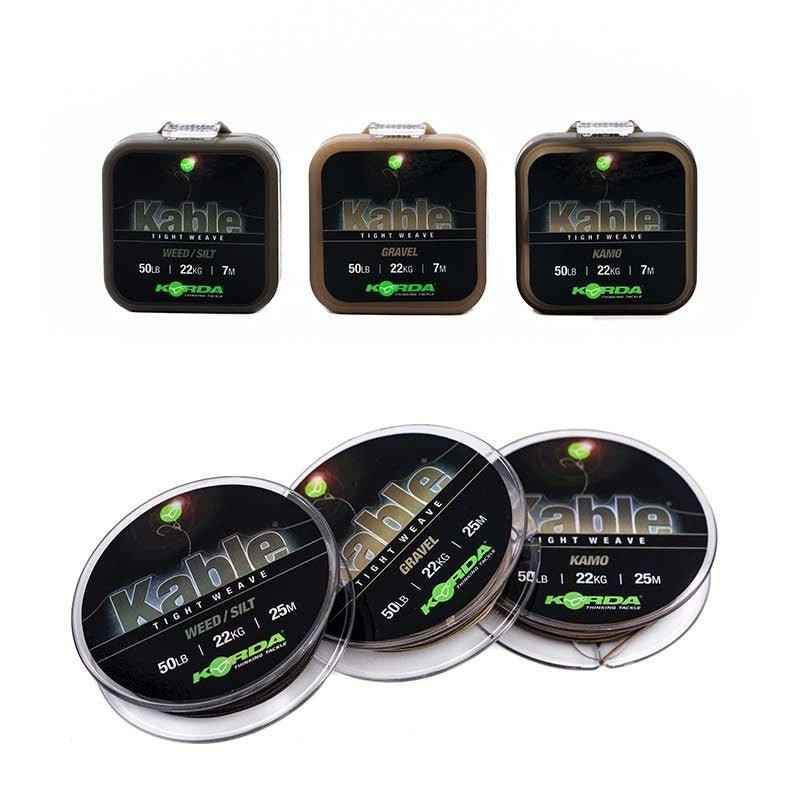
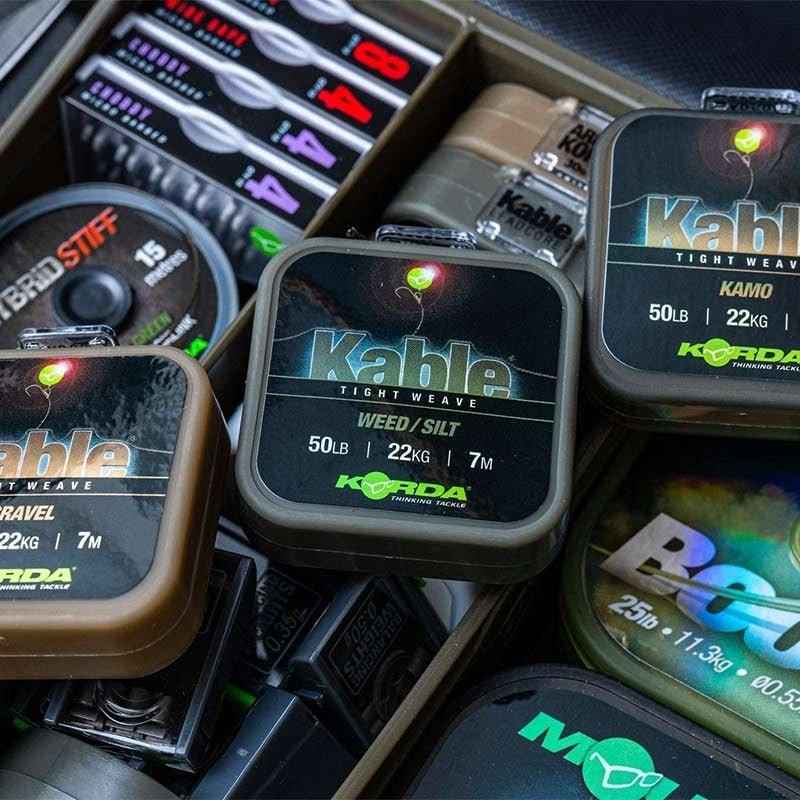
Color: Camouflage is crucial. Dark green (Weed Green), brown, or camo shades are preferable to blend in with the seabed. Fluorescent colors are only suitable for spodding or marker fishing .
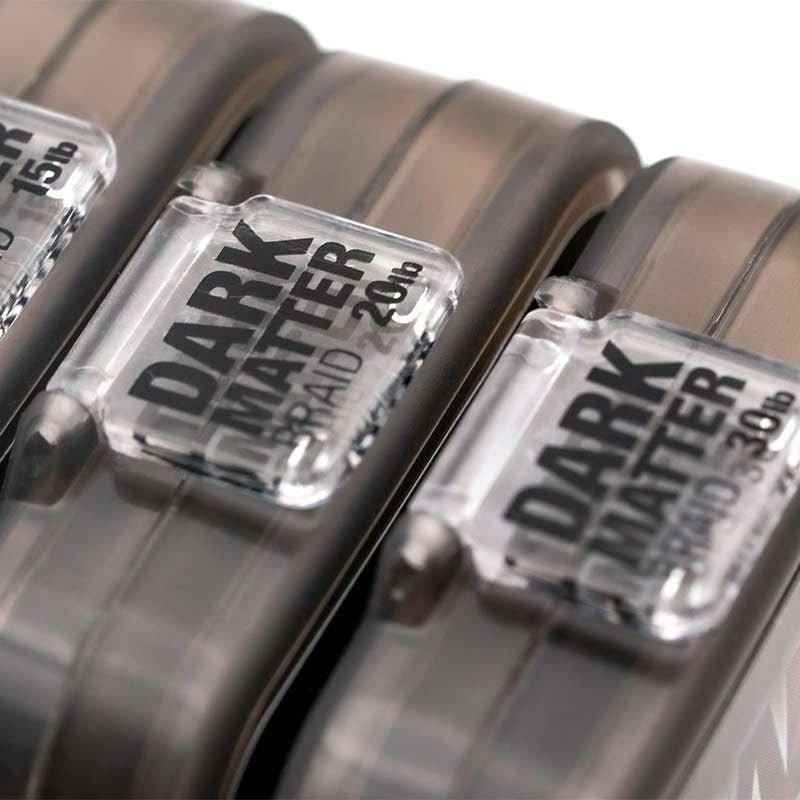
Worried about the technical specifications? Here's the good news: all the braided lines you find in our shop are specifically designed for carp fishing, capable of sinking quickly ( Submerge ). You can't go wrong ;)

Maintenance and Nodes
The difference between nylon and braided lines is also evident when tying the knot. I recommend not underestimating this aspect. A good knot should keep the breaking strain as close as possible to that declared by the braided line manufacturer. A poorly executed knot, or one not suitable for braided lines, will make the line too fragile for carp fishing. To ensure maximum performance, we recommend following these tips:
-
Knots: Braided line slips more than nylon. The Palomar knot is best for terminals and swivels. To connect to a Shock Leader, you'll need to master the Albright knot or Mahin knot.
-
Reversal: Braided line has no mechanical memory and ages slowly. Every 2 or 3 seasons, you can "reverse" the line on the spool (winding it backwards onto another spool) to use the fresh end that has never been exposed to water or sun.


Conclusion
Braided line is a formidable ally for the technical carp angler who wants to tackle long distances or vegetation-rich environments. Choosing the right product and pairing it with a suitable shock leader will make the difference between a missed catch and a memorable photo.
Explore our selection of braided lines by clicking here and choose the one best suited to your waters and your fishing technique.